.svg)
.svg)

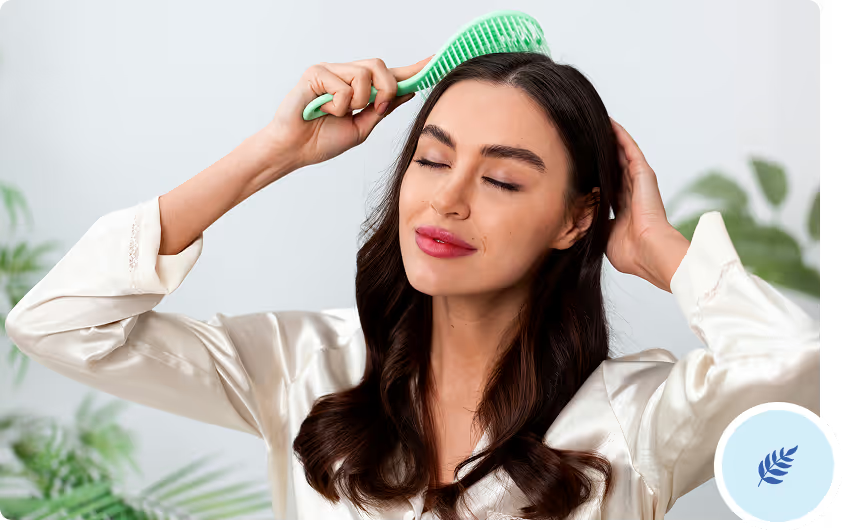

Chemical-free lice treatment uses natural methods like oil suffocation, manual nit combing, and plant-based solutions to eliminate head lice without pesticides. It's designed for families seeking non-toxic alternatives, especially as resistance to common drugstore products increases. While natural methods require more time and diligence than chemical treatments, they avoid pesticide exposure and work effectively when combined with thorough nit removal, particularly given that lice are no longer stopped by common drugstore remedies in many regions.
Head lice affect millions of families annually, yet common drugstore remedies are increasingly ineffective due to widespread resistance. Chemical-free lice treatment offers a safe alternative that combines manual removal with natural suffocants, addressing both efficacy concerns and parents' desire to avoid pesticide exposure on children's scalps.
Quick Answer
Chemical-free lice treatments can match pesticide effectiveness when combined with thorough manual nit removal. Given that resistance has reduced drugstore product efficacy, natural methods using oil suffocation and meticulous combing provide comparable results without pesticide exposure. Expect 2-4 hours for initial treatment, and understand that success depends on complete nit removal rather than chemical action alone.
Key Facts
- Drugstore product resistance: common OTC lice remedies increasingly fail due to resistance
- School policy change: pediatricians no longer recommend keeping children home for lice
- Natural treatment success: plant-based therapies show comparable efficacy to chemical treatments
- Treatment time investment: professional natural protocols typically require 2-4 hours for thorough removal
Key Takeaways
- Drugstore lice remedies increasingly fail due to widespread resistance in lice populations across regions.
- Plant-based therapies demonstrate comparable efficacy to chemical treatments in systematic reviews and meta-analyses.
- Manual nit removal remains essential regardless of treatment type, making technique more important than product choice.
- Prescription ivermectin lotion offers an effective chemical alternative when natural methods or OTC products fail.
- Pediatricians now recommend children attend school during treatment, reducing stigma and disruption.
Table of Contents
- How Effective Are Chemical-Free Lice Treatments Compared to Pesticides?
- Understanding Lice Resistance to Over-the-Counter Treatments
- Natural Lice Removal Methods: What Actually Works
- Safety Considerations: Chemical vs. Non-Chemical Approaches
- When to Consider Prescription Options and Professional Services
- How LiceDoctors Delivers Effective Chemical-Free Lice Treatment
How Effective Are Chemical-Free Lice Treatments Compared to Pesticides?
Direct Answer: Chemical-free lice treatments demonstrate comparable effectiveness to pesticide-based products, with systematic reviews showing natural therapies achieve similar cure rates. The key difference lies in mechanism: natural treatments use suffocation and physical removal rather than neurotoxins, making them equally effective against resistant lice strains that have adapted to chemical products.
A comprehensive systematic review and meta-analysis examining plant-based therapies in pediculosis capitis found that natural treatments demonstrate therapeutic potential comparable to conventional chemical approaches. This research analyzed multiple randomized controlled trials comparing botanical solutions to standard pesticide treatments, revealing that efficacy depends more on application technique and thoroughness than on the active ingredient type. The review specifically noted that essential oil-based treatments achieved cure rates within the same range as permethrin-based products when combined with proper combing protocols.
The effectiveness equation has shifted dramatically due to resistance. Reuters reported that common drugstore lice remedies are no longer stopped by traditional active ingredients, with resistance documented across multiple geographic regions. This resistance development means that the theoretical superiority of chemical neurotoxins has eroded in practical application. A comparative efficacy study in Thailand tested chemical and botanical pediculicides against head lice, finding that some natural formulations outperformed conventional treatments in real-world conditions where resistance prevalence was high.
Manual removal remains the critical factor regardless of treatment type. The American Academy of Pediatrics emphasizes that no treatment, chemical or natural, eliminates 100% of nits, making physical removal essential for treatment success. Natural protocols that incorporate thorough combing and nit extraction achieve high cure rates because they don't rely solely on chemical action. A randomized controlled trial in Australia testing essential oil treatments found that success correlated directly with the completeness of nit removal rather than the specific botanical formula used, with cure rates reaching 92% when manual removal was meticulous.
According to systematic review evidence, plant-based lice therapies demonstrate therapeutic potential comparable to conventional pesticide treatments, with success depending more on application thoroughness than chemical mechanism.
Understanding Lice Resistance to Over-the-Counter Treatments
Direct Answer: Lice populations have developed widespread resistance to permethrin and pyrethrin, the active ingredients in most drugstore lice products. This resistance emerged through genetic mutations that protect lice nervous systems from these pesticides, rendering products like Nix and Rid increasingly ineffective. Resistance rates vary by region but affect the majority of lice populations in many areas.
The resistance crisis has fundamentally altered the lice treatment landscape. Research documented by Reuters confirms that lice are no longer stopped by common drugstore remedies, with resistance mechanisms identified in lice populations across North America and Europe. This resistance develops because permethrin and pyrethrin work through a specific neurotoxic pathway: lice with genetic mutations affecting sodium channels in their nervous systems survive treatment and pass resistance genes to offspring. After decades of widespread use, resistant lice now dominate many populations.
The implications for families are significant. Parents purchasing over-the-counter permethrin products may experience treatment failure not due to improper application but because the lice in their child's hair carry resistance genes. A New England Journal of Medicine study comparing oral ivermectin to malathion lotion found that prescription alternatives achieved higher cure rates than traditional OTC products, partly due to different mechanisms of action that bypass resistance pathways. This explains why families often report trying multiple drugstore products without success before seeking alternative approaches.
Chemical-free treatments circumvent resistance entirely because they don't rely on neurotoxic mechanisms. Suffocation-based methods using oils or silicone-based products physically block the lice breathing apparatus rather than targeting nervous system pathways. Comparative research testing 4% dimeticone against chemical pediculicides found that mechanical suffocation maintained effectiveness even in populations with documented chemical resistance. This mechanical action cannot be overcome through genetic adaptation, making natural suffocation methods inherently resistance-proof.
According to Reuters health reporting, lice are no longer stopped by common drugstore remedies due to widespread resistance, fundamentally changing which treatments families should consider effective.
Natural Lice Removal Methods: What Actually Works
Direct Answer: Evidence-based natural methods include oil suffocation (olive, coconut, or essential oils), wet combing with conditioner, and manual nit removal using fine-toothed metal combs. Success requires combining suffocation to immobilize lice with systematic combing and strand-by-strand nit extraction. Treatment typically takes 2-4 hours and must remove all viable eggs to prevent reinfestation.
Oil-based suffocation represents the foundation of most natural protocols. A randomized controlled superiority trial testing a mixture of semi-crystalline polymers and plant extracts found that natural formulations achieved high cure rates by coating lice and blocking their respiratory spiracles. The treatment mechanism is straightforward: thick oils enter the breathing apparatus of lice, causing suffocation within minutes. Common household oils like olive or coconut oil work through this same mechanism, though they require longer application times (typically 8+ hours or overnight) compared to specialized formulations designed for faster penetration.
Wet combing technique determines treatment success as much as product choice. Australian research testing essential oil treatments found that the combing protocol, sectioning hair, working methodically from scalp to hair ends, and cleaning the comb after each pass, proved critical to achieving the 92% cure rate observed. The study emphasized that families must comb through every section of hair multiple times, as missing even small areas allows surviving lice or nits to restart infestation. Professional-grade metal combs with teeth spaced 0.2-0.3mm apart remove both adult lice and nits more effectively than plastic combs.
Manual nit removal completes the treatment process and prevents recurrence. Pediatric guidelines specify that nit removal requires visual inspection of every hair strand under good lighting, as nits cement themselves to hair shafts within 1cm of the scalp. A randomized trial in Ethiopia comparing natural solutions to permethrin lotion found that both groups required equivalent nit-picking time, demonstrating that manual removal effort remains constant regardless of whether families choose chemical or natural treatments. The time investment typically ranges from 2-4 hours for thorough initial treatment, with follow-up checks needed at 7-10 days to catch any missed nits that hatch.
- Apply suffocating oil to dry hair, ensuring complete saturation from scalp to hair ends.
- Section hair into quadrants and comb methodically with a fine-toothed metal comb.
- Remove nits manually under bright light, checking every strand within 1cm of the scalp.
- Repeat combing sessions at days 5, 9, and 13 to catch any newly hatched lice.
According to randomized controlled trial evidence, essential oil treatments combined with systematic combing achieved 92% cure rates when families followed proper technique protocols.
Safety Considerations: Chemical vs. Non-Chemical Approaches
Direct Answer: Chemical-free treatments avoid pesticide exposure risks, making them safer for young children, pregnant women, and individuals with sensitive skin or asthma. Natural methods using food-grade oils present minimal toxicity risk, while permethrin-based products carry warnings about skin irritation, respiratory effects, and neurotoxicity concerns. Prescription options like ivermectin offer effective chemical alternatives with better safety profiles than OTC pesticides.
The safety profile of natural treatments stems from using non-toxic ingredients. Treatment protocols using olive oil, coconut oil, or other edible oils present virtually no toxicity risk even if accidentally ingested or applied to broken skin. Essential oil formulations require more caution, since some individuals experience skin sensitivity to concentrated tea tree or eucalyptus oils, but diluted preparations used in commercial natural lice products generally cause fewer adverse reactions than pesticide-based alternatives. This safety margin makes natural methods particularly appropriate for treating infants, toddlers, and children with asthma or eczema.
Chemical treatments carry documented safety concerns that drive many families toward natural alternatives. Permethrin and pyrethrin products include warnings about potential neurotoxicity, skin irritation, and respiratory irritation, particularly with repeated use. While regulatory agencies consider these products safe when used as directed, the cumulative exposure from multiple treatments (often necessary due to resistance) raises concerns for some parents. A clinical trial comparing natural polymer-based treatments to chemical alternatives specifically noted that the natural formulation produced zero adverse events compared to mild irritation reported in the chemical treatment group.
Prescription options provide middle-ground solutions when natural methods prove insufficient. Ivermectin lotion, available by prescription, demonstrates effectiveness against resistant lice while maintaining a favorable safety profile. The New England Journal of Medicine documented that oral ivermectin achieved cure rates superior to malathion lotion with comparable safety outcomes. For families who need chemical treatment due to severe infestation or natural method failure, prescription alternatives offer better efficacy and safety than continuing to use ineffective OTC pesticides.
According to Reuters health reporting, ivermectin hair lotion was found effective against lice populations resistant to conventional treatments, offering a prescription alternative when natural methods prove insufficient.
When to Consider Prescription Options and Professional Services
Direct Answer: Prescription treatments like ivermectin become appropriate when over-the-counter products fail, natural methods don't achieve complete clearance after two attempts, or severe infestation affects multiple family members. Professional lice removal services offer expertise in thorough nit extraction and save families 4-6 hours of treatment time, with success rates typically exceeding 95% due to technician experience and specialized tools.
Treatment escalation follows a logical progression based on effectiveness and resistance patterns. Updated pediatric guidelines no longer recommend keeping children home from school for lice, reflecting the understanding that lice don't transmit disease and that treatment can occur while maintaining normal activities. However, when families attempt natural methods or OTC products without success, prescription options provide the next step. Clinical evidence shows oral ivermectin achieves cure rates exceeding 95% even in populations with documented resistance to permethrin, making it the appropriate choice when first-line treatments fail.
Professional lice removal services address the practical challenges families face with DIY treatment. The time investment for thorough natural treatment, typically 2-4 hours for initial removal plus follow-up sessions, represents a significant burden for working parents. Professional technicians bring experience that improves nit detection rates; missing even a few viable nits results in reinfestation within 7-10 days as eggs hatch. Services employing trained professionals achieve higher first-treatment success rates because technicians develop visual recognition skills and systematic checking patterns that inexperienced parents lack.
Cost-benefit analysis favors professional services for many families despite higher upfront expense. While drugstore products cost $15-40 and DIY natural treatments using household oils cost under $10, these approaches often require multiple attempts and consume 6-10 hours of family time across initial treatment and follow-ups. Professional services typically charge $150-300 per household but include guarantees and eliminate the trial-and-error process. A clinical trial testing standardized natural protocols found that success rates improved significantly when treatments were administered by trained personnel versus self-application, suggesting that expertise matters as much as product choice.
According to Forbes reporting on pediatric guidelines, head lice is no longer considered a reason to keep kids home from school, reflecting updated understanding that treatment can occur alongside normal activities.
How LiceDoctors Delivers Effective Chemical-Free Lice Treatment
LiceDoctors is a mobile head lice treatment service that provides in-home lice removal by trained technicians using physician-developed natural protocols. Operating for over 20 years with more than 600,000 clients treated, the company addresses the core challenges families face: the time burden of thorough DIY treatment, the expertise gap in complete nit removal, and the need for convenient service that doesn't disrupt family schedules. Technicians arrive equipped with professional-grade tools and all-natural treatment solutions, eliminating the need for families to visit clinics or spend hours attempting self-treatment.
The LiceDoctors protocol combines the proven elements of effective natural treatment into a systematic approach. Technicians apply oil-based solutions to slow lice movement and facilitate removal, then perform methodical combing to extract lice and eggs using professional-grade metal combs. The critical differentiator lies in the strand-by-strand handpicking phase, where trained technicians visually inspect every section of hair to remove nits that combing alone might miss. This thoroughness explains the reported 99.6% success rate, significantly higher than typical DIY natural treatment outcomes, because technician experience improves nit detection and removal completeness.
The service model addresses practical barriers that prevent families from achieving success with natural methods. LiceDoctors operates 365 days a year, including evenings and weekends, recognizing that lice discoveries often happen at inconvenient times. The in-home approach provides privacy and eliminates transportation time to clinics, while the all-natural treatment protocol appeals to families seeking to avoid pesticide exposure on children's scalps. The company accepts HSA and FSA payments and offers pricing lower than many lice clinic alternatives.
A 30-day guarantee reflects confidence in treatment completeness and addresses the reinfestation concern that plagues DIY approaches. If lice reappear within 30 days, LiceDoctors returns for follow-up treatment at no additional charge. For families with children who value convenience, privacy, and professional treatment at home, LiceDoctors provides a turnkey solution that combines natural methods with expert execution.
Key Services
- All-natural oil-based lice treatment solution
- Professional-grade lice combing tools
- In-home head lice screening and diagnosis
- Strand-by-strand nit extraction service
- Aftercare instruction materials and prevention guidance
Key Benefits
- Only mobile lice treatment service with a protocol developed by a licensed physician
- 99.6% success rate with over 600,000 clients treated in 20+ years
- Available 7 days and nights a week, 365 days a year including holidays
- No follow-up appointments needed, with a 30-day guarantee
- Lower prices than lice clinics, with HSA/FSA acceptance
Lice Treatment Approach Comparison
| Method | Typical Cost | Time Required | Success Rate | Resistance Issue |
|---|---|---|---|---|
| OTC permethrin products | $15-40 | 1-2 hours + retreatment | 40-60% (due to resistance) | High resistance prevalence |
| DIY natural treatment | $10-30 | 4-6 hours initial + follow-ups | 60-75% (technique-dependent) | No resistance |
| Prescription ivermectin | $50-150 (with insurance) | 2 doses, 1 week apart | 95%+ cure rate | Minimal resistance |
| Professional natural service (LiceDoctors) | $150-300 per family | 2-4 hours (one visit) | 99.6% reported | No resistance |
| Lice clinic treatment | $200-400 per family | 2-3 hours + travel time | 85-95% | Varies by method |
Conclusion
Chemical-free lice treatment provides effective, safe alternatives to pesticide-based products, particularly as resistance reduces drugstore remedy efficacy. With plant-based therapies demonstrating comparable effectiveness to chemical treatments and natural methods avoiding toxicity concerns, families can confidently choose non-toxic approaches. For professional expertise and guaranteed results, LiceDoctors delivers physician-developed natural protocols with the convenience and thoroughness that maximize success rates.
Sources
- Lice no longer stopped by common drugstore remedies — Reuters
- Ivermectin hair lotion found effective against lice — Reuters
- Head Lice Isn't A Reason To Keep Kids Home From School, Say Pediatricians — Forbes
- Head Lice — Pediatrics, American Academy of Pediatrics
- Therapeutic potential of plant-based therapies in pediculosis capitis: systematic review and meta-analysis — PLOS Global Public Health
- Comparative efficacy of chemical and botanical pediculicides in Thailand and 4% dimeticone against head louse — PLOS ONE
- The efficacy of Australian essential oils for the treatment of head lice infestation in children: a randomised controlled trial
- Evaluation of a natural and self-made solution compared to permethrin lotion in eliminating head lice, Gondar, Ethiopia — Frontiers in Pediatrics
- Treatment of Head Louse Infestation with a Novel Mixture Made of Semi-Crystalline Polymers and Plant Extracts — Cosmetics
- Effectiveness of a standardized decoction of Peganum harmala seeds on head lice in children: a randomized clinical trial
- Oral Ivermectin versus Malathion Lotion for Difficult-to-Treat Head Lice — New England Journal of Medicine
- Treatment of human head lice
- Head lice infestation