.svg)
.svg)

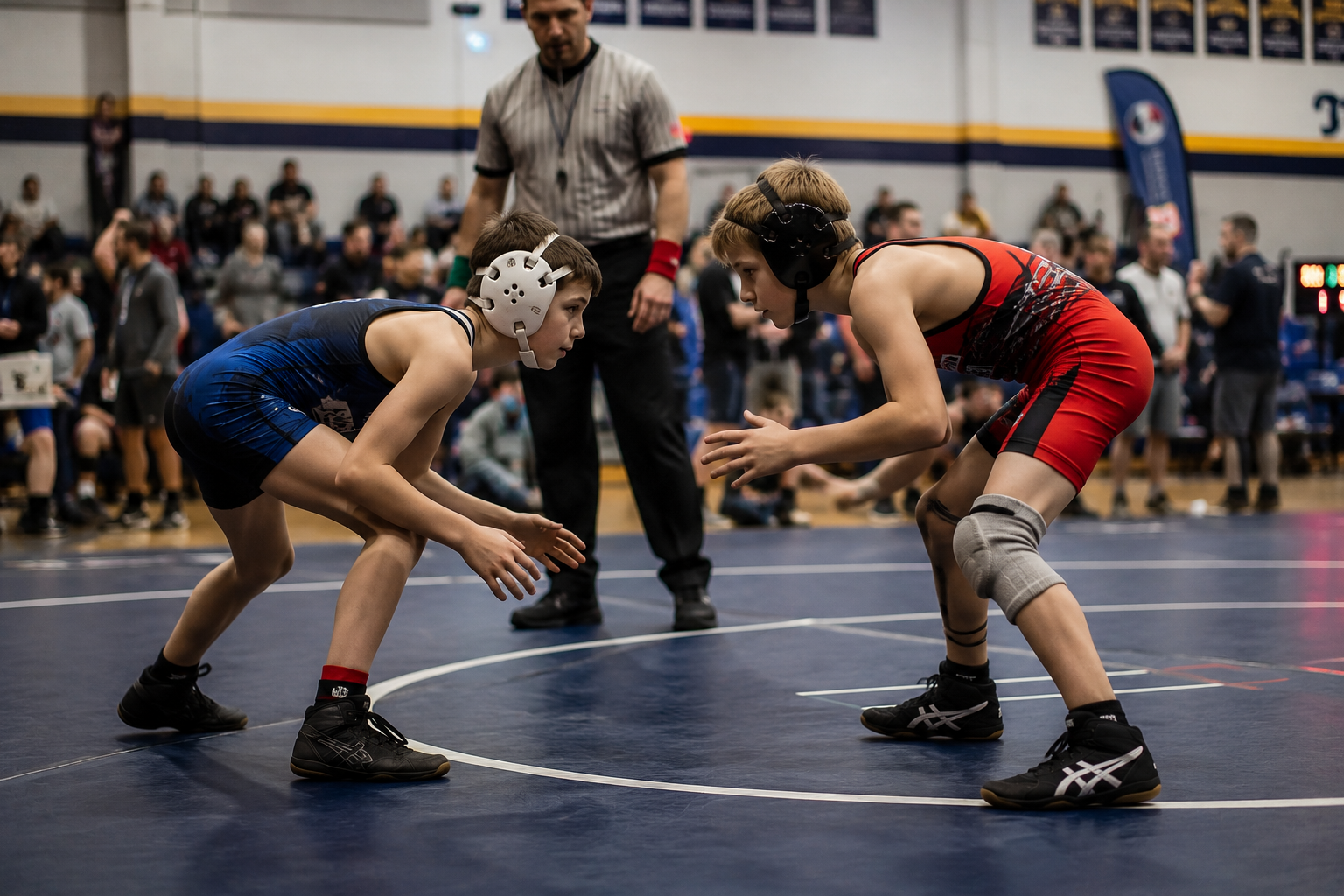

Most conversations about lice and sports go straight to helmets and shared gear. That's worth knowing about, but it's not the full picture. The bigger risk for a lot of young athletes isn't what they're wearing. It's the sport itself.
Wrestling, gymnastics, jiu-jitsu, football, and cheerleading all involve repeated, prolonged head-to-head contact during normal play. Not accidental bumping. Actual extended contact that's just part of how the sport works. That creates a different kind of exposure than sharing a batting helmet for a few innings.
Why Contact Sports Are a Higher-Risk Category
According to the CDC, direct head-to-head contact is the main way lice spread from one person to another. They crawl, they don't jump or fly, so they need that physical connection to move between hosts.
In sports like wrestling and jiu-jitsu, that kind of contact happens for sustained periods, multiple times per session. A single practice might involve several rounds of close grappling where two kids' heads are in direct contact. Gymnastics involves spotting, partner work, and tumbling that routinely puts heads close together. Football involves huddles, pile-ons, and tackling where hair-to-hair contact is common. Cheerleading involves stunts and close formations where the same thing happens.
This is different from the shared-gear scenario, where a louse would need to crawl off a head, survive on a surface, and crawl onto the next person. Lice prefer to stay on a warm human head and don't last more than a day or two off one. Direct contact is a much more reliable route for them, which is why contact sports carry a meaningfully higher risk than sports where kids mostly stand apart.
Sports Where Parents Should Be Most Alert
Some sports carry more exposure than others. Roughly in order of contact intensity:
Wrestling and grappling arts (jiu-jitsu, judo): The highest-contact category. Kids are in prolonged, face-to-face, head-to-head contact throughout every match and most drills. If one child on the team has an undetected case, a practice session creates real exposure for multiple teammates.
Football: Huddles, tackles, and pile-ons happen continuously. Linemen in particular are in sustained head contact during every play. Hair is often long enough to make contact likely even through a helmet.
Gymnastics and cheer: Spotting, partner balancing, and stunt work regularly puts two athletes' heads in close proximity. Groups working on tumbling passes together often end up very close.
Basketball and soccer: Lower on the list but not zero risk. Both involve physical play, contact in the paint or at the goal, and huddles. The contact is less sustained than in wrestling but still present.
What Makes This Harder to Catch
Most parents know to look for lice after a school outbreak notice comes home. Sports teams don't usually have that kind of communication structure. If a child on your kid's wrestling team gets lice, there's no formal notification system the way there might be in a classroom.
The CDC also notes that itching can take four to six weeks to develop during a first infestation because it's an allergic reaction that builds over time. A child can have lice for weeks without obvious symptoms, which means exposure through a sports team can go undetected longer than a typical school case.
Practical Steps for Sports Parents
The goal isn't to pull your kid out of the sport. It's to build a few habits that lower risk without making sports participation more stressful.
Do a weekly check during active seasons. A quick comb-through under good lighting once a week takes a few minutes. Look close to the scalp at the nape of the neck and behind the ears. Nits are easier to spot than live bugs and look like small white or yellowish dots attached tightly to the hair shaft.
Keep long hair up during practice and games. Braids, buns, or a tight ponytail reduce how much hair surface is exposed during contact. It's a small change that lowers the area available for lice to crawl onto.
Have your own comb, brush, and hair accessories at every practice. Sharing these, even briefly, is a straightforward way for lice to move between teammates. Label everything.
Tell the coach if your child is diagnosed. This is uncomfortable, but it's the responsible move. A discreet heads-up to the coach allows other parents to check their kids, which is the fastest way to stop a team case from cycling through the whole roster.
If Your Child Gets Lice During a Sports Season
The good news: a lice diagnosis doesn't automatically mean sitting out. Treatment followed by proper clearance is what matters.
Skip the drugstore kits if you can. Many common lice strains are now resistant to the pesticide-based ingredients in OTC shampoos, which means a failed treatment just delays resolution and increases the chance of spreading to teammates.
A professional in-home visit from LiceDoctors clears a case in a single appointment, with a trained technician doing a thorough strand-by-strand nit check. The treatment is chemical-free, using oil to immobilize lice and loosen nits, followed by systematic combing. It comes with a 30-day guarantee, so if anything is missed, it's handled at no extra charge. LiceDoctors is available 7 days a week, evening hours included, so scheduling around a practice or game schedule is manageable.