
.svg)
.svg)

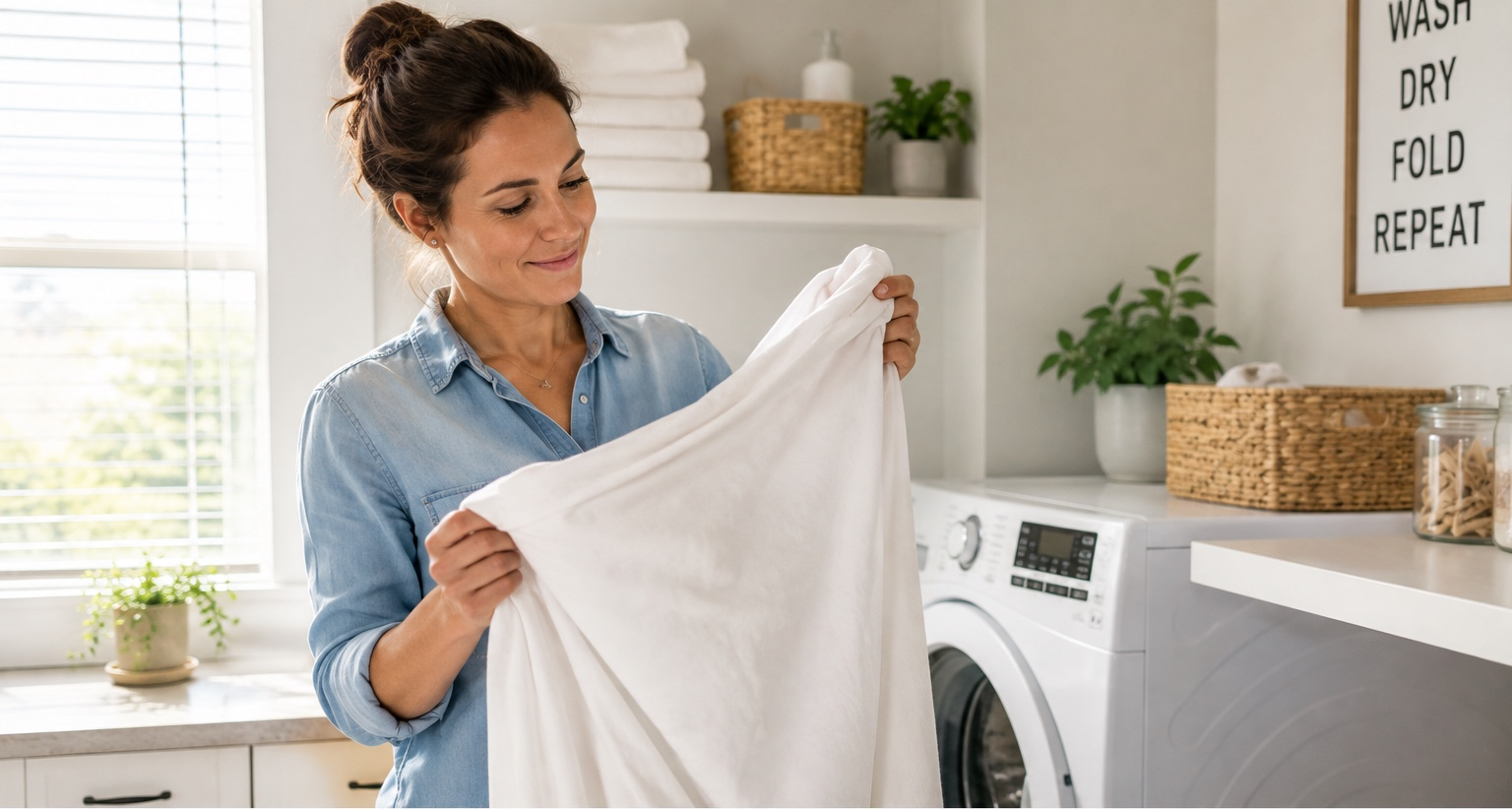

After a lice treatment, there's a very specific spiral most families go through. Every blanket comes off the bed. Stuffed animals go into trash bags. Someone is vacuuming the couch at midnight. The washing machine runs for three days straight.
It's exhausting, and most of it isn't necessary.
The CDC is straightforward about this: lice don't survive long once they fall off a person and can't feed. You don't need to spend a lot of time or money on housecleaning. Their guidance is targeted and specific — not a whole-house overhaul.
Here's what you can skip, what you should actually do, and why the comb-through the next morning matters more than any of the laundry.
What You Can Skip Entirely
Throwing out pillows, stuffed animals, or bedding. Lice die within 24 to 48 hours off a human scalp. A stuffed animal that hasn't been near your child's head recently is not harboring a lice population. Seal anything you're worried about in a plastic bag for two weeks and leave it alone. You'll find nothing wrong with it.
Fumigating or spraying the house. Lice sprays and household foggers for lice are not recommended by the CDC and do nothing useful. Lice aren't hiding in your walls or carpet fibers waiting to jump onto someone's head. They need a warm human scalp to survive and can't live long on surfaces.
Vacuuming every room. A quick vacuum of the furniture where the affected person sat or lay is plenty. Carpet does not need treating. Hard floors don't need anything. Lice can't crawl far once they fall off a head, and they can't survive the conditions on a carpet or floor.
Deep-cleaning the car. Same logic applies. If your child's head was on the headrest recently, a wipe-down is fine. Pulling out the seats is not.
Washing every piece of clothing in the house. The CDC's guidance is specific: wash items the affected person wore or used in the two days before treatment. Two days. Not two weeks of laundry. Clothes that were in a drawer, not on a body, don't need touching.
What Actually Needs to Be Done
Wash recently used bedding and worn clothing on high heat. Pillowcases, sheets, recently worn clothes, hats, scarves, and towels used in the 48 hours before treatment. Hot water at 130°F or higher, high heat dryer cycle. That's it.
Soak combs and brushes. Drop them in hot water (130°F) for 5 to 10 minutes, or run them through a dishwasher cycle. Do this for every brush and comb in the house, and keep them separate per person going forward.
Bag what you can't wash. Items that can't go through the wash — certain soft toys, headphones, hats that need dry cleaning — can go in a sealed plastic bag. Two weeks is enough. Lice are long dead before that.
Do the follow-up comb-through. This is the step that actually matters and the one most families skip because they're worn out from the laundry marathon. A comb-through every day or two for the first week after treatment, using a fine-tooth metal comb on damp, conditioned hair, is what catches any nits that hatched after treatment before they become a new case.
The LiceDoctors Terminator Comb is the same professional-grade comb technicians use during every in-home visit. At $20, it's the most useful thing you can own during the post-treatment period. The plastic combs in drugstore kits let nits slip through.
Why People Over-Clean
Lice have a reputation that doesn't match their biology. Most of what people know about lice comes from the same place as most childhood health anxiety: other panicked parents, outdated school policies, and the general sense that something this itchy and embarrassing must require an extreme response.
The reality is that lice are a head problem, not a house problem. The infestation lives on scalps. That's where the treatment goes, that's where the nit check happens, and that's where the follow-up work needs to focus.
Your LiceDoctors technician goes through the aftercare instructions before leaving the house. The list is short on purpose.
The One Thing Worth Losing Sleep Over
If you're going to do anything thoroughly, do the comb-through.
Nits that survive treatment or hatch after it will mature into egg-laying adults in about 9 to 12 days. Catching them during a comb-through in that window closes the case. Missing them means starting over.
Use the LiceDoctors Sulfate-Free Conditioner on damp hair before combing. It gives the Terminator Comb more slip through the hair and makes nits easier to spot on the comb tines. Work in sections, start at the nape of the neck, wipe the comb on a white paper towel after each pass.
That's the aftercare routine. Everything else on the list is supplementary.
If you're not confident the original treatment got everything, or if you're seeing live lice again, LiceDoctors offers follow-up visits and is available 7 days a week. The 30-day guarantee covers return visits if live lice are found after following the aftercare protocol.


