.svg)
.svg)



Sharing scarves and jackets is a normal part of childhood. Kids love borrowing a friend’s cozy jacket or swapping scarves at school or playdates. But these favorite items can also be a way for head lice to spread.
The good news is that you can keep your children lice-free even when they share outerwear. With a few simple habits and some practical tips, you can prevent lice from making their way onto your child’s head, without turning everyday sharing into a source of worry.
Understanding Lice and How They Spread
Before we talk about prevention, it’s helpful to know how lice move and how they can show up on shared clothing.
Head lice are tiny insects that live on the scalp and feed on blood. They are very contagious but not dangerous, and they don’t carry diseases. The most common way kids get lice is through direct head-to-head contact, which is why school-aged children are especially at risk.
Lice can also spread through items that touch the head or hair. This includes:
- Scarves
- Hats
- Jackets
- Hairbrushes
- Headphones
While lice don’t survive long off the scalp, usually only 24 to 48 hours, they can briefly cling to shared scarves or jackets, making these items a potential source of transmission.
Remember, lice don’t jump or fly. They crawl, so keeping scarves, jackets, and hats separate, and encouraging kids to use their own items, can greatly reduce the chance of lice spreading.
Why Scarves and Jackets Are Risky
Imagine a typical winter day at school. Kids are bundled up in cozy scarves and warm jackets, moving between classrooms, playgrounds, and lunch lines. In this busy environment, personal items often come into close contact, jackets hang on the same hooks, scarves brush against one another, and hoods occasionally overlap. While these moments seem harmless, they create opportunities for lice to spread.
Here’s how lice can transfer through shared clothing:
1. Hair-to-hair contact through clothing
Even if children aren’t directly touching heads, lice can crawl from a scarf or jacket onto a child’s hair. For example, if a scarf drapes over another child’s hair while sitting at a table or sharing a coat hook, lice may move from the fabric to the scalp. It doesn’t happen instantly, but every extra contact increases the chance of transmission.
2. Warmth and texture of fabrics
Lice thrive in warm, protected environments. Soft scarves and the insulated lining of jackets can temporarily provide the right conditions for lice to survive off the scalp. While they won’t live long away from hair, these cozy fabrics give them a brief opportunity to latch onto a new host.
3. Duration and frequency of contact
The longer a shared item touches hair, the higher the risk, even if it’s less risky than direct head-to-head contact. A quick peek at a jacket or brushing a scarf aside is generally low-risk, but repeated contact over a morning or day can make transmission more likely.
4. Shared storage and mixing
Hooks, cubbies, or coat racks that hold multiple children’s jackets and scarves can lead to accidental overlap. A scarf dangling over another child’s jacket hood, or jackets pressed together in a crowded coatroom, creates more surfaces for lice to crawl between.
The good news is that this risk is entirely manageable. By understanding exactly how scarves and jackets can contribute to lice spread, parents can take small, practical steps to protect children without limiting sharing or social interaction. Simple routines like labeling hooks, keeping scarves and jackets separate, and encouraging hair to be tied back make a big difference, and help kids enjoy their winter clothing worry-free.
Practical Tips for Preventing Lice Through Shared Clothing

Here are evidence-based, parent-friendly tips to reduce lice risk without making children paranoid about sharing.
1. Assign Personal Hooks and Spaces
One of the simplest solutions is separating each child’s outerwear. Label hooks, lockers, or cubbies with their name.
- Use color-coded scarves or jacket tags.
- Teach kids to hang their own items and avoid touching others’.
This creates a clear boundary while keeping things friendly.
2. Encourage Quick Coat Exchanges
If children do need to share or borrow a scarf or jacket, make it short and supervised.
- Avoid letting items rest on heads for long periods.
- Remind kids to fold scarves instead of draping them over hair when sharing.
Quick exchanges reduce the time lice could transfer.
3. Wash and Rotate Outerwear Regularly
Lice survives off the scalp for only a short time, but washing clothes in hot water is an effective precaution.
- Wash scarves and jackets at 130°F (54°C) or higher.
- If washing isn’t possible immediately, seal items in a plastic bag for 48 hours to ensure lice die naturally.
Consider keeping a rotation system so freshly cleaned items are always available.
4. Keep Hair Tied Back
The longer the hair, the more surface area lice have to cling to clothing. Simple hairstyles can make a big difference:
- Ponytails
- Braids
- Buns
Tightly secured hair reduces accidental contact with scarves and jacket hoods.
5. Educate Without Scaring
Kids respond well when rules make sense rather than when they feel punished. Explain lice prevention in a friendly, matter-of-fact way:
- “Lice like warm hair, so let’s keep scarves on hooks when we’re not wearing them.”
- “We all love sharing, but hats and scarves are better kept to ourselves for now.”
Positive messaging prevents anxiety and encourages compliance.
6. Keep an Eye on School Policy
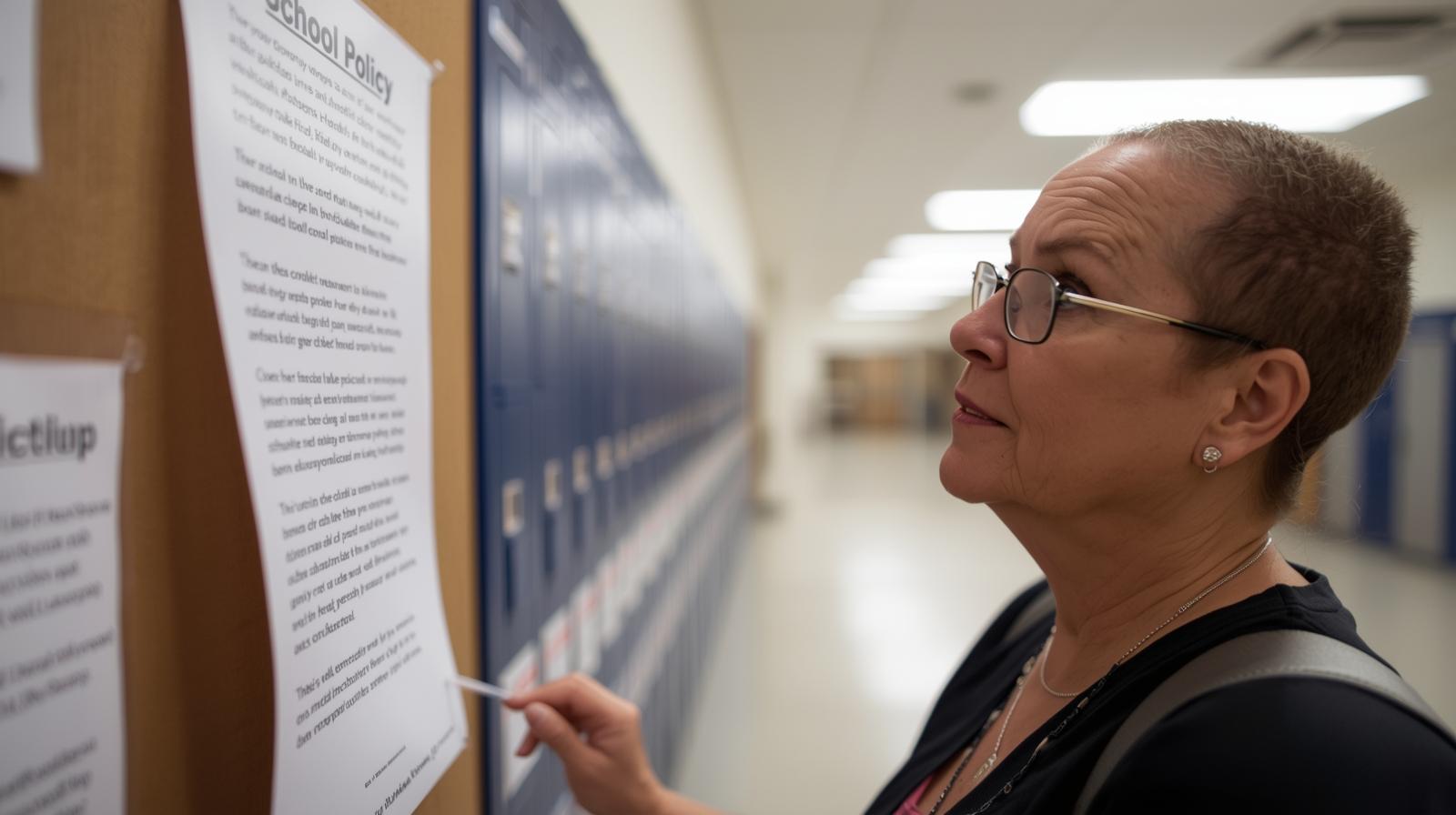
Many schools have clear policies regarding head lice outbreaks, and staying informed helps parents respond effectively. Knowing the rules allows you to:
- Act quickly if a case arises at school.
- Reinforce preventive measures at home without overreacting.
- Provide your child with their own labeled outerwear to avoid accidental sharing.
For extra peace of mind, consider scheduling school lice screenings with LiceDoctors. These professional screenings can help catch lice early, reduce the risk of classroom outbreaks, and give parents confidence that preventive measures are working.
Signs Your Child May Have Lice
Despite best efforts, sometimes lice slip through. Early detection makes treatment faster and easier. Watch for:
- Persistent itching, especially behind ears or at the nape of the neck.
- Small white eggs (nits) glued to hair shafts.
- Red bumps or irritation on the scalp.
If you notice these signs, act quickly. Products, professional treatment, and careful combing can eliminate lice without stress.
When to Consider Professional Help
If lice keep recurring or your child has long, thick hair that makes home treatment difficult, professional services like LiceDoctors can help.
A licensed expert will:
- Conduct a thorough head check.
- Apply safe, effective treatments.
- Teach parents how to prevent future outbreaks.
Professional intervention gives peace of mind and prevents frustration.
Extra Preventive Measures
Some parents take additional steps to reduce lice spread through clothing:
- Lice-repellent sprays for jackets and scarves: These products are typically safe and can provide an extra layer of protection.
- Storage bags for shared activities: Gym class or sports gear can stay in separate, sealed bags.
- Routine scalp checks: Even if your child isn’t itchy, combing hair weekly with a fine-toothed lice comb is highly effective.
These practices complement the habits above, creating a multi-layered approach to prevention.
Myth-Busting: Lice and Shared Clothing
There’s a lot of misinformation about lice. Clearing it up can help parents act calmly:
- Myth: Lice jump or fly from one person to another.
Truth: Lice crawl—they need close contact to move. - Myth: Lice prefers dirty hair.
Truth: Lice are attracted to any scalp and clean hair is not protective. - Myth: Lice can survive for weeks on clothing.
Truth: Lice usually dies within 1–2 days off the scalp.
Understanding these facts reduces panic and encourages practical prevention.
Building a Lice-Safe Routine
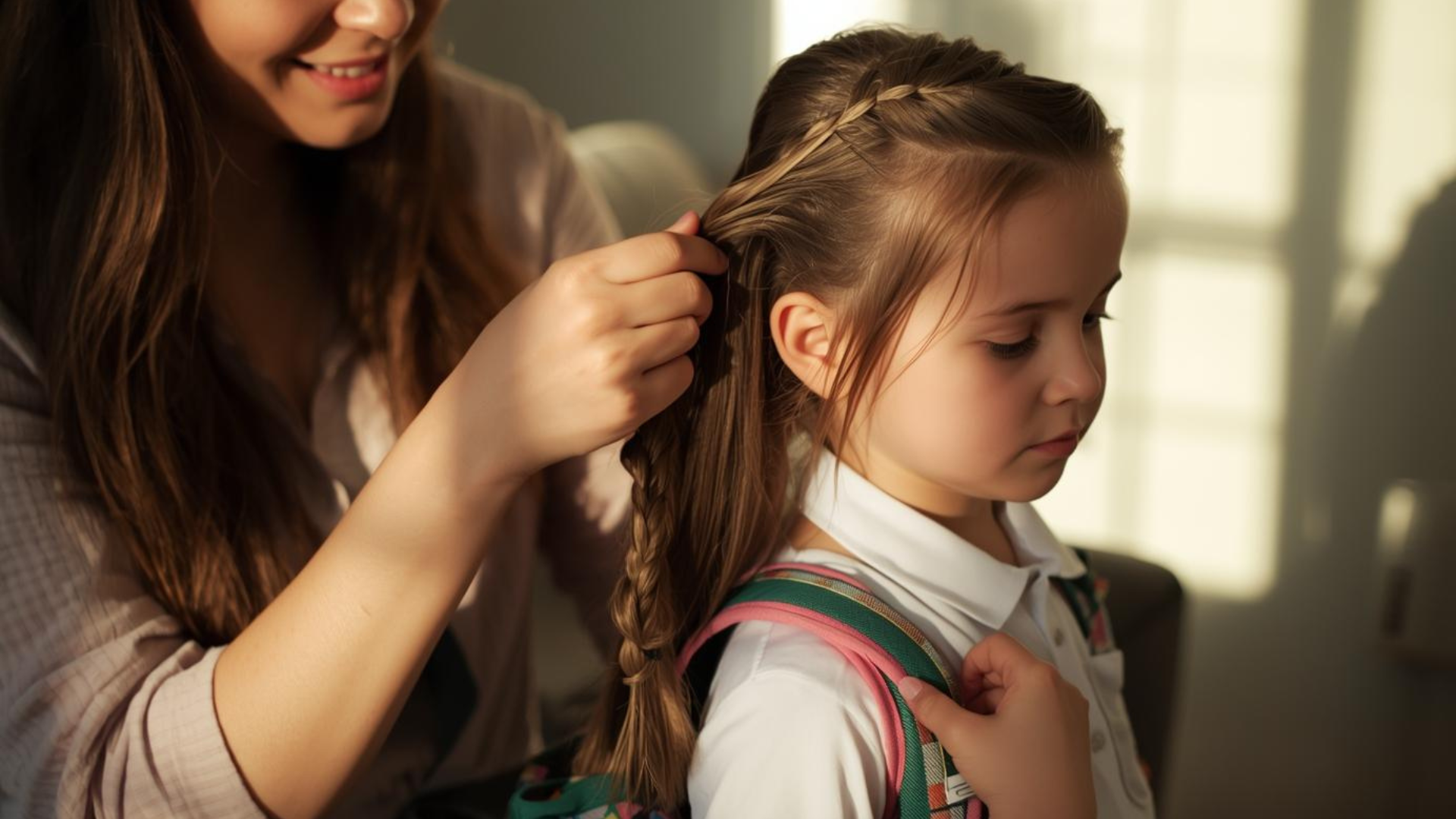
A little planning each day can make a big difference in keeping lice away, especially when scarves, jackets, and other shared clothing are involved. Establishing a consistent routine helps children understand healthy habits and keeps parents confident that they’re minimizing risks. Here’s a practical, easy-to-follow routine for families:
Morning: Start the Day Lice-Free
- Tie hair back: For children with long hair, simple ponytails, braids, or buns reduce the chance that lice will cling to scarves or jacket hoods.
- Use personal scarves and jackets: Encourage each child to grab only their own items. Label hooks, lockers, or coat tags so it’s easy to identify personal belongings.
- Check for accidental contact: A quick glance ensures scarves or jackets haven’t brushed against other kids’ clothing or hats while getting ready.
During the Day: Minimize Shared Clothing Risks
- Avoid swapping scarves and jackets whenever possible. If a child needs to borrow an item, make the exchange brief and keep it off the head when not in use.
- Keep belongings separate at school: Hang coats and scarves on personal hooks or cubbies. A clear, consistent system prevents accidental sharing.
- Use storage bags for sports or after-school activities: Keeping gear in individual bags reduces contact with other children’s items.
After School: Immediate Care
- Hang coats and scarves properly: Teach kids to fold scarves neatly or hang jackets on their own hooks instead of letting them brush against other items.
- Inspect hair quickly: A brief comb-through with a fine-toothed lice comb helps catch any stray lice before bedtime. Early detection is key.
Weekly: Deep Clean and Prevention
- Wash scarves and jackets in hot water: Aim for at least 130°F (54°C) to kill any lice that may have transferred to clothing.
- Rotate outerwear: If your child has multiple scarves or jackets, alternate them to ensure there’s always a freshly cleaned option ready to wear.
Monthly: Routine Head Checks
- Even if your child hasn’t shown signs of lice, a monthly head check can prevent a small problem from growing.
- Use a fine-toothed lice comb on dry or wet hair, focusing on behind the ears and the nape of the neck, which are common areas for nits.
Extra Tips for Consistency and Peace of Mind
- Make the routine fun and manageable: Turn hair tying or jacket hanging into a game or challenge.
- Reinforce positive habits with encouragement rather than scolding.
- Keep a small “lice kit” ready with combs and instructions for quick action if a case appears.
Key Takeaway: Consistency is far more effective than extreme measures. By following a simple daily, weekly, and monthly routine, families can enjoy winter gear, school activities, and playdates with confidence, knowing they’re actively preventing lice without creating unnecessary stress for kids.
Final Thoughts
Keeping kids safe from lice doesn’t have to mean fear or overreaction. While lice spread mainly through head-to-head contact, shared scarves and jackets can sometimes play a role. The good news is that simple, consistent habits make a big difference.
Encouraging kids to hang their own coats, wash outerwear regularly, tie back long hair, and understand lice in a friendly, matter-of-fact way helps prevent problems before they start. Early detection and, if needed, professional treatment give parents peace of mind and stop lice from spreading.
Even with the best prevention, sometimes lice appear. That’s where LiceDoctors can help. They offer:
- Same-day, in-home appointments, so treatment fits your schedule.
- Gentle, chemical-free methods safe for children.
- Personalized guidance to help keep lice away in the future.
Professional care can turn a stressful situation into a manageable one and often stops the cycle faster than DIY methods alone. By combining awareness, practical routines, and expert guidance, families can enjoy school days, playdates, and winter fun, without the stress of lice. With a few thoughtful steps and the support of trained specialists, protecting your child becomes straightforward, manageable, and even empowering.