.svg)
.svg)

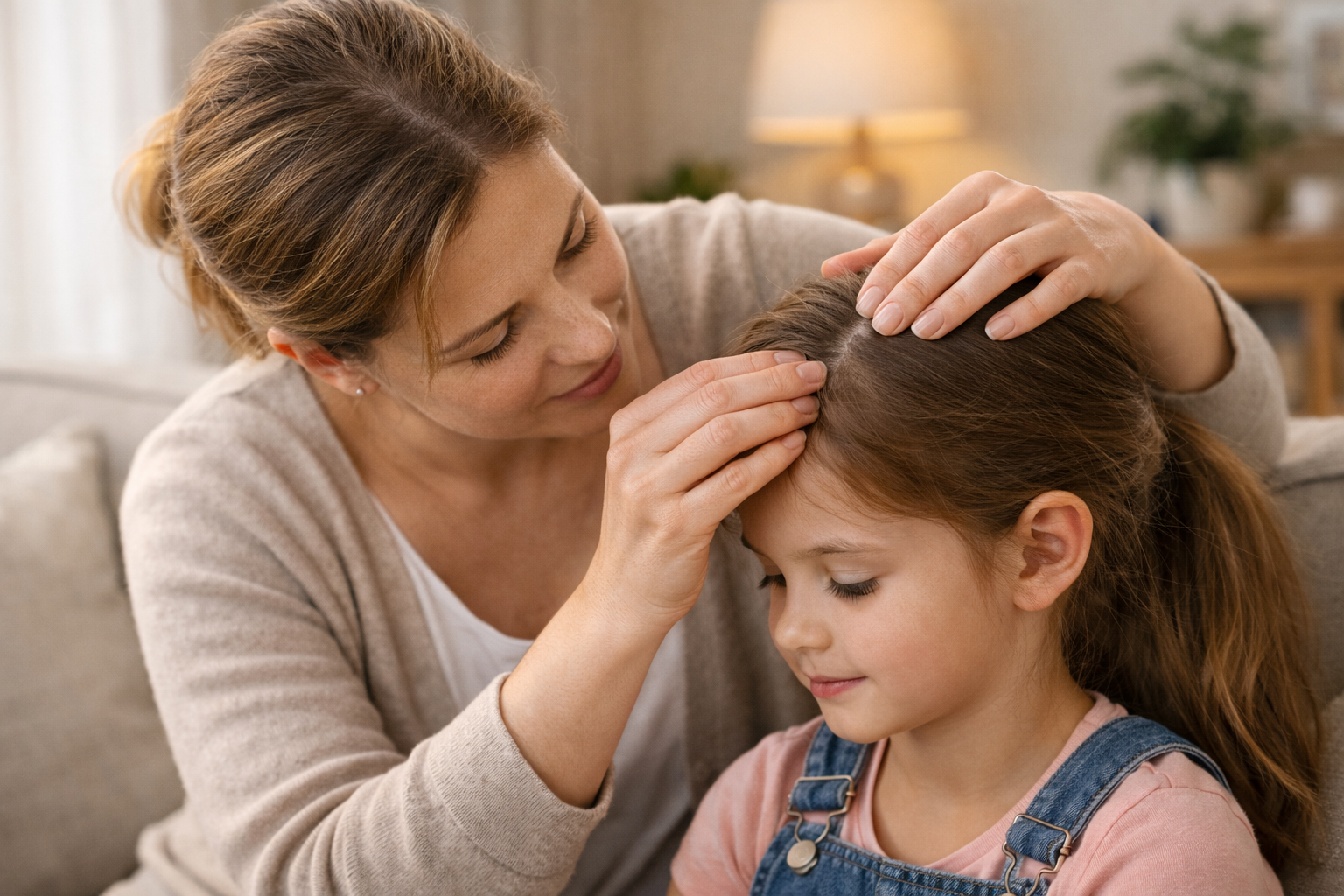

After spring break travel, sleepovers, and camps, it’s a good idea for parents to do a quick lice check when kids return home. Head lice spread easily through close contact, and vacations often create the perfect opportunity for exposure.
Yes, we’re talking about head lice.
Before panic sets in, take a deep breath. Discovering head lice after spring break is actually quite common, and it doesn’t mean anything about cleanliness or parenting. In fact, lice spreads easily anywhere kids spend time together, such as hotels, airplanes, camps, buses, and even family gatherings.
The good news is that with a quick post-spring break lice check and the right response, you can handle the situation calmly and effectively.
This guide will walk you through exactly what to do when kids return from spring break, how to check for lice properly, what signs to look for, and when it may be time to call in professional help.
Why Spring Break Is a Common Time for Lice Exposure
Spring break creates the perfect environment for lice to spread, and it’s not because places are dirty.
Head lice spread mainly through head-to-head contact, which happens frequently when children:
- Take selfies together
- Watch movies side-by-side
- Share beds at sleepovers
- Play games close together
- Hug or lean on each other
When kids travel or stay with friends or relatives, they often spend extended time in close contact. If just one child has lice, it can spread easily among the group.
That’s why many parents notice lice a few days after returning home from vacation or camp.
First Step: Do a Calm Post-Trip Head Check
When kids return from spring break, it’s a great idea to do a quick head check before the next school week begins.
This simple step can help catch lice early before they spread to siblings or classmates.
What You’ll Need
Checking for lice is easier when you have the right tools.
Prepare:
- A bright light
- A fine-tooth lice comb
- Hair clips or ties
- A towel or tissue
- Conditioner (optional but helpful)
You don’t need expensive equipment, just good lighting and patience.
How to Check for Head Lice the Right Way
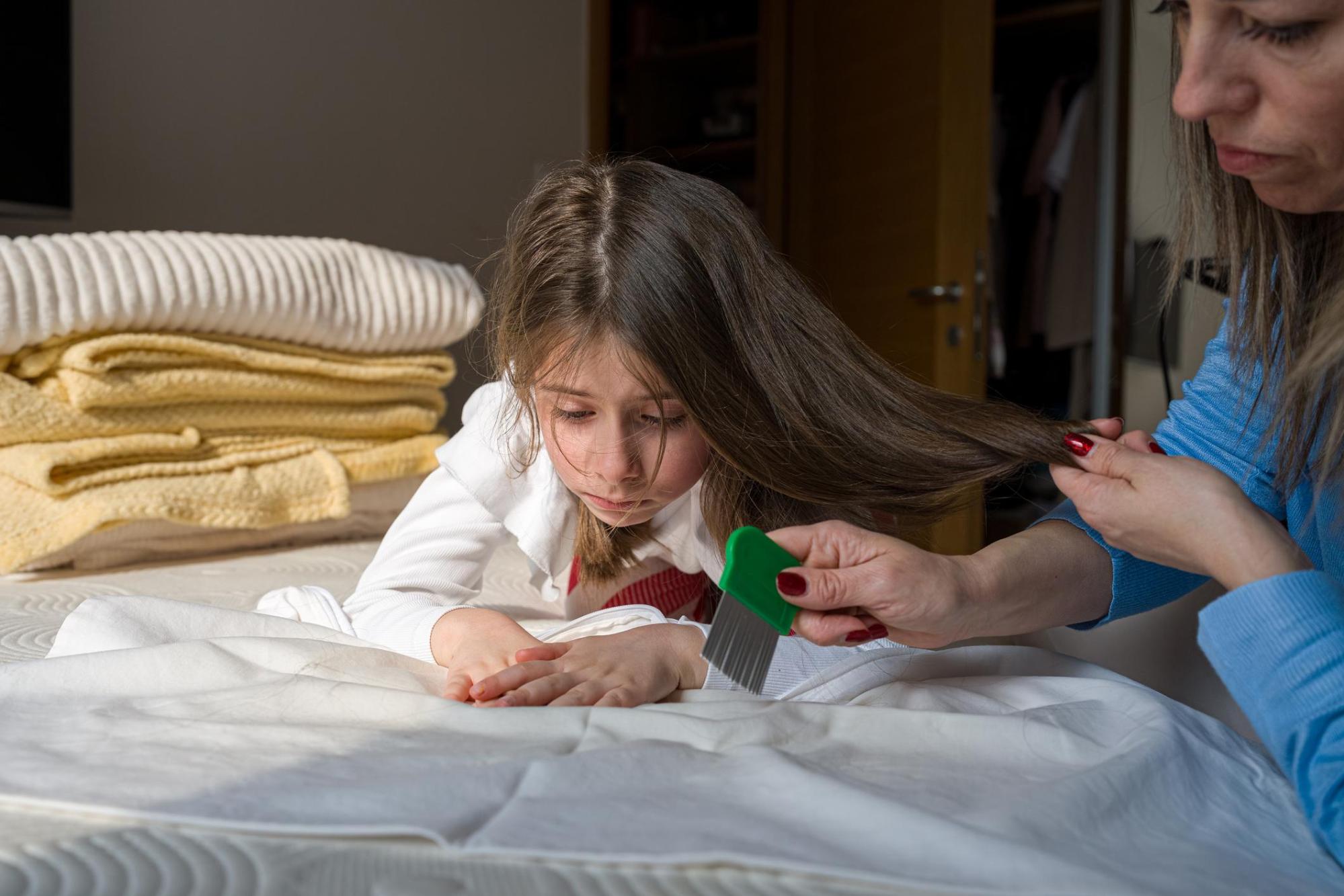
A careful lice check takes about 5–10 minutes per child. The key is to look closely at the scalp and hair near the roots.
Follow these steps:
1. Start With Wet or Conditioned Hair
Slightly damp hair or hair with conditioner makes it easier to comb through and spot lice or eggs.
2. Section the Hair
Use clips to divide the hair into small sections so you can check thoroughly.
3. Focus on Key Areas
Lice prefer warm areas of the scalp, especially:
- Behind the ears
- At the nape of the neck
- Along the hairline
- Near the crown
These are the places to examine most carefully.
4. Use a Fine-Tooth Lice Comb
Run the comb slowly from the scalp to the end of the hair.
After each pass, wipe the comb on a tissue and look for:
- Tiny moving bugs
- Small oval eggs attached to hair
What Do Head Lice and Nits Look Like?
Many parents worry they won’t recognize lice. The truth is, lice are small but visible if you know what to look for.
Adult Lice
Adult lice are about the size of a sesame seed. They are usually:
- Tan
- Grayish
- Light brown
They move quickly and avoid light, which can make them tricky to spot.
Nits (Lice Eggs)
Nits are tiny eggs attached firmly to the hair shaft close to the scalp.
They look like:
- Small oval dots
- White, yellow, or light brown
- Glued to the hair strand
Unlike dandruff, nits do not slide off easily.
If you try to remove one and it sticks firmly, it may be a nit.
Common Signs Kids May Have Lice
Sometimes lice are discovered during a routine check, but other times children show symptoms.
Watch for these common signs after spring break.
Persistent Itching
The most common symptom is itching of the scalp, especially:
- Behind the ears
- At the back of the neck
This itch is caused by a reaction to lice bites.
Frequent Head Scratching
Kids may scratch their heads repeatedly or complain that their scalp feels “tickly.”
Trouble Sleeping
Lice tend to be more active in the dark, which can make itching worse at night.
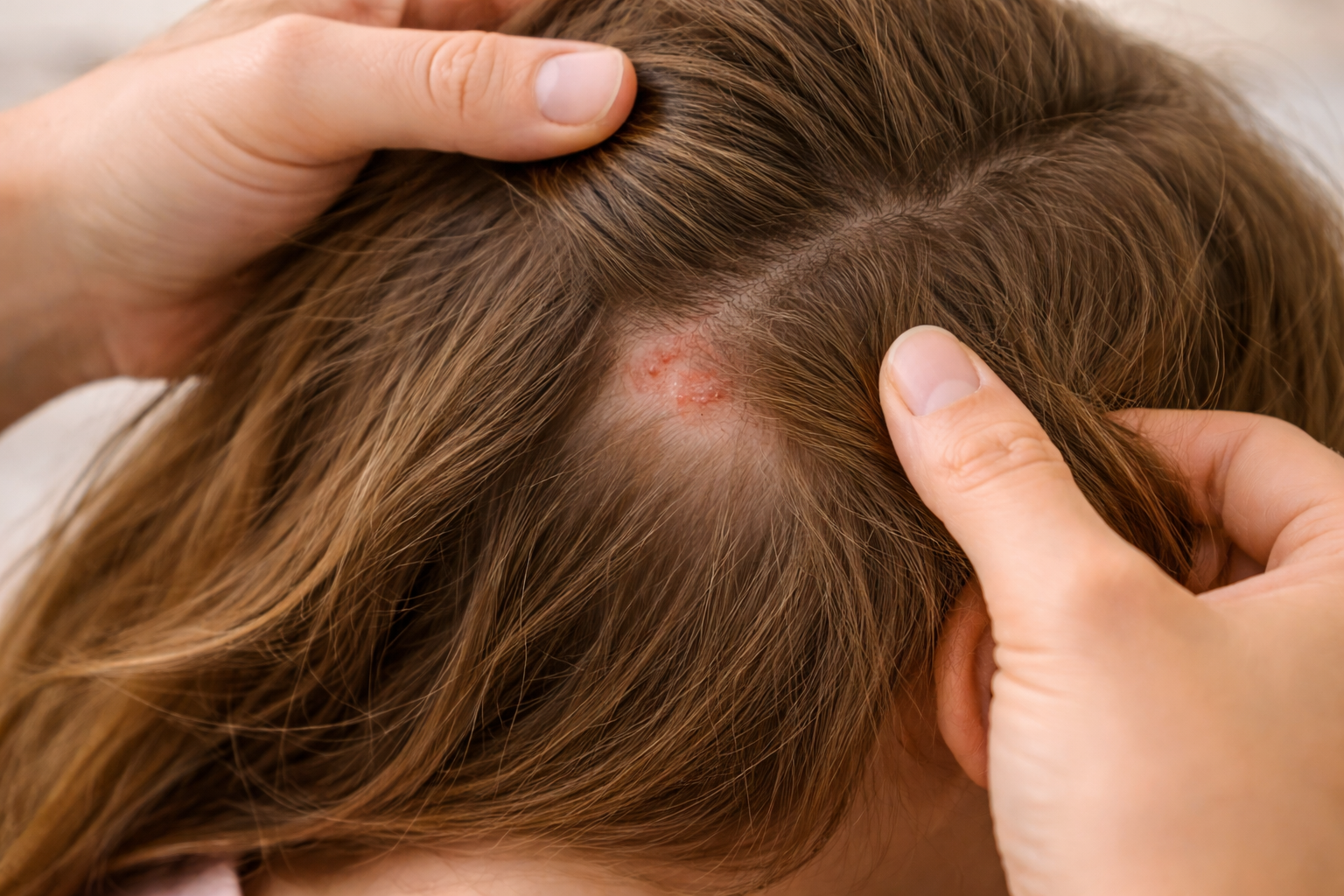
Small Red Bumps on the Scalp
Some children develop mild irritation from scratching.
However, keep in mind that some children have no symptoms at all, which is why a physical check is so important.
Preventing Lice From Spreading to the Whole Family
If lice are found, taking a few simple precautions can help stop them from spreading.
Check Everyone in the Household
Inspect all family members, especially siblings who may have shared beds or playtime.
Avoid Head-to-Head Contact
Until treatment is complete, limit close head contact between children.
Do Basic Laundry
Wash items used recently by the child, including:
- Pillowcases
- Hats
- Hair accessories
- Bedding
Use hot water and dry on high heat.
Skip Extreme House Cleaning
Despite popular belief, lice do not live long off the human scalp.
Deep cleaning the entire house is usually unnecessary.
Focus on the items used within the past 24–48 hours.
This often saves parents hours of frustration.
Why Early Detection Makes a Big Difference
A simple post-spring break head check can prevent lice from spreading further.
When lice are caught early:
- Fewer eggs are present
- Treatment is easier
- Spread to siblings is less likely
- Kids can return to school sooner
Think of it like checking for sunburn after a beach trip, it’s just part of returning home.
When Professional Lice Treatment May Help
For many parents, the most stressful part of dealing with lice is the nit removal process. Lice eggs can be difficult to remove, especially from thick, curly, or long hair. Missing even a few nits can allow the infestation to continue.
Professional lice removal services can be helpful when:
- Parents feel overwhelmed by the process
- Over-the-counter treatments have not worked
- Lice keep coming back after home treatment
- Families want a faster and more reliable solution
Professional lice treatment services, like those provided by LiceDoctors, send trained technicians directly to your home. Using specialized combing techniques, they carefully remove both lice and nits to ensure the infestation is fully addressed.
Many families choose professional treatment because it:
- Saves hours of combing and stress
- Ensures thorough nit removal
- Helps children return to school quickly
- Provides expert guidance to prevent reinfestation
For parents who want peace of mind, professional lice removal can be the fastest way to eliminate the problem and help the entire household return to normal routines.
Teaching Kids Simple Lice Prevention Habits
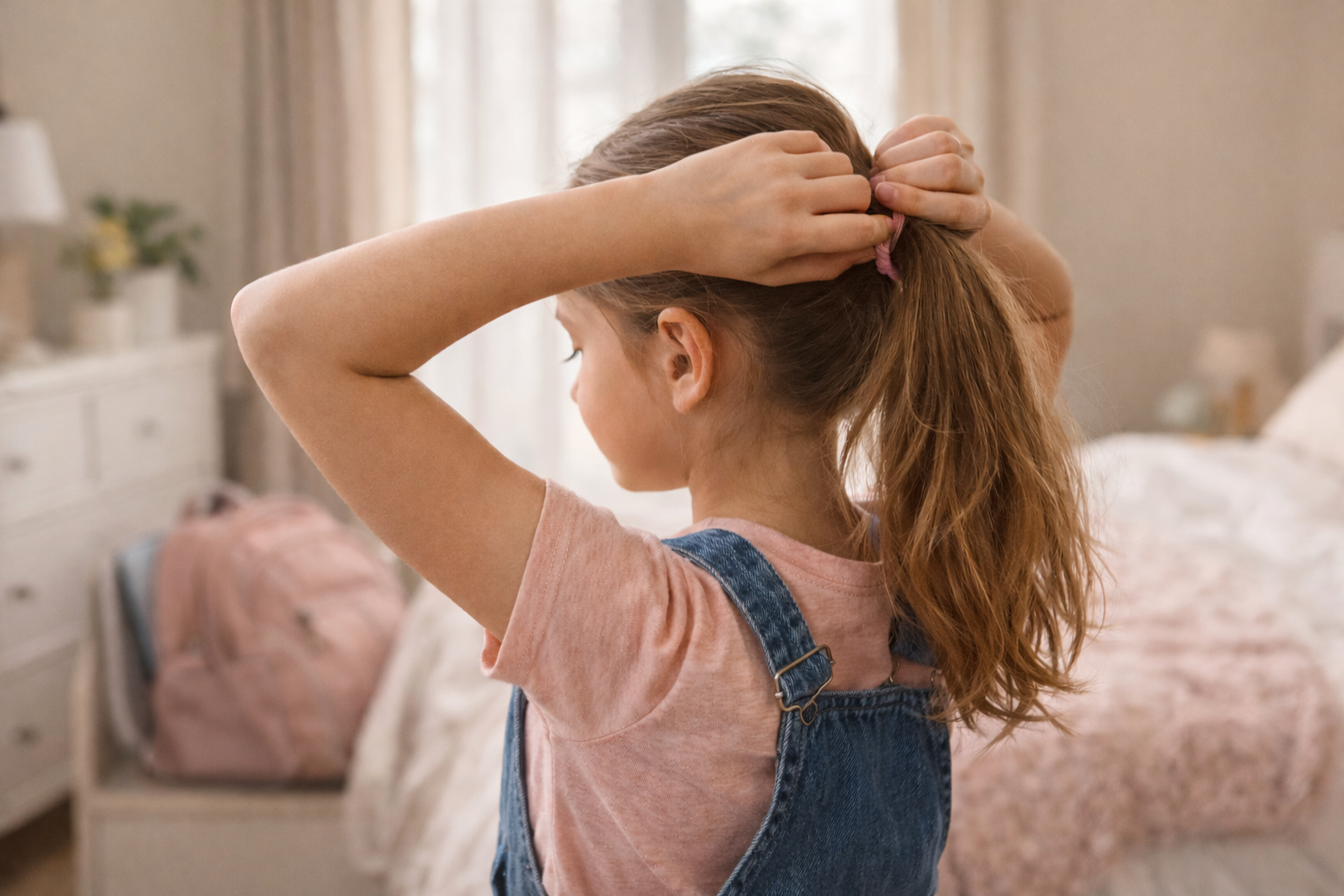
While lice cannot always be prevented, a few habits can help reduce risk.
Teach children to:
- Avoid head-to-head selfies
- Not share hats, helmets, or brushes
- Tie long hair back during group activities
- Keep personal hair accessories separate
These small habits can make a big difference in reducing exposure.
FAQ: Post-Spring Break Lice Checks for Kids
Should parents check for lice after spring break?
Yes. Spring break often involves travel, sleepovers, camps, and group activities where children spend time in close contact. Because lice spread through head-to-head contact, doing a quick check when kids return home helps detect lice early and prevent it from spreading to siblings or classmates.
How soon do lice symptoms appear after exposure?
It can take several days to a few weeks before symptoms like itching appear. Some children may not feel itchy at all in the early stages. This is why performing a visual head check after trips, camps, or vacations is important.
Can kids return to school if they have lice?
Policies vary by school district, but many schools now follow “no-nit” policy changes that allow children to return to class once treatment has started. Since lice do not spread disease, many health organizations encourage treatment while allowing kids to continue normal activities.
How do lice spread among children?
Head lice spread mainly through direct head-to-head contact, which commonly happens when kids:
- Play closely together
- Take photos or selfies
- Share beds during sleepovers
- Watch movies side by side
Lice do not jump or fly, but they crawl quickly from one head to another.
Do you need to clean the entire house if your child has lice?
No. Lice survive only a short time away from the scalp. Instead of deep cleaning your home, focus on washing items used recently, such as:
- Pillowcases
- Bedding
- Hats
- Hair accessories
Drying items on high heat is usually enough.
The Bottom Line: A Quick Check Brings Peace of Mind
Spring break should end with good memories, not unnecessary stress.
A quick head check when kids return home is one of the simplest ways to stay ahead of head lice.
Remember:
- Lice are common among children
- They spread through close contact, not dirt
- Early detection makes treatment easier
- Professional help is available if needed
By taking a few minutes to check your child’s hair, you can catch problems early and handle them calmly.
And if lice do show up after spring break, you’re not alone, and there are reliable solutions that can help your family get back to normal quickly.
Need Help With Lice Removal?
If you discover lice and want fast, reliable treatment, professional lice removal services can help eliminate lice and nits safely and effectively.
Experienced technicians provide in-home treatment and guidance so families can feel confident the problem is fully resolved.
Because the sooner lice are removed, the sooner kids and parents can get back to their routines.