.svg)
.svg)



The winter sports season is exciting. Early morning practices, weekend tournaments, ski trips, and hot chocolate in the lodge are all part of the fun. But when kids start wearing helmets, sharing locker rooms, and piling gear into bags, many parents quietly start wondering about something less fun.
Can head lice spread through helmets?
It’s a fair question. At LiceDoctors, we talk to families every winter who are concerned about hockey helmets, ski helmets, snowboarding gear, and shared equipment. The good news is this: with the right information and simple cleaning habits, winter sports don’t have to mean a higher lice risk.
Why Helmets and Winter Sports Gear Get Parents Thinking About Lice
Head lice spread through direct head-to-head contact. They don’t jump, fly, or crawl long distances. Still, helmets sit directly on the scalp, and kids often store them close together.
Here’s why winter sports gear raises questions:
- Helmets touch hair and scalp
- Kids sometimes share gear or try on each other’s helmets
- Gear gets warm and damp
- Locker rooms are crowded
- Equipment bags often sit piled together
Parents are right to want clarity. Understanding what actually increases risk, and what doesn’t, helps you focus on the things that matter.
Can Head Lice Live in Helmets?
This is one of the most common questions we hear.
The short answer
It’s unlikely, but not impossible.
The longer, more helpful answer
Head lice need human blood to survive. Away from the scalp, most lice die within 24 hours. Nits (lice eggs) need the warmth of the human head to hatch, so they don’t usually survive on helmets either.
However, there are a few situations where risk increases slightly:
- Helmets worn directly after another child
- Shared or rental helmets
- Warm, padded liners that sit snug against the head
- Gear used during back-to-back practices or games
This doesn’t mean you should panic or avoid sports. It just means basic hygiene and cleaning go a long way.
Winter Sports Gear Most Likely to Raise Lice Concerns
Not all gear is equal when it comes to lice awareness. Items that touch the head or sit close to hair deserve extra attention.
Hockey Gear
- Helmets
- Chin straps
- Helmet liners
- Neck guards
- Hats worn under helmets
Ski and Snowboard Gear
- Helmets
- Balaclavas
- Helmet liners
- Beanies and ear warmers
- Rental helmets
Shared Spaces
- Locker room hooks
- Gear cubbies
- Team benches
- Piles of hats and gloves
Again, lice don’t live long off the head. But being mindful helps reduce stress and unnecessary worry.
How to Clean Hockey Helmets Safely and Effectively
Hockey gear gets sweaty. Regular cleaning isn’t just about lice, it also helps with odor, bacteria, and skin irritation.
Step-by-Step: Cleaning a Hockey Helmet
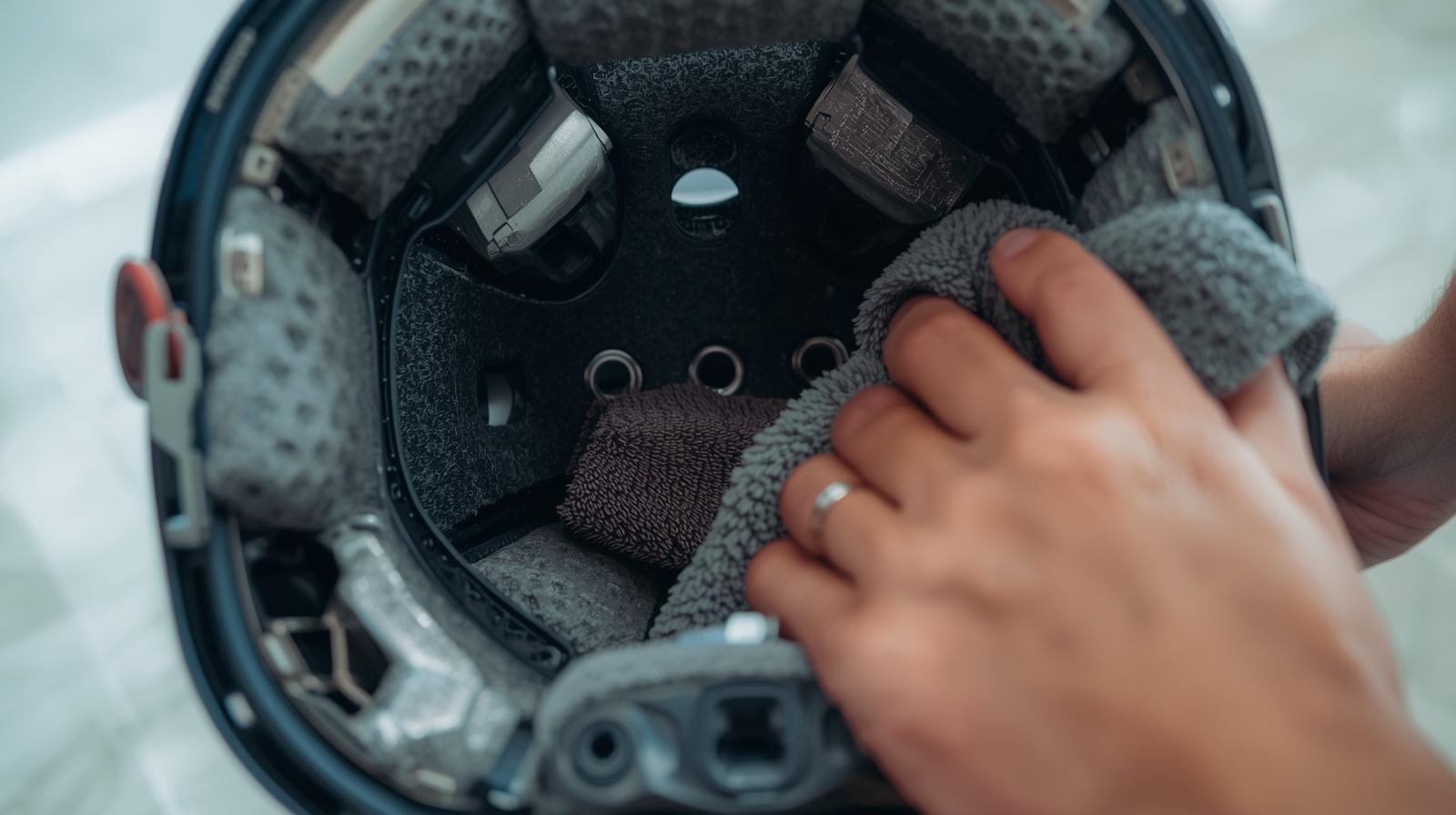
1. Check the liner
Many hockey helmets have removable liners or padding. If yours does, remove it and check the manufacturer’s care instructions.
2. Wash removable liners
- Use hot water (130°F if allowed)
- Regular detergent is fine
- Dry on high heat
Heat is key. Lice and nits cannot survive high temperatures.
3. Clean non-removable padding
- Use warm, soapy water
- Scrub gently with a cloth or soft brush
- Rinse thoroughly
4. Dry completely
Let the helmet air dry in a warm, dry space. Moist environments aren’t ideal for hygiene in general.
5. Optional preventive spray
Some parents choose lice-repellent sprays made with essential oils like tea tree or rosemary. These don’t treat lice, but they can offer peace of mind.
How to Clean Ski and Snowboard Helmets
Ski helmets often look cleaner than hockey helmets, but they still sit against the scalp and trap heat.
At-Home Cleaning Tips
- Remove liners if possible and wash them in hot water
- Wipe down the inside shell with mild soap and water
- Avoid soaking the helmet shell
- Air dry completely before storing
What About Rental Helmets?
If your child uses rental gear:
- Ask how often helmets are cleaned
- Use a thin, washable liner or balaclava
- Wash liners after each use
- Avoid sharing hats or helmets with friends
Hats, Balaclavas, and Helmet Liners: What to Do
These items are easy to overlook, but they’re often the simplest to clean.
Best practices
- Wash after each use if possible
- Use hot water and high heat drying
- Avoid sharing
- Keep each child’s items labeled and separate
If lice are a concern at school or on the team, washing these items regularly can help parents feel more in control.
Locker Rooms, Gear Bags, and Real-World Lice Risk
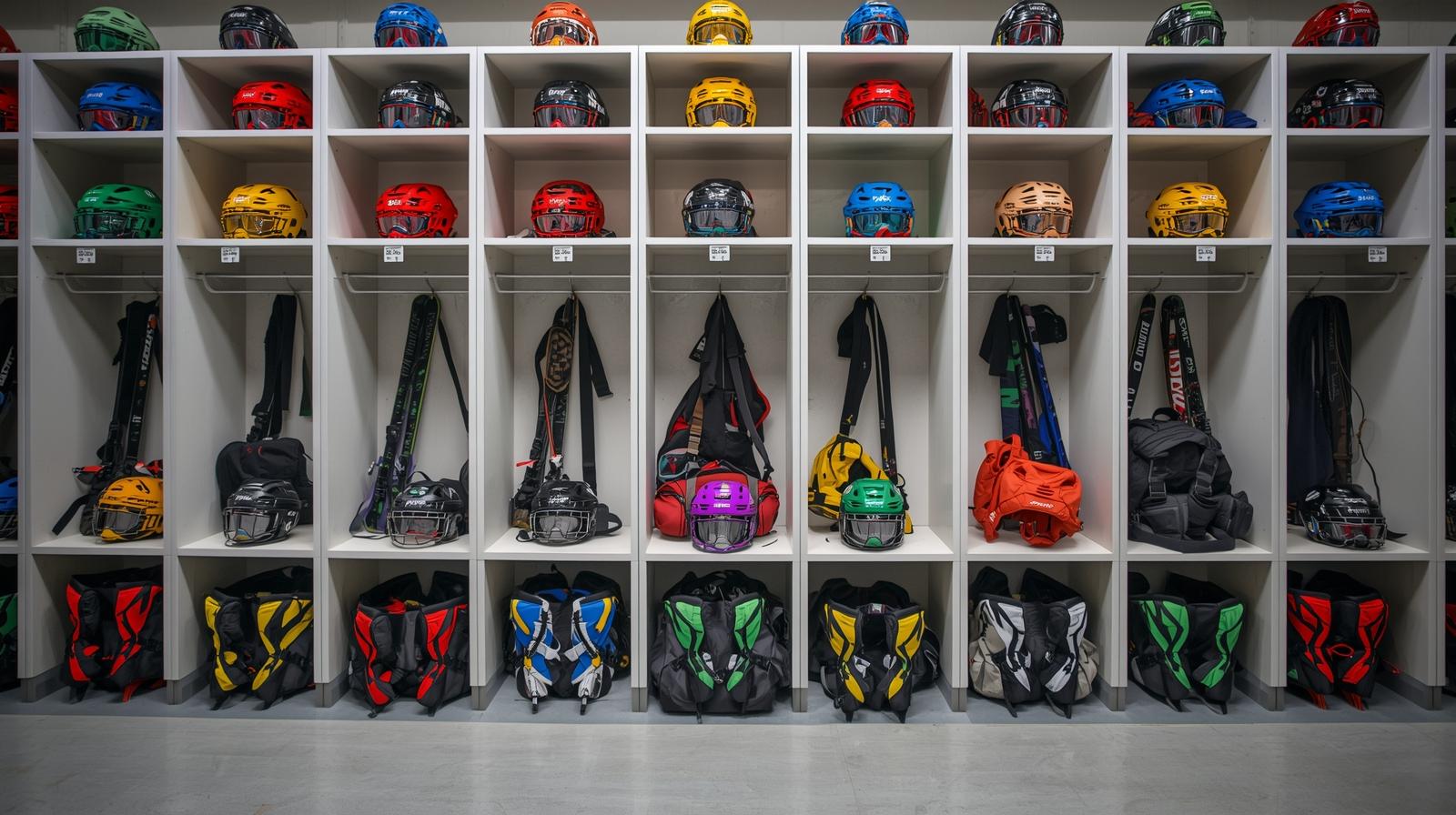
Locker rooms can look chaotic, especially with younger teams. But here’s the reassuring truth:
Lice don’t crawl across floors, benches, or walls to find a new head.
That said, smart habits help:
- Keep helmets inside individual gear bags
- Avoid piling helmets together
- Don’t share helmets, hats, or hair accessories
- Tie long hair back before putting on helmets
Simple organization reduces contact and confusion.
Do You Need to Disinfect Everything?
Short answer: No.
Over-cleaning often causes more stress than benefit. Lice infestations don’t come from dirty homes, and they don’t require harsh chemicals or extreme cleaning routines.
Here’s what actually helps:
- Washing items that touch the head
- Using heat when possible
- Avoiding shared headgear
- Checking hair if there’s known exposure
Vacuuming the car seats or freezing helmets isn’t usually necessary unless there’s a confirmed case.
Signs Parents Should Watch for During Winter Sports Season
Lice don’t care about the season, but winter sports can bring kids into closer contact.
Watch for:
- Frequent head scratching
- Complaints of itchy scalp or behind the ears
- Trouble sleeping due to itching
- Redness at the nape of the neck
If you’re unsure, a professional lice check can provide fast answers and peace of mind.
What to Do If Lice Are Found
First, take a breath. Lice are common, manageable, and not dangerous.
What NOT to do
- Don’t panic
- Don’t shave hair
- Don’t use harsh or unproven treatments
- Don’t keep your child home longer than necessary
What DOES help
- Get a professional evaluation
- Use safe, effective treatment
- Follow clear after-care instructions
- Clean head-touching items
At LiceDoctors, we specialize in in-home professional lice treatment, which means families don’t have to guess or struggle alone.
Why Professional Lice Treatment Matters
Winter schedules are busy. Between practices, games, school, and family life, most parents don’t want to spend hours researching lice treatments.
Professional services offer:
- Accurate diagnosis
- Safe, non-toxic treatment options
- Thorough nit removal
- Clear guidance for cleaning and prevention
- Reassurance from experienced professionals
That reassurance matters, especially during an already hectic season.
Lice Prevention Tips for Winter Sports Families
You don’t need to overhaul your routine. A few small habits go a long way.
Practical prevention checklist
- Avoid sharing helmets and hats
- Wash liners and hats regularly
- Tie long hair back
- Use optional lice-repellent sprays if desired
- Check hair occasionally during the season
- Keep gear organized and labeled
These steps are realistic, not overwhelming, and fit into everyday life.
Common Myths About Lice and Helmets
Let’s clear up a few misconceptions we hear all the time.
Myth: Lice live in helmets for weeks
Truth: Lice die quickly without a human host
Myth: Only dirty gear spreads lice
Truth: Cleanliness has nothing to do with lice
Myth: Winter sports cause lice
Truth: Lice spread through head-to-head contact, not activities
Myth: You must disinfect everything
Truth: Focus on head-touching items and heat
A Reassuring Reminder for Parents
If your child plays hockey, skis, snowboards, or participates in winter sports, you’re doing something great for their health and confidence. Helmets are essential for safety, and with basic care, they don’t need to be a source of constant worry.
Most lice cases come from close personal contact, not equipment. Awareness, not fear, is the goal.
How LiceDoctors Supports Families Year-Round
For over 20 years, LiceDoctors has helped families handle lice calmly and effectively. Our trained professionals provide:
- In-home treatment
- Safe, proven methods
- Honest education
- Support without judgment
Whether lice come from school, sleepovers, or sports, you’re not alone, and you don’t have to figure it out yourself.
Final Thoughts: Enjoy the Season Without the Stress
Winter sports should be about teamwork, fresh air, and fun. A little knowledge about cleaning helmets and gear helps parents feel confident without overthinking every practice or game.
Clean smart. Stay informed. And if lice ever do show up, know that you don’t have to handle it alone.
LiceDoctors is here to help with professional, in-home lice treatment that’s safe, effective, and designed to make the process easier for busy families. If you have questions, need a check, or want expert support, help is just a call away.
Because peace of mind is just as important as a clean helmet.