.svg)
.svg)

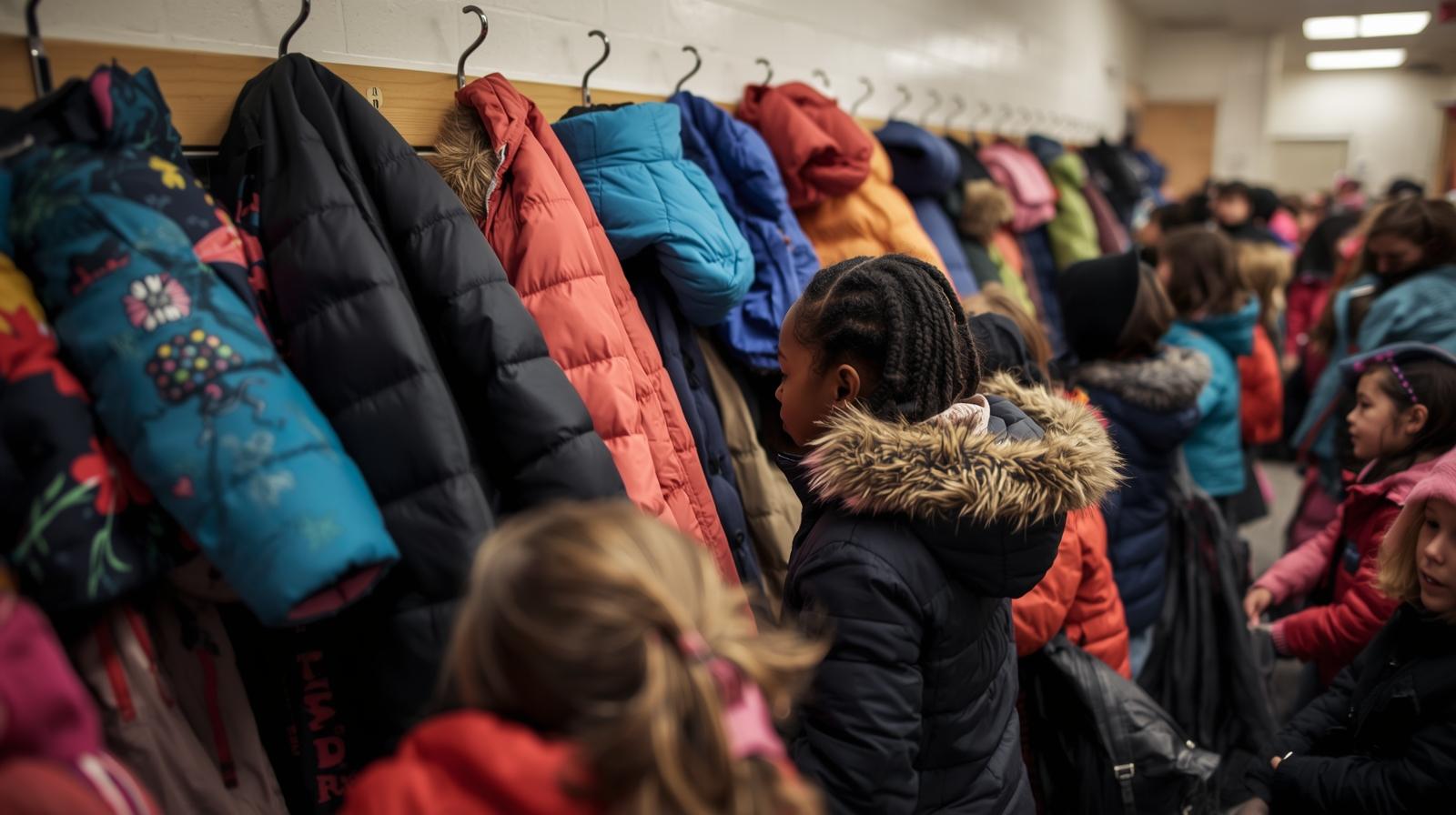

When winter arrives, classrooms change overnight.
Bulky coats pile onto hooks. Knit hats get stuffed into sleeves. Scarves dangle from cubbies. Gloves disappear. Everything feels crowded.
Most parents do not think twice about it. But during lice season, those packed cloakrooms can quietly increase the risk of spread.
If you have ever noticed that lice outbreaks seem more common in winter, you are not imagining it. There is a reason for it, and it has less to do with cold weather and more to do with close contact.
Let’s walk through what really happens in school cloakrooms, how lice spread, and what you can do to protect your child without turning winter into a stressful season.
Do Winter Coats Actually Spread Lice?
This is one of the most common questions parents ask.
The honest answer is this: coats themselves do not cause lice. People spread lice. But certain winter conditions can make transmission more likely.
Head lice spread primarily through direct head-to-head contact. That is the main route. Children lean together while reading. They whisper during group work. They huddle during indoor recess.
But winter introduces something new. Heavy clothing and headwear stored tightly together.
When coats with attached hoods touch each other on classroom hooks, there is a small window where lice could crawl from one fabric surface to another. The risk is not huge, but it is possible, especially if a child with an active infestation goes undetected.
The cloakroom does not create lice. It simply creates opportunity.
Why Winter Increases Classroom Lice Cases
Lice live on the human scalp year-round. They need warmth and a steady blood source to survive. They do not thrive in cold air. They thrive on heads.
So why do outbreaks seem more common in winter?
Several factors come into play:
- Children spend more time indoors.
- Close contact increases during indoor recess.
- Holiday gatherings and sleepovers add exposure.
- Hats, scarves, and hoods sit close to the scalp.
- Classroom storage becomes crowded.
Winter changes behavior. It brings kids physically closer together for longer stretches of time.
That proximity matters.
How Long Can Lice Live on Clothing?
Parents often worry that lice will live in coats all season.
That is not how it works.
Head lice are parasites. They are designed to live on human scalps. Once separated from a host, they typically survive less than 24 hours. Many die sooner because they cannot feed.
They do not burrow into fabrics. They do not build nests in jackets. They do not reproduce in clothing.
However, during that short survival window, if two hoods or hats are pressed together and another child puts that item on soon after, transmission can happen.
It is about timing and contact, not long-term contamination.
What Items Pose the Highest Risk?
Not all winter gear carries the same level of concern.
Items that sit directly against the head are more relevant than the body of the coat itself.
Higher-contact items include:
- Knit or fleece hats
- Hood linings
- Thick scarves wrapped around the neck and head
- Costume headwear
- Shared sports helmets
The body of a winter coat is less important than the hood area. Lice stays close to the scalp. They do not wander far unless forced to.
What Classroom Cloakrooms Actually Look Like
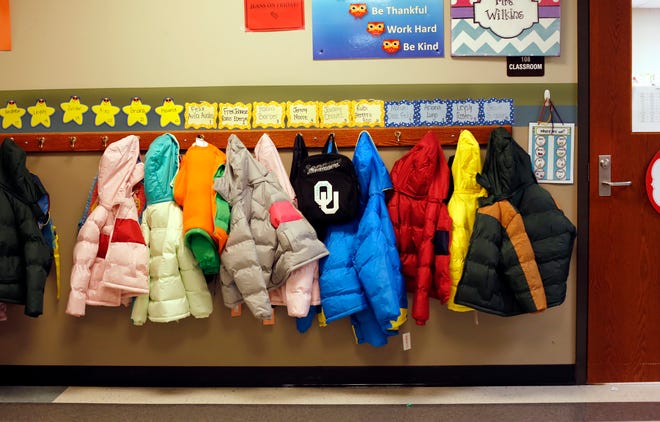
In many elementary schools, coat hooks are spaced just inches apart. Puffy jackets overlap. Hoods collapse into each other. Hats get tucked inside sleeves that press against neighboring coats.
No one notices. It feels normal.
But when one child has undetected lice, this kind of close storage slightly increases the chance that lice could move from one item to another before dying.
Again, the risk is not extreme. It is simply elevated compared to warmer months when lighter jackets hang separately.
The Bigger Issue: Undetected Lice
The cloakroom risk matters most when lice go unnoticed.
Children do not always itch right away. Some children never itch at all. By the time scratching begins, lice may have been present for weeks.
During that time, normal school behavior continues. Heads touch. Coats hang together. Exposure spreads quietly.
The real key to prevention is early detection.
What Parents Can Do to Reduce Risk

You do not need to overhaul your child’s winter routine. A few simple habits make a difference.
1. Tie Long Hair Back
Braids, buns, and ponytails reduce the chance of head-to-head contact. This is especially helpful during school hours.
2. Avoid Sharing Personal Items
Remind children not to share hats, scarves, brushes, or headphones. Even during spirit days or costume events.
3. Perform Weekly Checks
During peak season, check your child’s scalp once a week.
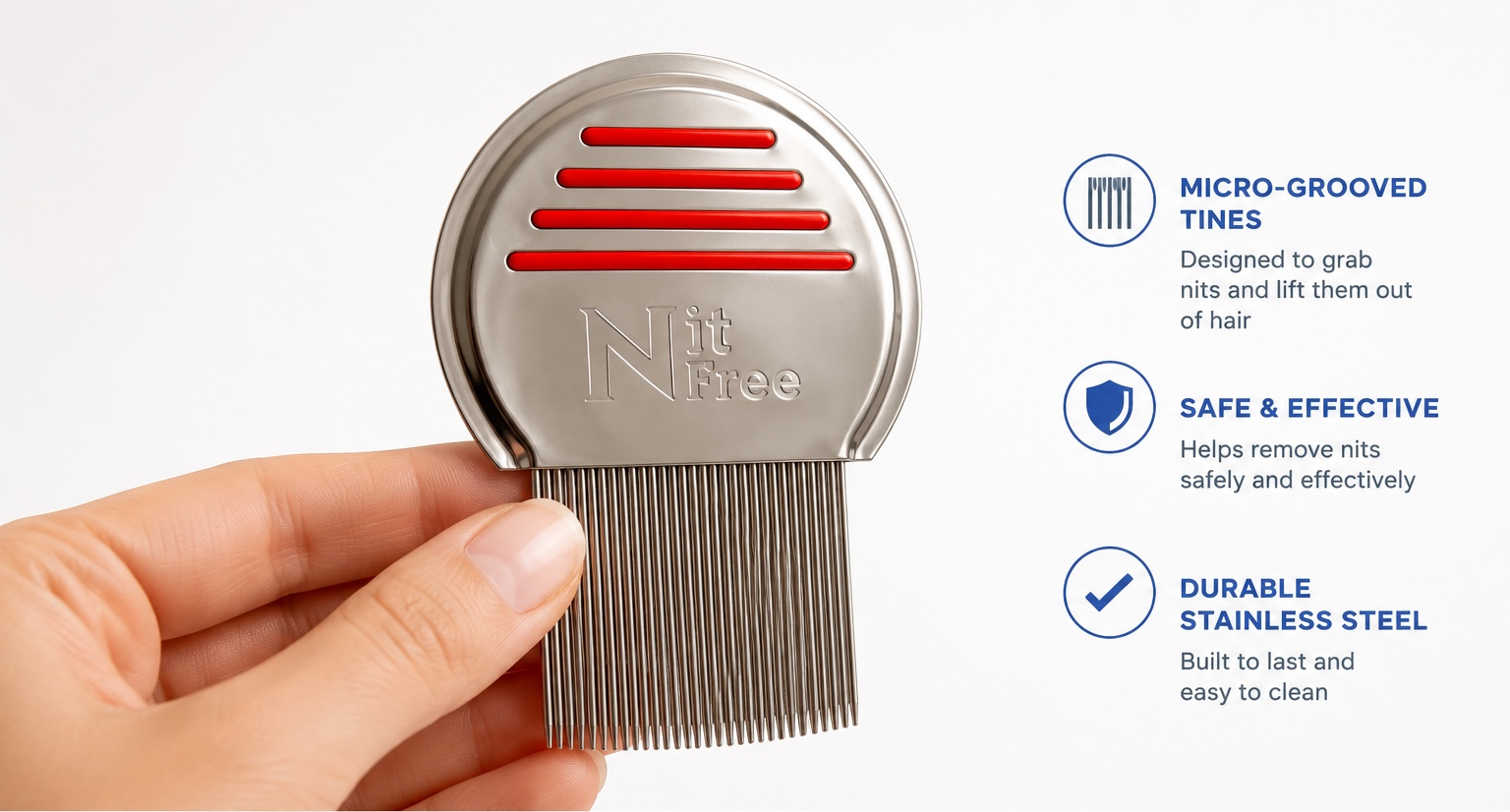
Look under bright light. Focus behind the ears and at the nape of the neck. Use a fine-toothed metal comb if possible.
You are looking for live lice or tiny oval-shaped eggs attached firmly to hair shafts near the scalp.
Routine checks reduce surprise outbreaks.
4. Store Items Separately When Possible
If classroom space allows, placing hats inside coat sleeves or backpacks can limit direct hood-to-hood contact.
You can also suggest this to teachers during known outbreaks.
What Schools Can Do
Most schools are already aware that winter increases lice reports. Small adjustments can help without creating alarm.
- Space hooks farther apart if possible.
- Encourage hats to be stored inside backpacks.
- Notify parents promptly when a case is identified.
- Avoid public shaming or singling out students.
Clear communication reduces panic and promotes faster resolution.
What to Do If There Is a Lice Notice From School
Receiving a school lice notice can cause immediate stress. Take a breath.
Exposure does not mean infestation.
Here is a calm plan:
- Check your child’s scalp carefully.
- Repeat checks every few days for two weeks.
- Wash recently worn hats and scarves in hot water.
- Dry items on high heat for at least 30 minutes.
- Avoid preventative chemical treatments unless lice are found.
Over-treating can irritate the scalp and create unnecessary stress.
Why Some Lice Treatments Fail and What Actually Works
When parents discover lice, the first stop is usually the pharmacy. That makes sense. Over-the-counter shampoos are easy to find and promise fast results.
The problem is that many traditional treatments rely on pesticide-based ingredients that lice have gradually developed resistance to over time. In many cases, the live lice may be affected, but the eggs survive. Those eggs hatch days later, and the cycle starts again.
Another common challenge is incomplete combing. Removing nits takes time, good lighting, and proper technique. If even a few viable eggs are left behind close to the scalp, reinfestation can happen.
This is why some families feel stuck treating lice more than once.
For parents who want more certainty, professional removal offers a different approach. Instead of relying primarily on chemicals, professional treatment focuses on meticulous manual combing. Each louse and egg is carefully removed by hand. That thorough process eliminates the need to wait for eggs to hatch or repeat chemical applications.
For families who prefer to handle treatment themselves but want a more reliable solution, the LiceDoctors Shop offers LiceDoctors Lice Treatment Products, designed to support effective removal and thorough combing at home. These products are developed with the same practical, experience-based approach used in professional treatments.
Whether you choose in-home professional removal or trusted treatment products, the goal is the same. Complete removal, less stress, and getting your child back to school with confidence.
Should You Wash Everything in the House?
This is one of the most common panic responses.
The good news is that extreme cleaning is rarely necessary.
Focus on:
- Pillowcases
- Recently worn hats
- Recently worn scarves
Wash them in hot water and dry on high heat.
Items that cannot be washed can be sealed in a plastic bag for 24 hours.
There is no need to deep clean carpets, fumigate rooms, or throw away belongings.
Lice do not live in your home. They live on heads.
Keeping Winter in Perspective

Winter already brings enough challenges. Colds. Snow days. Lost gloves. Busy schedules.
Lice does not need to become a crisis.
Yes, cloakrooms increase contact opportunities. Yes, outbreaks can cluster in colder months. But lice are manageable.
They do not carry disease. They do not reflect parenting quality. They do not mean your home is unclean.
They are common among school-aged children.
Awareness and routine checks make a big difference.
The Bottom Line on Cloakroom Risk
Winter coats hanging side by side can create a small window for lice transmission if an active infestation is present.
But the main driver of spread is still head-to-head contact.
The best protection is not fear. It is consistent.
Check regularly.
Tie hair back.
Avoid sharing hats and headwear.
Respond calmly to exposure notices.
When treated thoroughly, lice are temporary. Winter should be about warm memories, not worrying over coat hooks.
If you ever feel unsure about what you are seeing or simply want the peace of mind that the job is done right, professional help can make all the difference. LiceDoctors offers in-home treatment that focuses on complete, careful removal so your child can return to school confidently.
You do not have to handle it alone. When you are ready, booking a visit with LiceDoctors can help your family move past lice quickly and calmly.
And that is what every parent wants.