
.svg)
.svg)



Winter break, with its cozy gatherings, holiday travel, and flurry of close-contact activities, creates a perfect breeding ground for head lice. Unlike the common myth, lice thrive in the warmth of a human scalp year-round, and the increased time spent indoors in close proximity, think sleepovers, family photos, and sharing winter accessories, significantly amplifies the risk of transmission. The spike in cases often appears after the break, when kids return to school, making early detection and proactive prevention essential. This guide, written by the experts at LiceDoctors, provides a reassuring, step-by-step plan for recognizing the subtle signs of an infestation, implementing effective prevention strategies, and ensuring you have a stress-free, professional treatment option if those tiny, unwanted guests crash your holiday party.

The holiday season is magical. It’s a time of twinkling lights, cozy blankets, mugs of hot cocoa, and, most importantly, treasured time spent with family and friends. For many, winter break means a welcome pause from school routines, ushering in a flurry of activity: sleepovers with cousins, long car rides, group photos, and snuggling up for movie night.
But tucked into all that warmth and closeness is a tiny truth that most parents would rather not think about: Winter break is a prime time for head lice to spread.
It might seem counterintuitive. After all, lice are usually associated with the back-to-school frenzy, right? Well, at LiceDoctors, we see a significant wave of cases right after the holidays, and the pattern is clear: All that lovely, close-knit family time and travel creates a perfect storm for transmission.
If the thought of head lice is already making your scalp itch, take a deep breath. This is a common, manageable problem that is absolutely not a reflection of hygiene or cleanliness. LiceDoctors is here to walk you through exactly what to watch for, why the holidays are a hot spot, and how to keep your family lice-free, or get them lice-free fast, so you can focus on the cheer, not the critters.
Why Do Lice Love the Winter Holidays? The “Perfect Storm”
Head lice are resilient little bugs. They don't jump, they don't fly, they crawl, and they rely entirely on the heat of a human scalp to survive. The idea that they die off in the cold is a myth. They just hunker down right where it’s warm: on your head.
Here’s why winter break activities translate into a higher risk of lice transmission:
1. Close-Contact Gatherings: The Head-to-Head Factor
The primary way lice spread is through direct head-to-head contact. The holidays are practically a head-to-head buffet:
- Sleepovers & Slumber Parties: The ultimate risk factor. Kids are sharing beds, pillows, blankets, and spending hours with their heads touching while gaming, whispering secrets, or watching movies.
- Family Group Photos/Selfies: “Huddle close!” is the number one instruction for a group photo. This brings heads close enough for a louse to make a quick crawl from one host to another.
- Long Car Rides & Flights: Crowded backseats or airplane seats mean close quarters, where a child may lean a head on a sibling, cousin, or friend.
- Cozy Lounging: Huddled under a blanket on the sofa watching holiday classics, it’s all about proximity, which is all a louse needs.

2. The Sharing of Winter Accessories: Hats, Scarves, and Coats
While direct head contact is the main culprit, sharing accessories definitely plays a role, especially in the winter.
- Shared Warmth: Kids often grab the nearest beanie, scarf, or hoodie in the coat pile, especially at a big family gathering. If a live louse has recently crawled off a head and onto the fabric, it can quickly crawl onto the next warm head that uses the item.
- Lice’s Short Commute: Lice needs a blood meal every 12 to 24 hours to survive. They don’t want to be on a scarf; they want to be on a head. An item acts more like a momentary bridge than a breeding ground.
3. The "Lice Lag" Effect (The Post-Break Surge)
One of the most frustrating aspects of holiday lice is that the infestation often goes unnoticed until after the break is over.
- Delayed Symptoms: It can take a person anywhere from four to six weeks to start experiencing the classic symptom of itching, as it’s an allergic reaction to the lice saliva.
- Relaxed Routines: During the busy, often chaotic nature of the holidays, the routine scalp checks that might happen during the school year are often forgotten.
- Return to School: Kids return to the classroom, and the new crop of lice (nymphs and adults) they picked up at Grandma's house or a friend's sleepover are now ready to spread to their classmates, leading to that dreaded post-break school lice alert.
The bottom line: The transmission happens during the break, but the widespread outbreak often becomes obvious when everyone is back in school, which is why we encourage vigilance before they go back!
What to Watch For: Spotting Lice in the Holiday Rush
Early detection is your best defense against a major infestation. The sooner you find them, the easier they are to eliminate. Here’s what the LiceDoctors experts recommend you keep an eye out for.
The Tell-Tale Signs of Lice
1. The Head Scratching
While delayed itching is common, unexplained or persistent scratching, especially behind the ears and at the nape of the neck, is the single biggest sign. This is where lice often congregate because it’s warm and dark.
2. The “Something is Tickling Me” Complaint
Your child might not say “I’m itchy,” but rather, “My head feels weird,” or, “I feel something crawling.” Lice movement on the scalp can feel like a tickle or a crawling sensation. Listen to these subtle complaints!
3. Live Lice (The Bugs)
- Appearance: Adult lice are about the size of a sesame seed and are grayish-white or tan.
- Behavior: They move fast. Because they avoid light, seeing a live louse actively crawling is rare, but if you do, the case is confirmed.
4. Nits (The Eggs)
- Appearance: Nits are the tiny eggs laid by the female louse. They are oval-shaped and typically white, yellow, or tan.
- Location: The female glues them firmly to the hair shaft, very close to the scalp (within about 1/4 inch), as they need the scalp's warmth to hatch.
- The Big Difference: This is how you distinguish them from dandruff, dry scalp, or hairspray residue. Dandruff flakes off easily. Nits do not budge when you flick them. If you see a small speck that seems "stuck" to a hair strand, check it under a bright light.
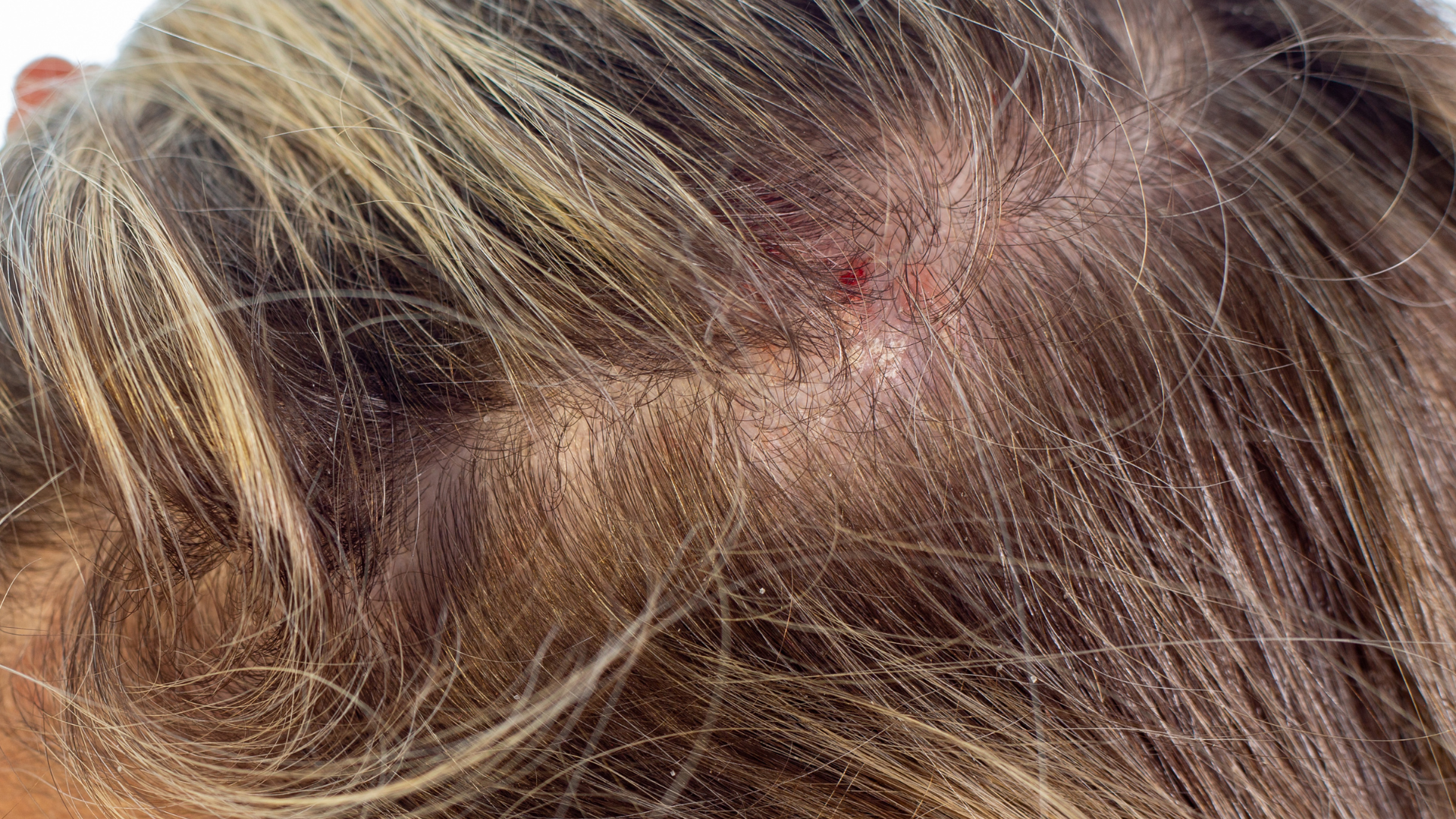
5. Small Sores or Rashes
Excessive scratching can irritate the scalp, leading to small red bumps or crusty sores. These are often seen on the back of the neck and behind the ears.
LiceDoctors Prevention Tips for Winter Break
You don't have to put your family in a plastic bubble to avoid lice, but you can definitely tilt the odds in your favor. Here are our top, professional-grade prevention tips for the holiday season.
1. The Power of the Up-Do
Lice are primarily spread through hair-to-hair contact. If the hair is pulled back, the path is blocked.
- For Long Hair: Encourage braids, tight buns, or ponytails. The less loose hair there is, the less chance of contact.
- For Boys: Use a small amount of gel or mousse to keep hair neatly groomed and away from the face, especially when playing games or huddling with friends.
2. The No-Sharing Rule
This is an easy family rule that prevents those accidental “bridge” transmissions. Teach your children:
- If it touches your head, it’s yours only. This includes hats, scarves, ear muffs, coats (especially the hood), helmets, hair ties, bows, headbands, brushes, and combs.
- Designated Storage: At a family party, encourage kids to keep their coats and hats tucked into their own backpacks or placed far away from a common pile.
3. Embrace the Post-Sleepover Check
This is one of the single most important things you can do to prevent a small case from becoming a household nightmare.
- The Wet-Combing Method: The most reliable check is the "wet-combing" method.
- Wet the hair and apply a generous amount of regular hair conditioner (it doesn't need to be a special lice-killing conditioner, any brand will work). The conditioner temporarily immobilizes the lice and makes combing easier.
- Use a professional-grade metal nit comb (available in your LiceDoctors kit or for purchase separately).
- Divide the hair into small sections and comb methodically from the scalp all the way to the end of the hair.
- Wipe the comb on a white paper towel or rinse it in a bowl of water after each pass.
- Inspect what is removed. If you see tiny, sesame-seed-sized bugs or firmly attached nits, you know what you're dealing with.
Do this check as soon as your child returns from any high-risk activity (sleepover, long trip, multi-day family gathering).
4. Travel Smart, Not Scared
If you are staying overnight somewhere, a few small steps go a long way:
- Bring Your Own Pillowcase: Bring a distinct, bright-colored pillowcase for each child and use it over the guest pillow. This creates an immediate, identifiable barrier that is easily washed when you get home.
- Avoid Communal Storage: Don't throw all the luggage, coats, and sleeping bags into one room. Keep your family's items together and separate from other guests.
Don't Panic: What to Do If You Find Lice
Discovering lice during the holidays can feel like a disaster. All those carefully laid plans and precious family moments suddenly feel threatened by a tiny bug. We want to be your voice of calm and your source of professional help.

1. Do NOT Freak Out
This is the most crucial step. You are not a bad parent. Your house is not dirty. Head lice happen to good, loving families all the time. Panicking leads to rash decisions, like buying every chemical product on the pharmacy shelf, which often don't work on today's “super lice.”
2. Confirm the Diagnosis
Make absolutely sure what you are seeing is actually lice or nits. As we mentioned, many people confuse dandruff, lint, or dry scalp flakes with nits. If you’re unsure, call LiceDoctors. We are happy to walk you through a quick self-check, or you can book one of our professional technicians to confirm the case.
3. Forget the Old Myths and Focus on Facts
- Myth: You need to burn your house down and wash everything in sight. Fact: Lice die very quickly when they are off the human head (they can only survive for about 24 hours). You do not need to treat your whole house. A quick vacuum of the common areas, a hot wash of any bedding/clothes used in the last 48 hours, and a bag for any un-washable items for a few days is more than enough. Focus on the head, not the house.
- Myth: You have to use harsh chemical shampoos. Fact: Many over-the-counter products use pyrethrins or permethrin, and most lice today have developed resistance to these pesticides, earning them the nickname "super lice." These products also only kill live lice and often miss the nits (eggs), leading to reinfestation when the nits hatch.
4. Call the Experts at LiceDoctors
This is the most effective and stress-free solution, especially during the busy holiday season. You have better things to do than spend 10 hours struggling with an ineffective home kit.
Why LiceDoctors is Your Perfect Winter Break Solution:
- In-Home Treatment: Our professional, discreet technicians come directly to your home at a time that works for your family, day or night, seven days a week, including holidays. You don't have to load everyone into the car and sit in a clinic. We help you maintain your comfort and privacy.
- All-Natural and Chemical-Free: Our treatment protocol uses a safe, non-toxic, all-natural process that is 100% effective, even against "super lice." This is an absolute necessity for children and families who want to avoid harsh pesticides.
- Guaranteed Eradication: We don't just kill the live bugs; our patented process involves expert, hands-on removal of every single nit (egg), which is the only way to break the life cycle and guarantee you are lice-free. Our treatment is backed by a 30-day guarantee.
- Expert Knowledge: Our technicians are the most experienced in the industry. They can spot the nits that most parents miss and provide personalized, practical advice for preventing reinfestation.
- Peace of Mind: We remove the stress and chaos, allowing you to return to your holiday plans knowing the problem has been professionally handled.
Your Lice-Free Winter Break Checklist
To help you navigate the holiday season with confidence, here is a quick, actionable checklist:
Conclusion: Keep Your Holiday Cheer—Lice-Free
Winter break should be a time for rest, relaxation, and creating joyful memories with the people you love. Don’t let the worry of head lice, or the surprise of finding a case, turn your well-deserved vacation into a stressful experience.
Remember: head lice are about transmission, not hygiene. They’re a sign that kids are enjoying close friendships and cozy family moments. By staying proactive, watching for the subtle signs, and knowing you have a guaranteed, all-natural, in-home solution with LiceDoctors, you can minimize holiday stress and focus on what really matters, making memories that last.
Your peace of mind is our priority. If you have questions or need discreet, professional help, our expert technicians are available seven days a week, ensuring your family stays lice-free and ready to welcome the New Year with confidence.
Make this holiday season truly lice-free.
Call LiceDoctors Today for Guaranteed In-Home Treatment We’re here 365 days a year, including holidays, to provide confidential, effective, and gentle lice removal, right in the comfort of your own home.