
.svg)
.svg)



Winter rolls in, temperatures drop, and suddenly closets fill with beanies, chunky knits, pom pom hats, fleece ear warmers, and hooded coats. Cold weather brings layers, cozy accessories, and lots of shared spaces, school coat racks, after-school programs, and even family gatherings. And with all these warm, wearable items comes a common question: can winter hats spread lice?
The short answer is yes, but not in the dramatic way many people imagine. Lice do not jump or fly from hat to hat. They are little crawlers that need a warm scalp to survive.
The longer answer is that lice primarily spread through direct head-to-head contact. That is still the number one way infestations happen. But hats, scarves, and other winter accessories can play supporting roles if certain conditions line up. For example, if a child with lice takes off a hat and another child puts it on shortly afterward, a live louse could crawl from the hat to a new scalp.
It’s important to remember that these scenarios are less common than direct head contact. Hats are not the main culprits, they are more like occasional accomplices. Understanding how lice behave and how winter routines influence their spread can help families stay proactive without panicking.
What Lice Actually Are
Head lice are tiny insects that live close to the scalp. They feed on small amounts of blood, lay eggs called nits, and reproduce quickly. They cannot fly or jump. They crawl.
Most families learn this the hard way during the school year when kids sit close together, take group selfies, or share scarves and hoodies. Winter adds another layer because kids pile their coats and hats together or borrow forgotten gear from the lost and found.
The good news: lice do not carry disease. They are annoying, persistent, and itchy, but not dangerous.
How Lice Spread
Lice spread through direct head to head contact in the overwhelming majority of cases. Think of situations like:
- Huddling together on a couch
- Whispering shoulder to shoulder
- Taking selfies
- Leaning close during activities
This is their highway. Clothing, bedding, and accessories are side roads. They can use those side roads, but the conditions have to be just right. This is where hats come in.
Can Hats Really Spread Lice
Yes, winter hats can spread lice, but it happens far less often than direct head-to-head contact. Hats are not the main culprit, but under the right conditions, they can act as a temporary vehicle for lice. Understanding how this works can help parents take simple, practical precautions.
Here is how hat transmission works in real life:
- A child with an active lice case takes off a hat.
If a child has live lice, a louse can crawl away from the scalp into the warm fibers of the hat. Thick winter hats, beanies, and knit caps provide a cozy environment for a short period, which can keep the louse alive long enough to transfer to someone else. - The louse survives for a short window.
Once lice leave the warmth and moisture of the scalp, they cannot survive indefinitely. Most lice die within 24–36 hours once removed from a human host. So timing is crucial: if the hat is left untouched for a day, the risk drops to nearly zero. - Another child puts the same hat on.
If another child tries on the hat while a live louse is still inside, the insect can crawl onto the new scalp and begin a new infestation. This is why communal hat piles or shared lost-and-found items carry slightly more risk. - The infestation begins.
Once the louse reaches a new scalp, it starts feeding, laying eggs, and repeating the cycle. That’s how a shared hat could technically spread lice.
The key takeaway is that while hats can be a vehicle for lice, they are far less likely to cause an outbreak than direct head-to-head contact. Simple habits like assigning each child their own hat, avoiding shared hat piles, and occasional heat drying are usually enough to eliminate the risk. Hats are part of the story, but not the main plot.
How Winter Changes Lice Behavior
Cold weather does not make lice stronger, but it does change family routines in ways that help lice spread. Here is what winter amplifies:
More layers
Kids grab hats, hoods, scarves, and earmuffs. These items touch the head and can trap warmth, which lice love.
More bundling in groups
Think about:
- Carpool rides
- Indoor recess
- Waiting areas
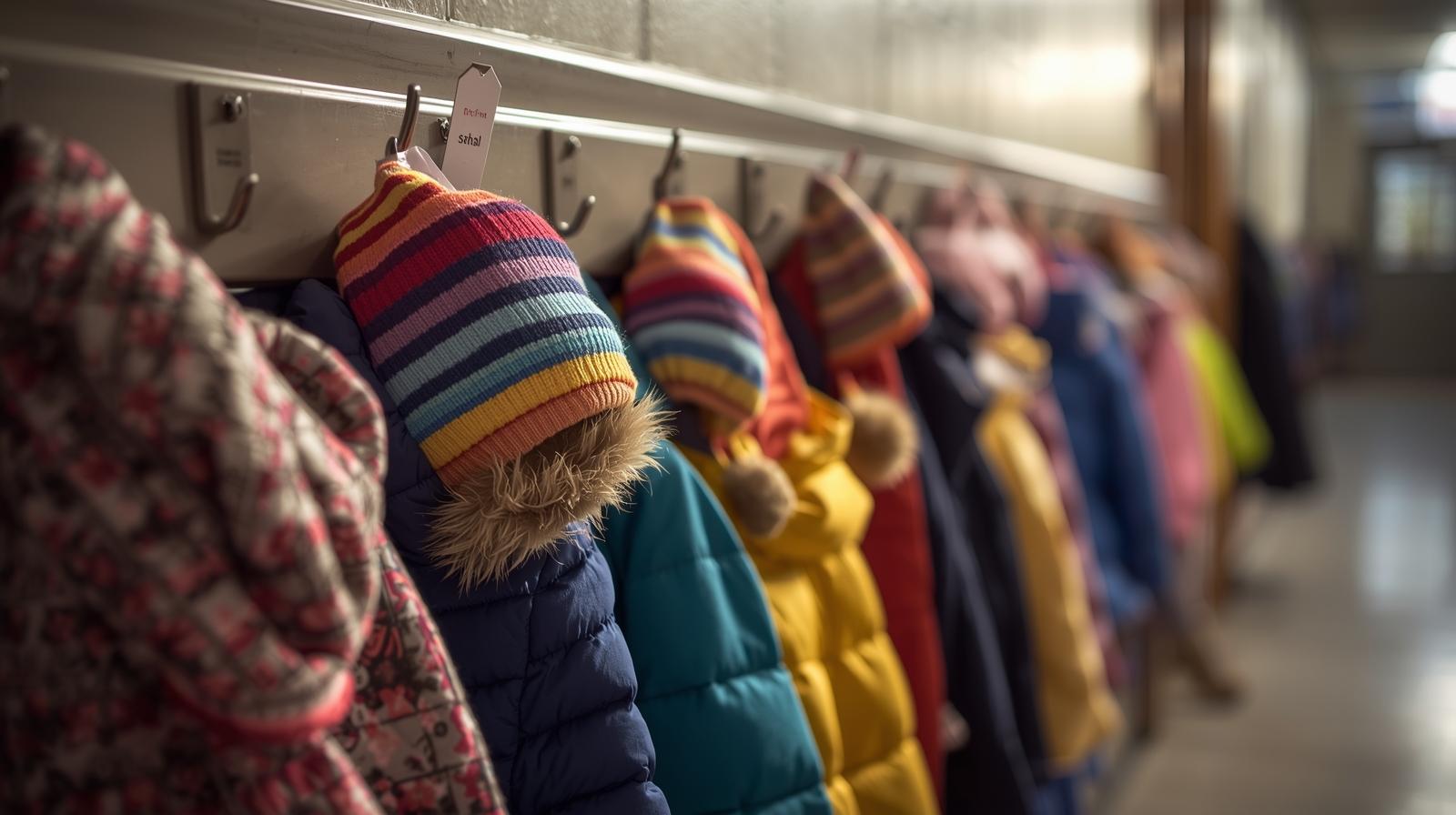
- Coat racks jammed with puffy jackets

Bodies and heads end up close together.
More shared items
Kids grab the closest hat in a pile. Winter gear sits together at school, in aftercare, at sports practice, or in a friend’s home.
Less frequent combing
Winter dryness and static make hair harder to manage. Many parents brush less and miss early signs that would normally raise flags.
Winter does not create lice, but it sets the stage for easier transmission.
The Science of Lice Survival on Clothing
Lice needs warmth and moisture from a human scalp to stay alive. Once separated from a person, a louse can survive about 24 to 36 hours. Nits cannot hatch unless kept at scalp temperature, so they are not a threat on hats or scarves.
Here is the survival breakdown:
- Live lice may survive for a short period in a warm hat.
- Nits will not hatch on hats or clothing.
- Cold temperatures slow lice down but they can stay alive long enough to move host if the hat is passed quickly.
- Warm, thick hats offer the best chance of survival for a louse that has crawled off a head.
This is why winter accessories matter more than summer baseball caps.
High Risk vs Low Risk Scenarios
To help families understand real world risk, here are two simple lists.
Higher Risk Winter Hat Situations
- A shared hat passed around within minutes
- Hats stored in one big pile
- Kids borrowing hats from friends, cousins, classmates
- Hats reused from a school lost and found
- Sharing sports gear like hockey helmets
- Using shared costume box accessories
Lower Risk Winter Hat Situations
- Wearing your own hat only
- Hats stored separately or hung on individual hooks
- Washed or heat dried hats
- Thick hats that are worn once per day
- Hats that no one else touches
The goal is not to fear clothing. The goal is to know what truly matters.
What Parents Notice First
Parents often discover lice in winter in one of three ways:
1. The classic itch
Some kids scratch nonstop. Others do not feel itchy until the case is more advanced.
2. A careful look during hair styling
A parent sees movement, tiny insects, or eggs stuck close to the scalp.
3. A notice from school
Winter lice alerts often spike because kids keep their heads closer together indoors.
No matter how you discover it, early action makes the biggest difference.
How To Prevent Hat Related Lice Spread
You do not have to sanitize your house or boil your child’s beanie. Lice does not require extreme cleaning. Small habits make the biggest difference.
1. Assign each child a personal hat
Label hats and winter gear so they do not get mixed up.
2. Skip the hat pile
Teach kids to place hats inside coat sleeves or backpacks instead of communal bins.
3. Run hats through the dryer
Twenty to thirty minutes on high heat is enough to kill lice on fabric.
4. Educate kids about sharing
Easy phrase to teach: “Hats, hoodies, and headphones stay personal.”
5. Keep hair tied back
Braids, ponytails, and buns reduce surface area for crawlers.
6. Do frequent checks
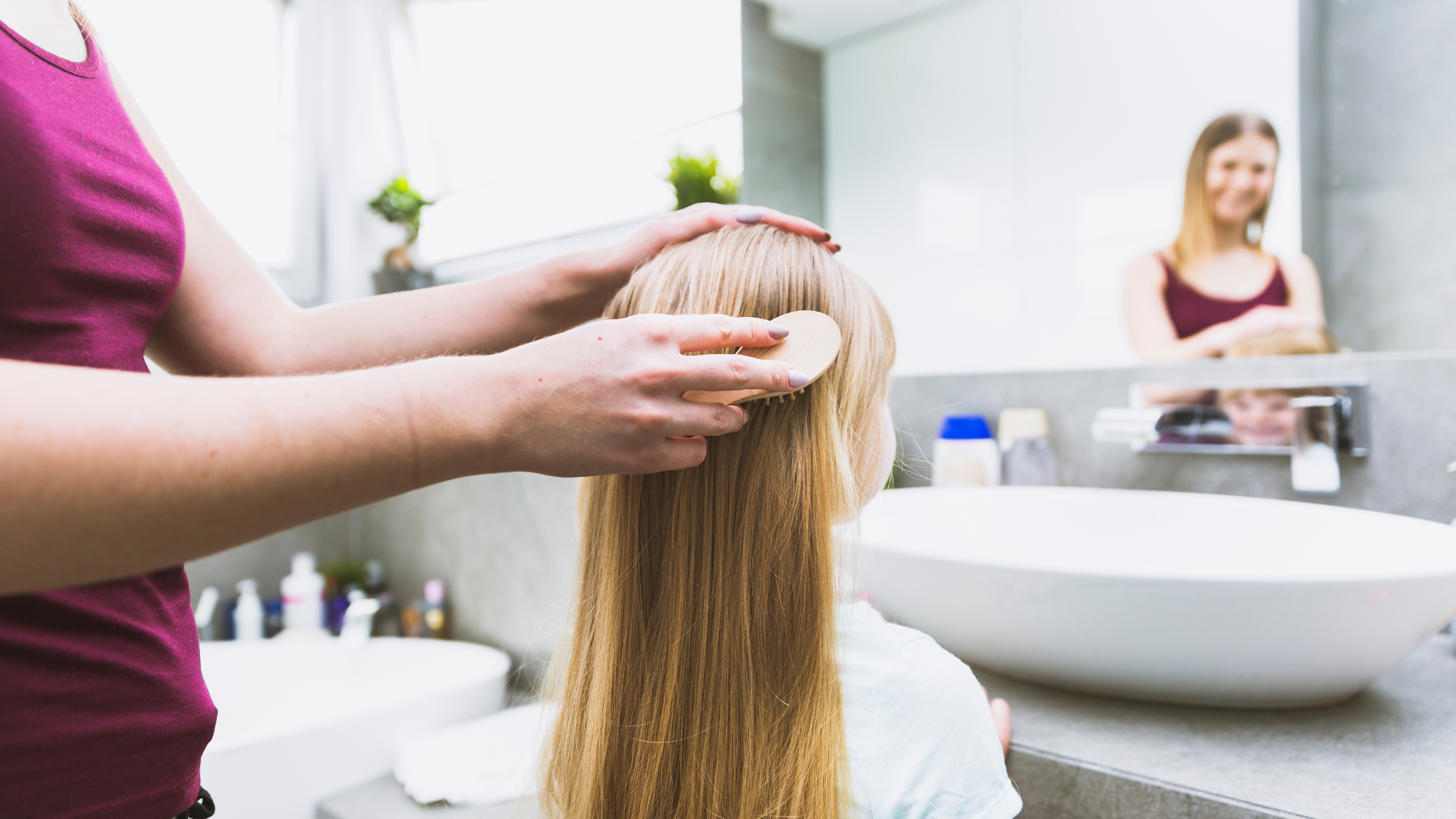
A quick once a week scalp check in winter can catch an early case.
7. Know when to call a professional
If you are unsure, overwhelmed, or want a guaranteed fix, LiceDoctors can send a specialist to your home.
When To Get Checked
You should consider a lice check if:
- You see your child scratching a lot
- Winter break involved sleepovers or travel
- Friends or classmates have confirmed cases
- Hats were shared recently
- Your child used items from a lost and found
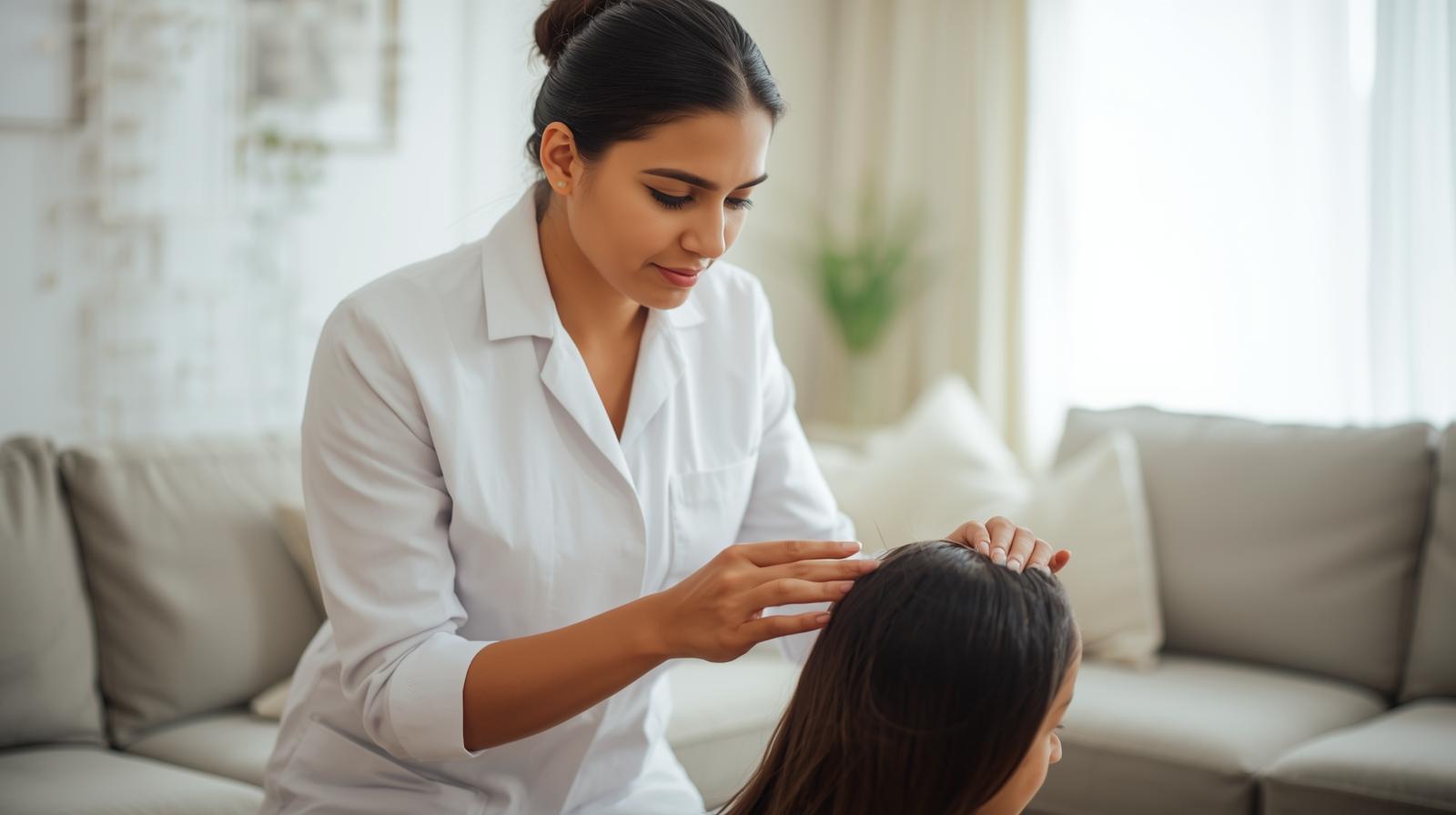
A professional check is simple, fast, and accurate.
Why LiceDoctors Removes Lice More Effectively
LiceDoctors has treated more than 600,000 families nationwide. The treatment process is chemical-free, safe for all ages, and built on a clear understanding of how lice behave.
Here is why it works:
1. In home treatment
You stay in the comfort of your own space. No waiting rooms. No exposure to sick kids during the cold season.
2. Proven manual removal
Our specialists use thorough, detailed combing paired with strand by strand checks. This method targets live lice and nits without harsh chemicals.
3. Education that calms the stress
Families get an exact plan, clear guidance, and simple follow up steps.
4. A doctor on staff
Our Medical Director, Dr. Madeleine Sowash, approves treatment protocols and ensures the process aligns with medical best practices.
5. Lice do not outsmart our method
Chemical treatments often fail because lice have grown resistant. Manual removal always works when done properly.
This is why families often call after trying everything else.
Comparison Chart: Winter Hats And Lice Risk
How A Typical Lice Case Unfolds
Every family thinks the case started yesterday. In most situations, it has been brewing longer. Here is a simple, realistic timeline.
Day 1
A child gets one or two live lice from a friend, sibling, or shared winter accessory. No symptoms yet.
Days 2 to 4
Lice begin laying eggs. Eggs are tiny, blend with hair, and are easy to miss.
Days 5 to 7
Mild itchiness may begin. Most parents still do not notice anything unusual.
Days 8 to 10
More eggs hatch. The cycle grows. Itchiness increases. This is often when parents discover the case.
Days 10 to 30
If untreated, the infestation continues and spreads to siblings, parents, or close contacts.
Why this matters
If your child shared winter hats recently, a check within a week is smart and prevents bigger problems later.
Professional Insight From LiceDoctors
Our technicians see more winter hat related questions than any other season, and their message is simple: hats can spread lice, but awareness stops the problem fast. Here are the insights families appreciate most:
Lice do not care about cleanliness
A child can be freshly showered and still get lice. Hygiene is not a factor.
You cannot get lice from the cold
Temperature itself is not the cause. Close contact and shared items are.
You do not need to deep clean the whole house
A focused approach works better. We guide families step by step.
Manual removal is the gold standard
Combing and checking solve the problem at the source.
You are not alone
Lice are common, especially in winter. Fixing the problem is easier than parents expect.
Final Takeaway
Winter hats can spread lice, but they do not cause major outbreaks by themselves. They act more like optional carriers. The real engine behind winter lice cases is close contact, shared gear, and the tendency for kids to pile items together.
With smart habits, quick checks, heat drying, and an understanding of how lice behave, families can move through winter without stress.
If you ever feel unsure or want fast, guaranteed help, LiceDoctors is ready to step in with in-home service and proven, chemical free treatment. Friendly technicians, clear guidance, and complete peace of mind.
You do not have to handle winter lice alone. LiceDoctors is here to make the process easy.