.svg)
.svg)



When families think about spring break, they usually picture sunshine, travel, sleepovers, sports tournaments, and a break from packed school schedules.
What they don’t picture?
Head lice.
Yet every single year, right after spring break, something very predictable happens. Our phones at LiceDoctors start ringing more often. Parents call in a calm voice that slowly turns worried:
“My daughter just got back from a sleepover, and now she’s scratching…”
Or:
“We went on vacation last week, and I just found something in his hair.”
We call it the Spring Break Spike. And if you’ve never heard of it before, you’re not alone.
March is one of the busiest lice months of the year, and there are very clear reasons why.
Let’s walk through what’s really happening.
Why Is March a Peak Lice Month?
Head lice don’t care about weather. They care about opportunity.
And March creates a lot of opportunities.
During spring break:
- Kids travel and share close spaces.
- Sleepovers multiply.
- Sports tournaments bring teams together.
- Families visit relatives.
- Kids spend hours sitting shoulder-to-shoulder watching movies or playing games.
Lice spread through direct head-to-head contact. They don’t jump. They don’t fly. They crawl.
So when children gather more closely and more often, transmission becomes more likely.
It’s not random. It’s behavioral.
What We See Every March at LiceDoctors
We’ve been treating families nationwide for years, and March follows a pattern.
About 1–3 weeks after spring break, we see:
- An increase in calls
- Multiple siblings infected in one household
- Larger infestations that went unnoticed during travel
- Parents who had no idea lice could spread outside school
It happens consistently enough that we prepare for it ahead of time.
March isn’t surprising to us. But it often surprises parents.
Why Spring Break Travel Increases Risk
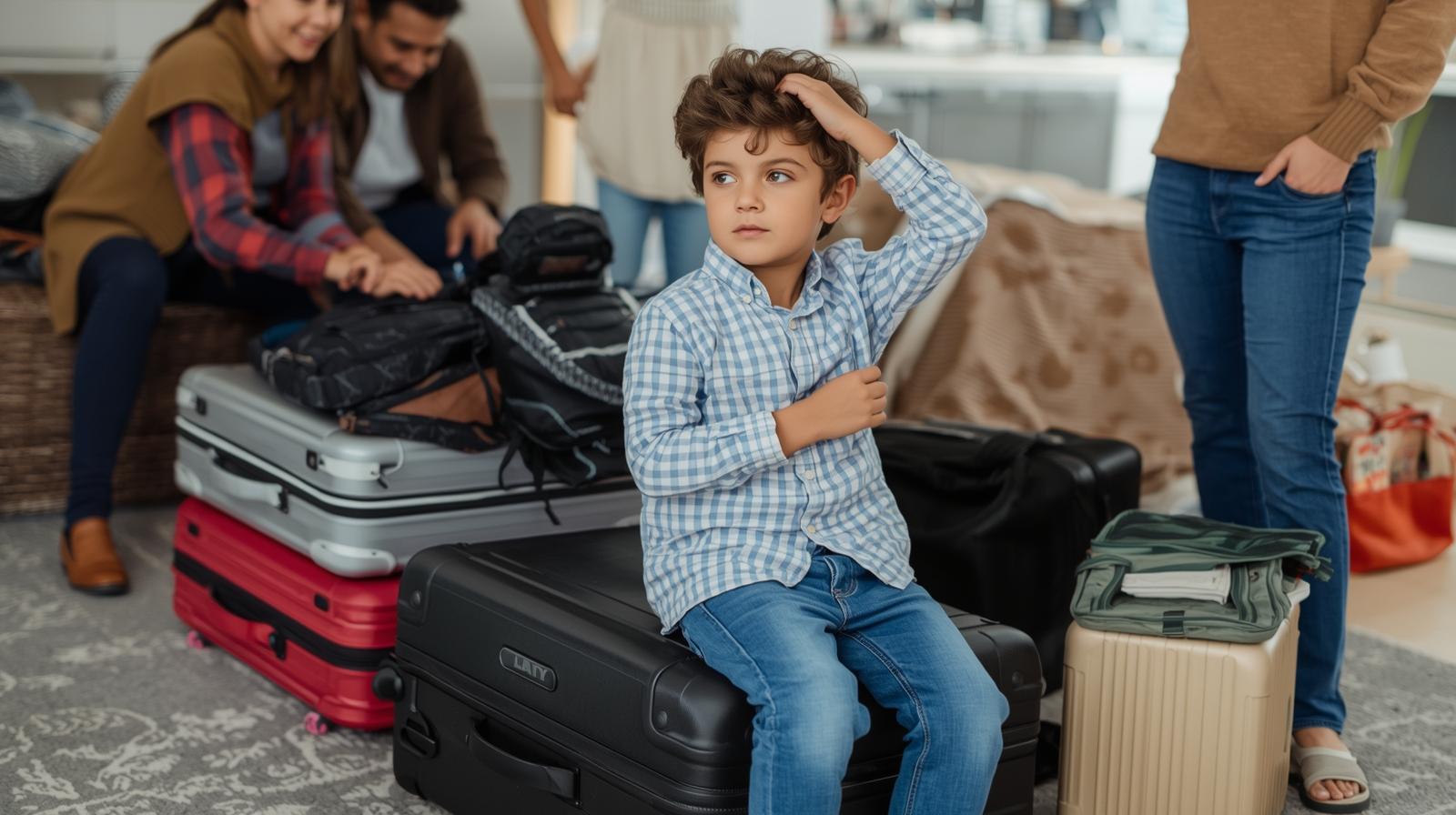
Travel itself doesn’t cause lice.
Close contact does.
During spring break, kids:
- Share beds with cousins.
- Watch movies side-by-side on tablets.
- Rest their heads together during long car rides.
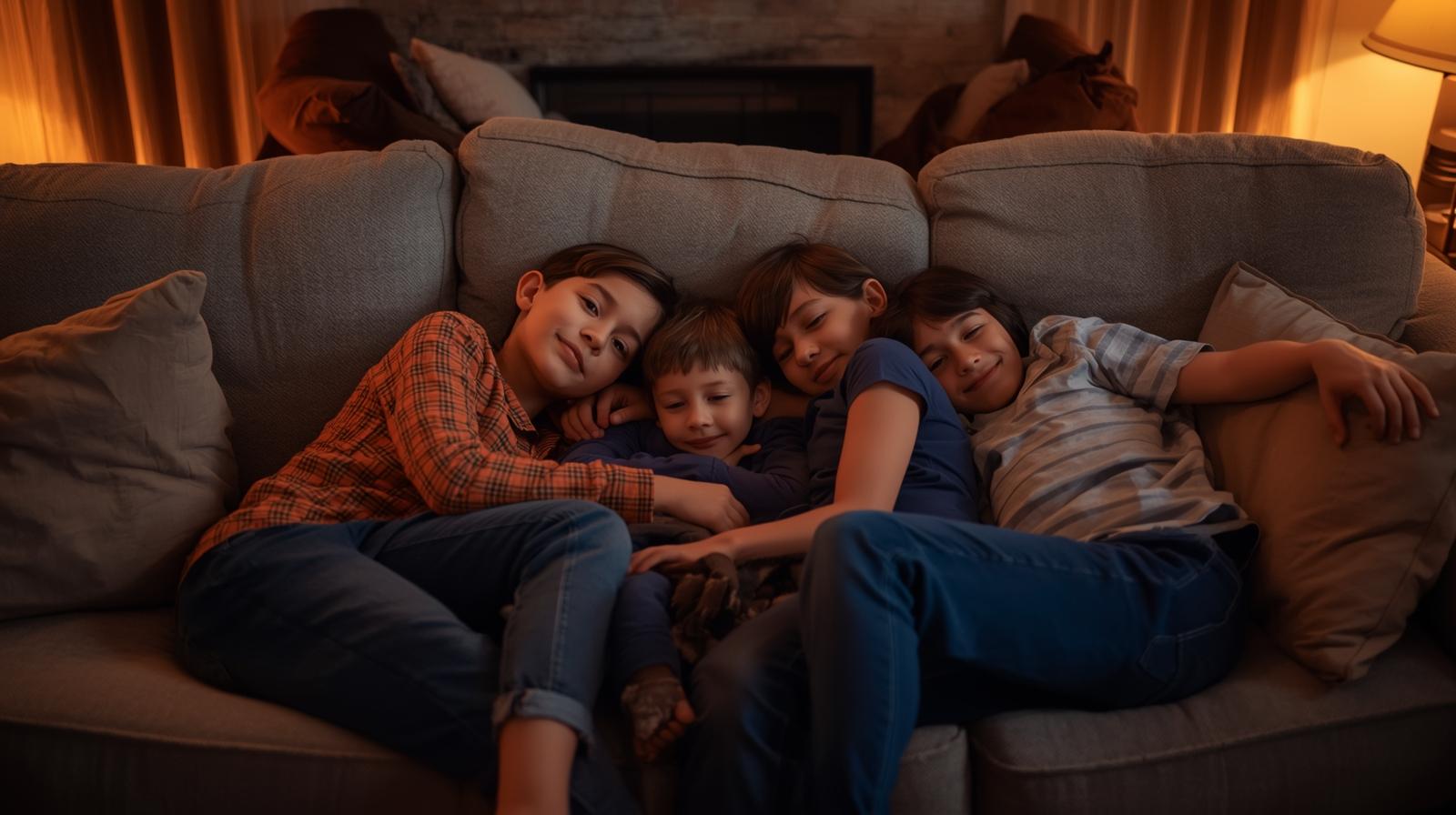
- Pile onto couches in hotel rooms.
Lice needs a human scalp to survive. They don’t live long on furniture or bedding.
But when children are spending hours close together, especially overnight, that creates ideal conditions for transfer.
One unnoticed case can quietly spread to several children before anyone realizes.
Sleepovers: The Biggest March Trigger
If there’s one setting we see connected to March infestations again and again, it’s sleepovers.
Here’s why:
- Kids share pillows.
- They lie head-to-head watching movies.
- They braid each other’s hair.
- They take selfies pressed together.
And most importantly, lice are often undetected at early stages.
A child may not itch for weeks. So a perfectly sweet, well-meaning friend can unknowingly pass lice along.
That’s not anyone’s fault. It’s simply how lice biology works.
The 2–3 Week Delay Most Parents Don’t Realize
One of the biggest reasons March feels like an “explosion” month is timing.
Here’s what typically happens:
- A child is exposed during spring break.
- A few lice transfer.
- Eggs (nits) are laid close to the scalp.
- Eggs hatch in 7–10 days.
- The population slowly increases.
- Itching begins 2–3 weeks later.
By late March or early April, parents suddenly notice scratching.
It feels sudden.
But biologically, it started weeks earlier.
That delay is what makes March so busy for lice professionals.
“But We Were Just on Vacation…”
We often hear:
“We don’t even know where this came from.”
And that’s completely normal.
Lice don’t announce themselves. Early infestations are tiny and easy to miss.
Many families assume lice only spread at school. But any close gathering can lead to transmission:
- Camps
- Family reunions
- Team travel
- Birthday parties
- Spring tournaments
Spring break simply increases social mixing.
Common Spring Break Lice Myths
Let’s clear up a few things we hear every year.
Myth #1: You Get Lice from Hotel Rooms
Highly unlikely.
Lice cannot survive long without a human scalp. Transmission requires close, direct contact.
Hotels aren’t the issue.
Prolonged head-to-head contact is.
Myth #2: Only “Dirty” Hair Gets Lice
Not true.
Lice don’t care if hair is clean, dirty, long, short, straight, or curly.
We treat families from every background and income level across the country. Lice do not discriminate.
Myth #3: Sharing Hats Is the Main Cause
It’s possible, but it’s not the primary driver.
Direct head-to-head contact is far more common than transmission from objects.
Signs to Watch for After Spring Break
In the weeks following March break, pay attention to:
- Persistent scalp itching
- Red bumps at the nape of the neck
- Complaints of a tickling feeling
- Difficulty sleeping
- Small, oval eggs attached firmly to hair shafts
Important: Not every child itches right away. Some don’t itch at all.
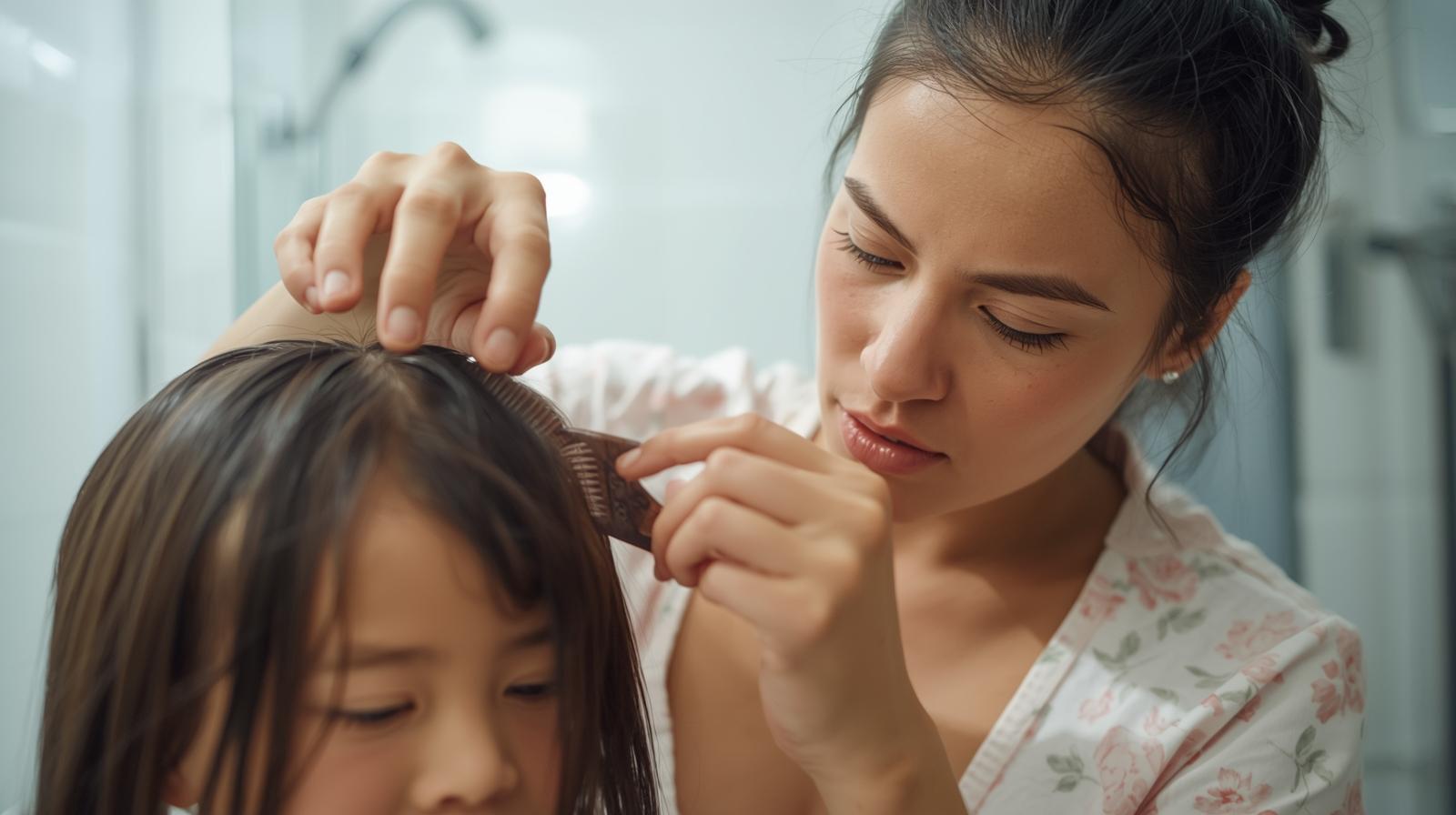
If you’re unsure, a careful comb-through under bright lighting is the best way to check.
Why DIY Treatments Often Struggle in March
By the time March infestations are discovered, they’re often more established.
Parents frequently try:
- Drugstore lice shampoos
- Essential oils
- Internet home remedies
Here’s the challenge.
Many over-the-counter products rely on permethrin or pyrethrin. Lice resistance to these ingredients has become widespread in many areas.
When treatments fail, families experience:
- Surviving lice
- Missed viable eggs
- Repeat cycles
- Weeks of stress
And March is already a busy month.
Sports practices.
Work deadlines.
School projects.
Travel plans.
No parent wants to spend weeks fighting lice during all of that.
The Emotional Side of a March Lice Discovery
The first reaction is usually panic.
Then comes the frantic online searching.
Then guilt.
We hear it all the time:
“I feel terrible.”
“I just checked them.”
“How did this happen?”
Let’s say this clearly:
Lice are not a reflection of parenting.
They are common.
They are manageable.
And they happen to good, attentive families all the time.
How LiceDoctors Handles the Spring Break Spike
At LiceDoctors, March is busy, but we’re prepared.
Our approach focuses on:
- In-home treatment (we come to you)
- Meticulous manual nit removal
- Non-toxic methods
- Education for the entire household
- Clear guidance to prevent recurrence
Manual removal is considered the gold standard because it physically removes lice and viable eggs from the hair.
Our technicians are extensively trained to:
- Distinguish live eggs from empty casings
- Break the lice life cycle
- Check every household member thoroughly
- Provide calm, step-by-step reassurance
In many cases, one professional visit is enough to resolve the infestation completely.
Why Checking Siblings Matters
March cases often involve siblings.
If one child attends a sleepover and is exposed, siblings may share:
- Car seats
- Couches
- Beds
- Movie nights
That’s why we check everyone.
Treating only one child can allow lice to quietly cycle back through the household.
Can You Prevent the Spring Break Spike?
No prevention method is 100% foolproof.
But awareness makes a difference.
Before sleepovers or travel:
- Encourage kids to avoid head-to-head contact.
- Tie long hair back in braids or buns.
- Avoid sharing hair accessories.
- Do a quick scalp check beforehand.
After returning home:
- Check again within 7–10 days.
- Use a quality metal nit comb.
- Watch for signs of itching.
Early detection makes treatment faster and easier.
Why March Checks Are Smart
If you wait for itching, you may already be weeks into an infestation.
A proactive check in mid-to-late March can prevent:
- Larger infestations
- School notifications
- Household spread
It takes about 10–15 minutes.
It’s not about panic.
It’s about awareness.
The Bigger Pattern: Lice Follow Social Calendars
Lice don’t follow the flu season.
They follow:
- School breaks
- Summer camps
- Holiday gatherings
- Travel seasons
Other peak periods often include:
- Late August / early September
- January (after winter break)
- March (after spring break)
It’s all about contact patterns.
The Good News
Head lice:
- Do not transmit disease.
- Do not cause serious medical complications.
- Are completely treatable.
They are frustrating.
They are inconvenient.
But they are temporary.
Final Thoughts: Don’t Let Lice Steal Your Spring
March should be about sunshine, fresh starts, and making memories with your kids, not stressing over scalp checks at midnight.
The “Spring Break Spike” happens every year. It’s predictable. It’s common. And most importantly, it’s manageable.
If you notice signs of lice after spring break, don’t panic and don’t waste weeks trying treatments that may not work. The sooner you address it properly, the easier it is to eliminate.
At LiceDoctors, we’ve helped thousands of families navigate this exact situation. We know how overwhelming it can feel in the moment, and we know how quickly life can return to normal with the right approach.
If you need help, we’re here. Same-day, in-home appointments are available in many areas, and our experienced technicians handle everything thoroughly and discreetly.
Call LiceDoctors today and take lice off your to-do list, so you can get back to enjoying spring the way you planned.