.svg)
.svg)



When the weather starts to warm up, many parents feel a sense of relief. School routines slow down, kids spend more time outdoors, and everyday concerns from the school year seem to fade. One common belief is that head lice also disappear during warmer months.
Unfortunately, that is not true.
Head lice remain active year-round, and understanding the lifecycle of lice is key to preventing and managing infestations. At LiceDoctors, we work with families across the country and often see an increase in cases during spring and summer due to camps, travel, and group activities.
If you are wondering how lice behave as the weather changes, this guide will walk you through what to expect and how to stay prepared in a simple and reassuring way.
What Happens to Lice in Warm Weather?
The lifecycle of lice includes three stages: egg, nymph, and adult. Warm weather does not kill lice because they live close to the scalp, where the temperature stays stable and ideal for survival. As temperatures rise, lice tend to spread more due to increased social activities like camps, sleepovers, and travel.
Because of this, regular checks and early treatment become even more important during warmer months to prevent a small issue from turning into a full infestation.
Understanding the Lifecycle of Lice (Egg, Nymph, Adult Stages)
To understand why lice stay active even as the weather warms, it helps to look at how quickly they grow and reproduce.
Stage 1: Eggs (Nits)
Lice begin as tiny eggs called nits. These are very small and are firmly attached to the hair shaft close to the scalp.
They are usually:
- White, yellow, or light brown
- About the size of a grain of sand
- Found near the scalp, where it remains warm
Female lice lay their eggs close to the scalp because they need steady warmth to survive. This is what makes the human head an ideal environment for lice to grow.
Most eggs hatch within 7 to 10 days.
Stage 2: Nymphs
Once the egg hatches, a nymph emerges. Nymphs are immature lice that begin feeding on blood from the scalp right away.
They:
- Are smaller than adult lice
- Move quickly and are often hard to spot
- Start feeding immediately after hatching
Within about 7 to 10 days, nymphs mature into adult lice.
This stage often goes unnoticed, which allows lice to grow and spread before families realize there is a problem.
Stage 3: Adult Lice
Adult lice are about the size of a sesame seed and can reproduce quickly once they reach maturity.
A female louse can lay up to 6 to 10 eggs each day. Because of this, what starts as a small issue can turn into a full infestation in just a couple of weeks.
Adult lice typically live for around 30 days on the scalp, but they cannot survive for more than one to two days once they are off the human head.
Why Warm Weather Does Not Kill Lice
A common belief is that heat kills lice, but everyday warm weather does not actually affect them.
Lice survive because they stay very close to the scalp, where the temperature remains steady throughout the day. Instead of relying on outdoor conditions, they depend on body heat, which keeps their environment stable no matter the season.
Many families are surprised to discover lice during summer. It often feels like they should disappear when it gets hot, but that is not how lice work.
The reality is that lice are protected by the consistent environment of the human head. Even on very warm days, the conditions where they live remain almost unchanged, allowing them to continue feeding and reproducing without interruption.
How Lice Spread More in Spring and Summer

While warm weather itself does not eliminate lice, the way people interact during these months plays a much bigger role. As routines change and social activities increase, the chances of lice spreading also go up.
More Social Interaction
During spring and summer, children naturally spend more time together. Whether it’s at camps, group activities, or casual playdates, close contact becomes more frequent.
Lice spread mainly through head-to-head contact, so even simple moments like taking selfies, playing closely, or sitting side by side can increase the chances of transmission.
Travel and New Environments
Warmer months also mean more travel for many families. From hotels to airplanes and shared accommodations, children are exposed to new environments and different groups of people.
With these changes, lice can spread more easily and often go unnoticed, especially when routines are disrupted.
Fewer Routine Checks
During the school year, lice checks are more consistent. Schools may notify parents, and regular routines make it easier to spot issues early.
In the summer, those habits often fade. Without regular checks, lice can stay undetected for longer periods, giving them more time to lay eggs and grow into larger infestations.
In many cases, lice have been present for weeks simply because no one thought to check.
Common Myths About Lice in Warm Weather
When the weather gets warmer, a lot of misconceptions about lice start to circulate. These myths can lead to delayed treatment or a false sense of security, so it’s important to understand what’s actually true.
Myth: Lice die in hot weather
This is a common belief, but it is not accurate. Regular outdoor heat does not affect lice because they stay close to the scalp, where the temperature remains stable. Even on hot days, their environment does not change much.
Myth: Swimming removes lice
Many people assume that time in the pool will wash lice away. In reality, lice can hold tightly to the hair and survive underwater for several hours. Swimming alone will not get rid of an infestation.
Myth: Lice only happen during school
While lice are often associated with classrooms, they can spread anytime there is close contact. During warmer months, activities like camps, sleepovers, and group play can actually increase the risk.
Why Early Detection Is So Important
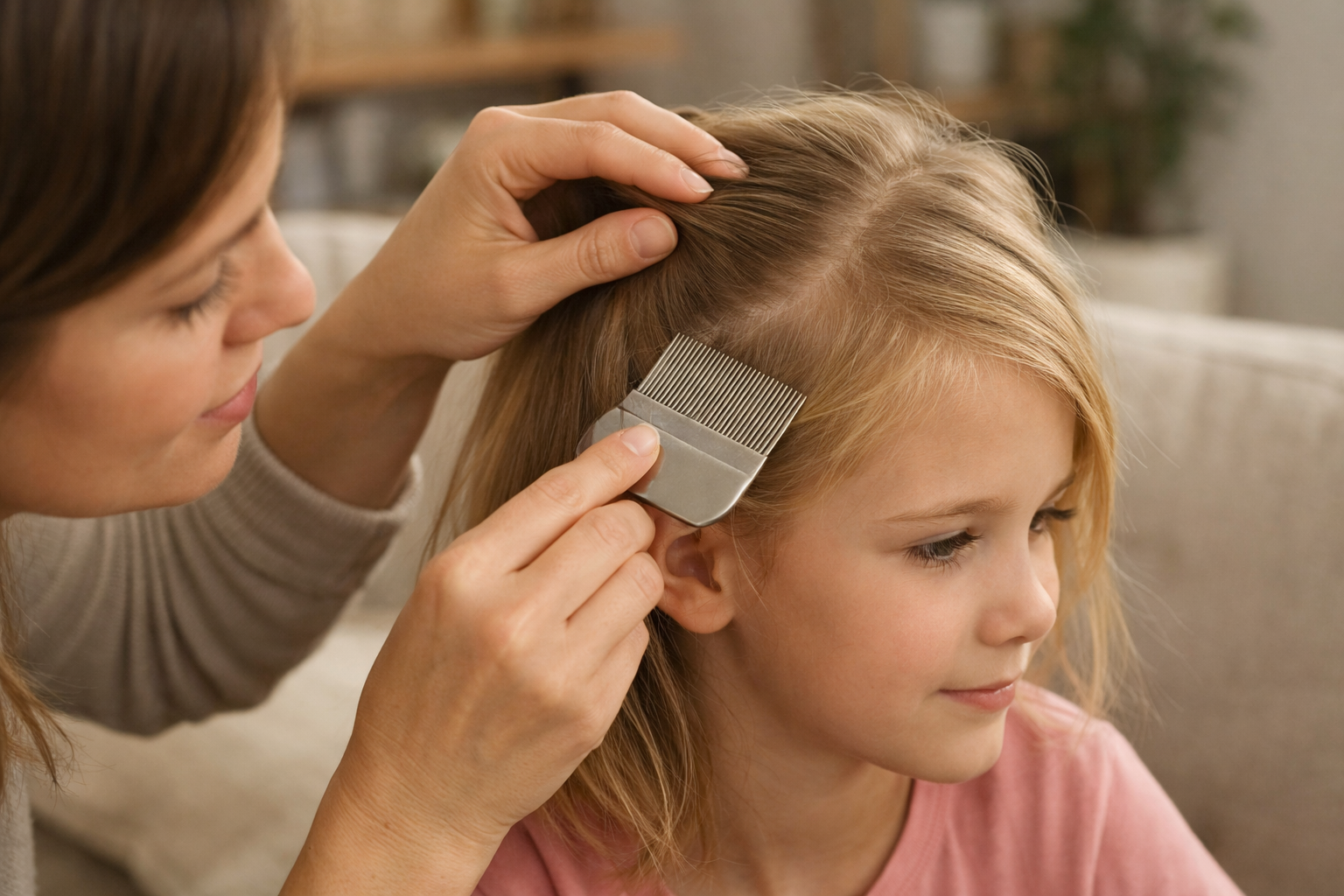
Because lice reproduce quickly, timing really matters. What starts as just one or two lice can turn into a much bigger problem in a short amount of time.
A single adult louse can lay several eggs each day. Within two weeks, the number of lice can grow significantly, and within a month, it can become a full infestation if left untreated.
The good news is that the earlier lice are found, the much easier they are to remove.
This is why LiceDoctors recommends doing routine checks, especially after activities where close contact is common, such as:
- Camps
- Sleepovers
- Travel
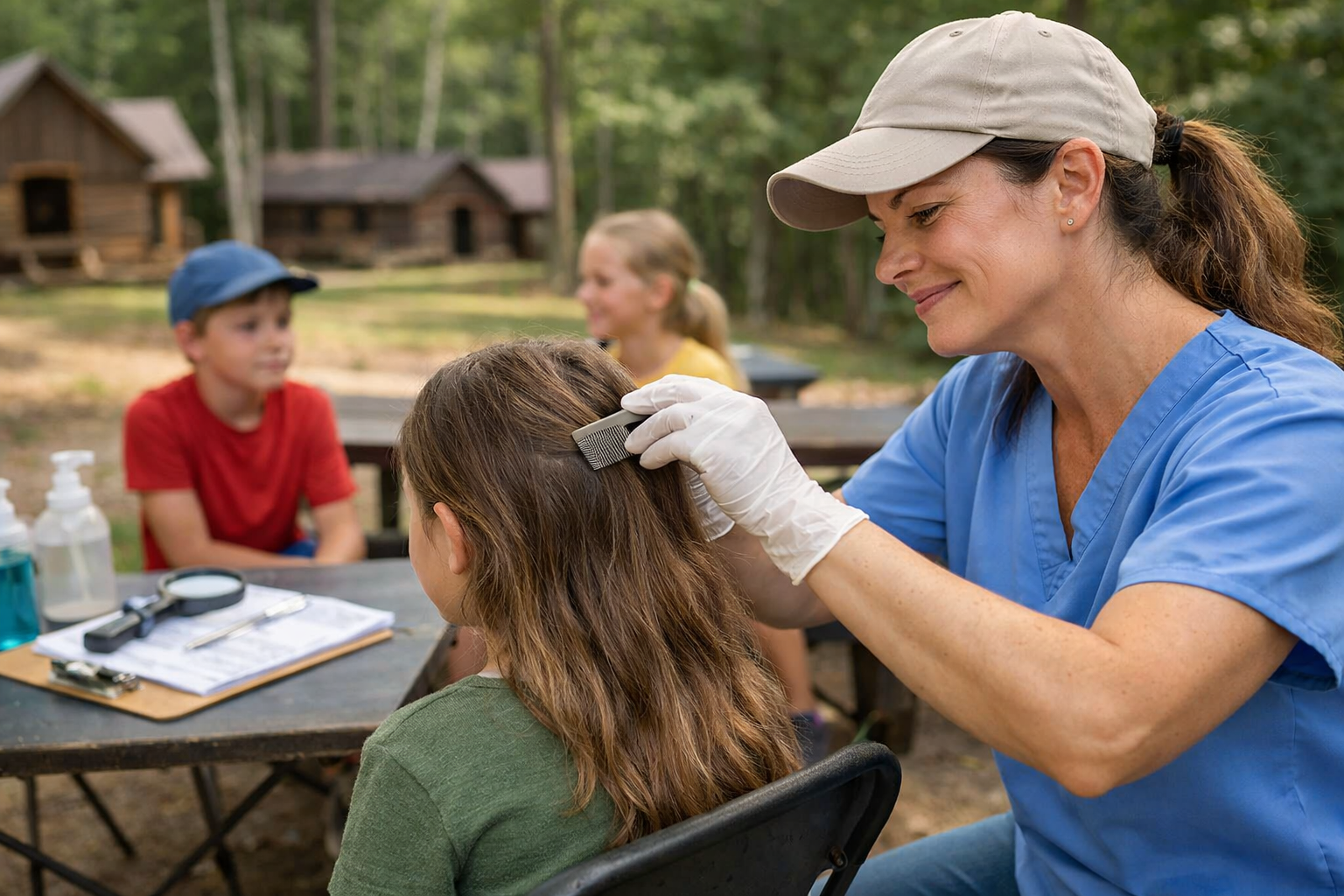
For added peace of mind, LiceDoctors also provides Head Lice Screening Services for camps, schools, daycare centers, senior homes, and social service organizations to help detect lice early and reduce the risk of outbreaks.
Signs of Lice to Watch For
Some children feel itching right away, but others may not notice anything at all. That is why regular visual checks are so important, especially during active seasons like spring and summer.
Here are some common signs to look for:
- Itching around the scalp, especially behind the ears or near the neck
- Small red bumps or irritation from scratching
- Nits are attached to the hair close to the scalp
- Tiny lice are moving quickly through the hair
Be sure to check carefully in areas where lice are most commonly found:
- Behind the ears
- Along the back of the neck
- Around the crown of the head
How to Check for Lice at Home
You do not need any special tools to check for lice, but using the right technique makes a big difference.
Here is a simple and effective way to do it:
- Start with damp hair and apply conditioner to make combing easier
- Use a fine tooth lice comb and work in small sections
- Begin at the scalp and slowly comb outward to the ends
- After each pass, check the comb carefully for lice or nits
- Focus on areas behind the ears and along the neckline, where lice are often found
Take your time and work under good lighting so you do not miss anything.
What Actually Works for Lice Treatment
There are many products and home remedies available, but not all of them are effective.
Effective options include:
- Professional lice removal services
- Careful and thorough combing
- Follow up checks to remove remaining nits
Less reliable options include:
- Home remedies like oils or mayonnaise
- Inconsistent over-the-counter treatments
- Skipping follow-up care
At LiceDoctors, our treatment approach focuses on the complete removal of both lice and eggs. This helps reduce the risk of reinfestation and gives families peace of mind.
For complete and reliable results, many families choose professional help instead of trying multiple home remedies. Learn more about our professional lice treatment services to make sure every lice and nit is removed properly.
Why Families Choose Professional Lice Treatment
Many families try to handle lice on their own and end up dealing with repeated outbreaks.
This usually happens because:
- Eggs are missed
- Treatments are not done thoroughly
- Lice return after incomplete removal
LiceDoctors has treated thousands of families, and we know how stressful lice can be. Our professional technicians provide in-home treatment that is thorough, safe, and effective.
This saves time, reduces frustration, and helps families get back to normal quickly.
Prevention Tips During Warmer Months
You do not need to worry constantly, but a few simple habits can go a long way in reducing the risk of lice, especially during busy spring and summer months.
Avoid head-to-head contact
Encourage children to be mindful during play, group activities, or even when taking photos together, since lice spread most easily through direct contact.
Do not share personal items
Items like brushes, hats, helmets, and hair accessories can transfer lice from one person to another, so it is best to keep these personal.
Do regular checks
A quick weekly check can help you catch lice early before they have a chance to spread or multiply.
Keep long hair tied
Styles like braids or ponytails can help minimize hair contact and make it easier to manage and inspect.
The Emotional Side of Lice
Many parents feel embarrassed, stressed, or even overwhelmed when lice appear, especially if it happens unexpectedly. It is completely normal to feel this way, but it is important to understand that lice have nothing to do with cleanliness.
In fact, lice often prefer clean hair because it is easier for them to attach and move along the hair shaft.
We work with families every day who are dealing with the same situation. The good news is that lice are very common and completely manageable. With the right approach, they can be treated quickly so your family can get back to normal without added stress.
Frequently Asked Questions
Do lice spread faster in warm weather?
Not directly, but increased social interaction can lead to more cases.
Can sunlight kill lice?
No. Lice stay close to the scalp, where sunlight does not reach.
Are lice worse in summer or winter?
Lice can occur year-round. The risk depends more on contact than temperature.
Can lice live on furniture outside?
Lice do not survive long away from the scalp and are unlikely to spread through surfaces.
Lifecycle of Lice in Warm Weather
- The lifecycle of lice includes eggs, nymphs, and adults
- Warm weather does not kill lice
- Increased activities in spring and summer can lead to a more widespread transmission
- Early detection makes treatment easier
- Professional treatment helps prevent recurring infestations
Get Expert Help from LiceDoctors
Understanding the lifecycle of lice makes it easier to catch and treat infestations early, especially as the weather warms and social activities increase. With the right approach, lice can be managed quickly and without unnecessary stress.
LiceDoctors provides professional, in-home lice treatment that is safe, thorough, and guaranteed to work. Our experienced technicians have helped thousands of families eliminate lice with confidence.
If you need fast and reliable help, you can learn more about our in-home lice treatment service and schedule an appointment at your convenience.