.svg)
.svg)


The incidence of lice infestations varies among districts; in some schools, occasional cases are cropping up, while other schools are dealing with full-blown outbreaks. Parents often blame the school for the outbreak, one way or another.
One elementary school principal called us recently, overwhelmed because so many cases were discovered in so many classrooms that she begged us to come into the school over the weekend and do whatever was necessary to kill all the lice and stop the outbreak. But as we spoke with her, it became apparent that her fears about head lice living in the school were unfounded. Based on years of providing lice removal services, we will give you a guide for head lice in schools.
What Are Head Lice?
Head lice are tiny, wingless insects that are parasites found on the head of humans. They feed on the blood of the scalp and lay eggs on the strands of a child's hair or an adult's hair. The eggs that are laid are secured by a very strong glue and are difficult to remove. Live lice do not fly or jump and they don’t carry infectious diseases. They are unrelated to personal hygiene and are spread most commonly by way of direct head-to-head contact with another person with an active infestation which is defined as the presence of live lice.

How Do Lice Spread In A Classroom?
During the school year, we see plenty of cases of head lice infestation. This is not due to a lack of cleanliness or a need to vacuum carpets; the real reason kids get these parasites so often during school time is because they are in close contact to other children who may have a head lice infestation. This is a typical school scenario:
You treat your child with a chemical lice shampoo and you assume she is lice-free so you send her back to school. Unfortunately, she still has some nits (lice eggs) that have blended into her hair. As the nits hatch, and the bugs mature, these crawling lice move from your child's head to another child as they are sitting in a circle or putting their heads together for an art project. This scenario gives the live head lice plenty of opportunity to move from one human head to another host.
School Lice Policy
Many schools now allow children with live bugs to remain until the end of the day so as to avoid stigma and missed class time. School policies have become more lenient based on recommendations from the medical community including both the American Academy of Pediatrics and the National Association of School Nurses stating that too many children were missing school due to this nuisance. With increasing numbers of schools eliminating the "no nit policy," more children may be passing lice on to their classmates. In addition, since the chemical treatments often fail to work, increasingly kids come to school post-treatment and within a few days they are contagious again and it is likely they will share with other kids.
1. Attending School with Head Lice
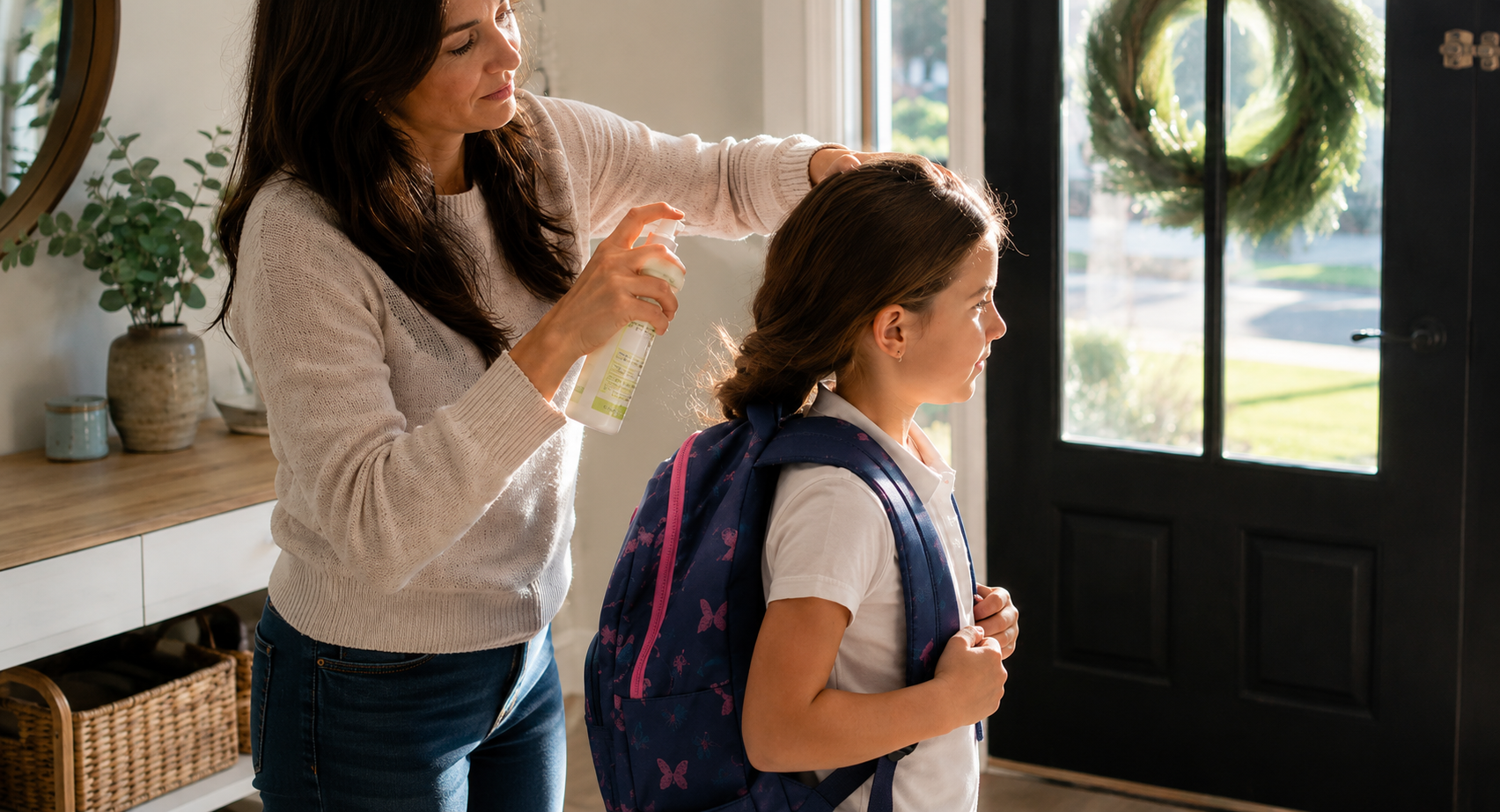
If your school policy is lenient, you may wonder if your child can go to school with lice: the answer is not straightforward. The risk of going to school with lice depends on the age of the student, as the physical closeness of their social interactions changes with maturity. The older the student, the less likely they are to pass on a case to school as they usually are not sitting head to head like some children. The best strategy is to get a lice professional to clear your child's hair but if you choose not to do this, have your child wear her hair up, coat the hair with a mousse, gel, or lice repellant spray, and advise her not hug anybody.
2. Notifying the School About Head Lice
Although not required, we urge parents to notify the school if their child has lice. Informing the school will definitely reduce your child's chances of getting lice again and help to alert faculty and other parents that there may be an outbreak. Overall, it can help to stop a lice outbreak before it gets bad.
3. Returning to School After Lice Treatment

After your child has been treated successfully, it is safe for them to return to school. Schools developed no-nit policies in an attempt to contain outbreaks, but treating lice can be challenging, and often parents treated over and over again just to have the school nurse send them home for having 1 or 2 nits left in the hair. That is why many schools dropped this policy.
If you are contemplating what to do after lice treatment, the answer to when you can return to school depends on the efficacy of the treatment; that time frame may vary, but if LiceDoctors treats your family members, they are safe to return to school the next day. There will be no live lice in the hair and even if a couple of nits remain, those are not contagious. Your aftercare plan will eradicate those.
Parents' and School Responsibilities
A single child with an active infestation of head lice can spread adult lice to anyone they come into contact with. Therefore, ensuring that a child does not facilitate the spread of head lice in schools is a team effort on the part of the parents of the infested child as well as the school they attend. When both do their part, they can minimize the contagion.
How to Avoid Back-To-School Head Lice: Top 4 Tips for Parents
As children head back to school, preventing head lice becomes a top priority for parents. It’s key to understand the importance of lice prevention in maintaining a healthy learning environment, and our team at LiceDoctors is here to help. Discover effective strategies to keep your child lice-free with these top four tips. Take action now to safeguard your child's well-being!

1. Conduct Regular Lice Checks at Home
How to check for lice at home effectively? It sounds simple, but one of the most effective ways to prevent the spread of head lice is by conducting regular checks at home. Make it a routine to inspect your child's scalp thoroughly, especially after they’ve been in close contact with other children, such as at school or during extracurricular activities.
Using a fine-toothed comb, part the hair in small sections and examine the scalp and hair strands for any signs of lice or nits (lice eggs). Keep in mind that lice are tiny and move quickly, so a keen eye and patience are necessary during these checks. By catching lice early, you can prevent them from spreading to other family members or classmates.
2. Inspect Household Items and Clothes (Optional)
Head lice can survive for a very short period of time off the human scalp, so it's crucial to inspect household items and clothes that may have come into contact with an infested individual. Though not strongly required — you can wash bedding, hats, scarves, and clothing items that have been worn recently in hot water and dry them on high heat.
Regularly vacuuming upholstered furniture, carpets, and car seats can also help remove any stray lice or eggs that may have fallen off. Although tedious, you should clean your home after a lice infestation to prevent re-infestation.
3. Use Hairstyles to Tie up Long Hair
Long hair provides more opportunities for lice to transfer from one person to another, so keeping your child's hair tied up in hairstyles to prevent lice can help reduce the risk of infestation. Encourage your child to wear their hair in braids, buns, or ponytails, as these styles minimize the chances of lice coming into contact with other children's hair. Additionally, applying a small amount of hair gel or mousse can make it more difficult for lice to cling onto hair strands. Remind your child to avoid sharing hair brushes, combs, hats, and other personal items that may come into contact with their hair.
4. Educate Your Child on How to Stop Head-To-Head Contact

Prepare to tackle back-to-school challenges head-on, starting with the pesky problem of head lice. As parents, safeguarding our children from these tiny nuisances requires strategic planning and proactive measures. Empower your child with knowledge on how to avoid head-to-head contact, one of the primary ways lice spread. Here are 10 practical tips to arm your family against the itch-inducing invaders and keep those scalps lice-free:
- Encourage personal space during group activities to avoid head-to-head contact: Teach your child to maintain a comfortable distance from others during group play or activities.
- Remind kids not to share hair brushes and accessories with friends: Emphasize the importance of using their own hair care items to prevent lice transmission.
- Avoid resting heads on shared surfaces like classroom carpets: Instruct your child to avoid laying their head on surfaces where lice could transfer from one person to another.
- Discourage sharing of earphones or earbuds in school: Explain to your child the risk of lice transmission through shared items like earphones, and encourage them to use their own.
- Advise against sharing hats, helmets, hoodies, and scarves: Teach your child the importance of keeping personal items like hats and scarves to themselves to prevent lice from spreading.
- Limit sleepovers during peak lice seasons: Consider reducing sleepover activities during times when lice infestations are more prevalent.
- Remind kids to avoid selfies involving head-to-head contact: Encourage your child to take selfies from a distance to prevent direct head contact with friends.
- Opt for alternative greetings like waving or fist bumps: Teach your child to greet friends without direct head contact to minimize the risk of lice transmission.
- Keep open communication about lice prevention: Have regular conversations with your child about the importance of preventing lice and how they can take proactive steps to avoid it.
- Lead by example with good hygiene habits: Demonstrate proper hygiene practices to your child, such as regular hair washing and avoiding sharing personal items, to reinforce healthy habits.
By implementing these simple yet effective strategies, you're not just preventing lice infestations but also fostering a culture of mindfulness and personal hygiene among your children. Remember, staying lice-free is a team effort that requires communication, education, and consistent habits. Together, let's keep our heads clear and our spirits high as we navigate the school year with confidence, knowing that we've equipped our families with the tools needed to stay ahead of the lice game. Here's to a lice-free and worry-free school year ahead!
Lice Prevention Products to Survive Peak Lice Season

Prepare your child for a lice-free return to school with effective prevention methods from our team at LiceDoctors. One of the easiest lines of defense is having the best products on hand. Keep your family itch-free and focused on learning. Start your prevention routine today!
1. Lice Repellent Spray
Lice repellent sprays are a popular choice among parents and school administrators alike in the fight against head lice infestations. These sprays typically contain natural ingredients such as tea tree oil, peppermint oil, or neem oil, known for their repellent properties against lice. The convenience of a spray application makes it easy to use, whether it's for a quick spritz before heading out the door in the morning or for use on backpacks and clothing.
Regular application of lice repellent spray forms a protective barrier around the hair and scalp, making it less appealing for lice to attach and lay eggs. It offers peace of mind for parents knowing they’re being proactive in preventing their children from bringing lice home from school. Plus, these sprays often have a pleasant scent, so they’re more appealing to children while effectively serving their purpose of repelling lice.
2. Lice Prevention Shampoo
Lice prevention shampoos are specifically formulated to help keep lice at bay, making them an essential part of any back-to-school lice prevention routine. Unlike traditional shampoos, lice prevention shampoos contain active ingredients such as tea tree oil, eucalyptus oil, or coconut oil, which have been shown to repel lice. Regular use of these shampoos can help maintain healthy hair and scalp while minimizing the risk of a lice infestation.
One of the key benefits of lice prevention shampoos is their ability to cleanse the hair and scalp while simultaneously creating a hostile environment for lice. By incorporating these shampoos into a child's regular hygiene routine, parents can take proactive steps to reduce the likelihood of lice infestations. As a bonus, many lice prevention shampoos are gentle enough for daily use, making them suitable for all hair types, including those with sensitive scalps.
3. Lice Conditioner

Lice prevention conditioners work hand in hand with shampoos to provide an extra layer of protection against lice infestations. These conditioners are enriched with natural ingredients like tea tree oil, lavender oil, or rosemary oil, known for their ability to repel lice and soothe the scalp. Parents can incorporate a lice prevention conditioner into their child's hair care routine to help keep their children's hair healthy and lice-free.
The conditioning properties of these products help to detangle hair, making it easier to comb through and identify any potential signs of lice or nits. Regularly using lice prevention conditioner not only helps to repel lice but also leaves hair feeling soft, smooth, and manageable. This dual-action approach makes it an effective tool in the fight against lice, providing both preventative and nourishing benefits for the hair and scalp.
4. Lice Prevention Hair Gel
Lice prevention hair gels offer a convenient and effective way to keep lice at bay, especially for children with longer hair or those who are particularly active. These gels are formulated with natural ingredients such as neem oil, citronella oil, or geranium oil, which have been shown to repel lice and prevent infestations. The gel consistency makes it easy to apply evenly throughout the hair, ensuring maximum coverage and protection.
One of the advantages of lice prevention hair gel is its long-lasting formula, providing continuous protection throughout the day. Whether a child is at school, playing sports, or attending extracurricular activities, the gel creates a barrier that deters lice from attaching to the hair and scalp. Additionally, many lice prevention hair gels are water-resistant, making them suitable for use during outdoor activities or on rainy days.
5. Lice Prevention Essential Oils
Essential oils have gained recognition for their natural repellent properties against lice, making them a popular choice for parents seeking alternative lice prevention methods. Oils such as tea tree oil, lavender oil, and peppermint oil are known for their ability to repel lice and deter infestations. When used in combination with carrier oils such as coconut oil or olive oil, essential oils can be applied directly to the hair and scalp for maximum effectiveness.
The versatility of essential oils allows parents to create custom blends tailored to their child's preferences and needs. Whether applied as a leave-in treatment, mixed into shampoo or conditioner, or used in a spray, essential oils offer a non-toxic and pleasant-smelling alternative to chemical-laden lice prevention products. Regular use of essential oils can help keep lice at bay while promoting healthy hair and scalp conditions for children of all ages.
How Long Should I Continue Using Enhanced Preventive Measures After Returning to School?

After returning to school, we advise you to continue using enhanced preventive measures for lice for at least 2-4 weeks. This period allows for any potential lice infestations to be thoroughly addressed and mitigated. Consistent application of preventive measures, such as regular hair checks, using repellent products, and minimizing head-to-head contact, during this timeframe helps to break the lice transmission cycle effectively. To further protect against infestations, we encourage you to maintain vigilance beyond this period to promote a lice-free environment.
Parents' Responsibilities
Treatment at home is very important. Parents should ensure that an infestation is completely eradicated, which includes removing all of the live head lice as well as the lice eggs. This is no simple task, but successful treatment of a child’s head is possible. Whether the child has short or long hair, check for sesame seed-sized bugs and nits, especially around the ears, and remove what you see. Comb through wet hair. If the child is treated properly, in addition to a thorough check on all family members and treatment where necessary, that child will not spread lice to their peers.
What Do Schools Do to Prevent Lice Spreading?
Schools are battlegrounds against the tiny invaders known as lice. To keep these pests at bay and ensure a hassle-free learning environment, schools deploy a range of preventive measures. From education to screenings and hygiene practices, here's how schools tackle the challenge of lice prevention head-on:
- Educational Programs: Schools often educate students, parents, and staff about lice prevention techniques, including proper hygiene, avoiding sharing personal items, and recognizing the signs of lice infestation.
- Regular Screenings: Some schools conduct periodic lice screenings to detect infestations early on. This helps to prevent widespread outbreaks and allows for timely treatment.
- Policies on Personal Items: Schools may have policies in place that discourage or prohibit the sharing of personal items such as hats, hairbrushes, and clothing, which can spread lice.
- Encouraging Proper Hygiene: Emphasizing the importance of regular hair washing and tying back long hair can help reduce the risk of lice transmission.
- Quick Response to Infestations: If a school identifies a case of lice, they often work with parents to ensure prompt treatment and to prevent further spread within the school community.
These proactive strategies help educational institutions safeguard the well-being of their students and staff while fostering a culture of cleanliness and responsibility. Together, through education, vigilance, and quick action, we can effectively combat the spread of lice and promote healthier learning environments for all.
School Responsibilities

Schools are responsible for doing what they can to protect children and employees in the school district as much as possible from head lice. This includes setting appropriate policies for returning to school once a case has been detected. Prior to setting these policies, school nurses, as well as school district personnel, should educate themselves to avoid unnecessary absenteeism. For example, children with the presence of lice eggs only, need not be excluded from school as nits are not contagious. The American Academy of Pediatrics is in favor of removing no-nit policies from schools. Information such as this should be considered carefully to craft an effective policy for the district.
School Nurses Responsibilities
Health care providers employed by the school district, such as school nurses, have many responsibilities. One of which is detecting infestations in classrooms. Whether performing these checks themselves or bringing in a service to check classrooms, regular screenings can aid in the early detection of lice cases, which are easier to treat and will aid in the control of head lice in school communities. Because of this, the school nurse and/or school health aide should be knowledgeable about lice, their eggs, and how to identify them.
How to Prevent Lice at School?

Preventing lice at school is key to keeping families free of lice and nits. Nobody with hair is immune to head lice, so here are some strategies to prevent lice at school:
- Parents should do regular head lice checks for the whole family even if no one has symptoms.
- When checking, make sure you have plenty of bright light and look closely at the hair shafts.
- Note that crawling lice move quickly so you are more likely to find nits than live lice.
- To do a more comprehensive check, apply oil to the hair and using a quality lice comb, start at the scalp and comb down the hair shaft.
- If you find a lice infection, we recommend that you soak combs, hair brushes, and hair accessories in hot water and soap or place them in the freezer over night.
- Medicated shampoos and other chemical lice treatments are often ineffective as the lice are resistant. Appropriate lice treatment products are a fine tooth comb and olive oil which will kill crawling lice and loosen many nits.
- Keep in mind, that while head lice are a nuisance, you do not have to worry about disease control; these sesame seed size bugs do not spread disease.
Use Lice Experts for School Head Checks!
Don't let a head lice outbreak get out of control; call in the experts at LiceDoctors for a class head-check as soon as the trend becomes apparent. A team of experienced LiceDoctors professionals will be able to quickly identify the students who need to be treated, and you can confidently refer positive cases for our fully guaranteed in-home lice treatment service. For small groups, we can often even treat on-site! Give us a call at 800-224-2537 or visit our website to learn more about our school and camp checks and lice removal treatment service today.