.svg)
.svg)



Winter is the season of cozy family gatherings, holiday celebrations, and reconnecting with relatives you may not see often. Amid the warmth and joy of these visits, there’s sometimes an unspoken concern: head lice. While lice are more common among children, anyone can get them, and winter doesn’t make us immune.
The good news? With a little preparation, awareness, and practical habits, you can enjoy your family visits without bringing unwanted guests home. This guide walks you through friendly, easy-to-follow tips to stay lice-free after visiting relatives, helping your family enjoy the holidays stress-free.
Why Head Lice Are a Concern During Winter Visits
Many people assume lice only spread in schools or summer camps, but winter family visits can actually increase the risk. Why?
- Indoor Gatherings: Winter often keeps us indoors, sharing warm, cozy spaces. Close contact in living rooms, kitchens, or bedrooms makes it easier for lice to transfer from one person to another.
- Shared Winter Gear: Hats, scarves, gloves, and coats are all potential carriers. Lice can cling to fabrics, especially those that come into contact with hair.
- Longer Contact Time: Holiday visits are often longer than casual playdates, giving lice more opportunity to spread.
Despite these factors, it’s important to remember: lice are not a reflection of cleanliness. They are opportunistic parasites that can affect anyone. The key is prevention and early action.
How Lice Spread During Family Visits
Understanding how lice spread is crucial to preventing them. Lice cannot fly or jump; they move by crawling. They mainly spread through:
- Direct head-to-head contact: This is the most common way. Hugging, leaning close during conversation, or playing with cousins can all transmit lice.
- Sharing personal items: Hats, scarves, hairbrushes, hair accessories, headphones, or even pillowcases.
- Furniture and bedding: While less common, lice can survive on upholstered furniture, pillows, and bedding for up to 48 hours.
By knowing the main routes, you can take focused steps to reduce the risk.

Pre-Visit Preparation: Laying the Groundwork
Before heading to relatives’ homes this winter, a little preparation goes a long way.
1. Keep Hair Managed
Tightly braiding long hair or pulling it into a bun can reduce the chance of lice reaching your scalp. Short hair is naturally less prone, but don’t ignore it, lice can still attach to short hair.
2. Pack Personal Items Separately
Bring your own combs, hairbrushes, hats, and scarves. Avoid borrowing or sharing these items, even for short periods.
3. Consider Protective Styles for Kids
If you have children, consider simple protective hairstyles like ponytails or braids. It reduces hair-to-hair contact during indoor play.
4. Talk About Lice Without Stress
Sometimes a gentle conversation with relatives helps. You can casually remind them about avoiding hat sharing or ensure their children check for lice before visits.
During Your Visit: Smart Habits to Stay Lice-Free
Once you’re at your relatives’ home, it’s all about smart, low-stress habits. Here’s what works:
1. Avoid Head-to-Head Contact
It may sound strict, but gently discouraging prolonged head contact can make a big difference. For example, encourage kids to sit side by side or engage in activities that don’t require leaning in.
2. Keep Hats and Scarves Separate
Use coat hooks or separate cubbies for hats, scarves, and winter coats. Avoid stacking clothing or sharing lockers if visiting a crowded household.
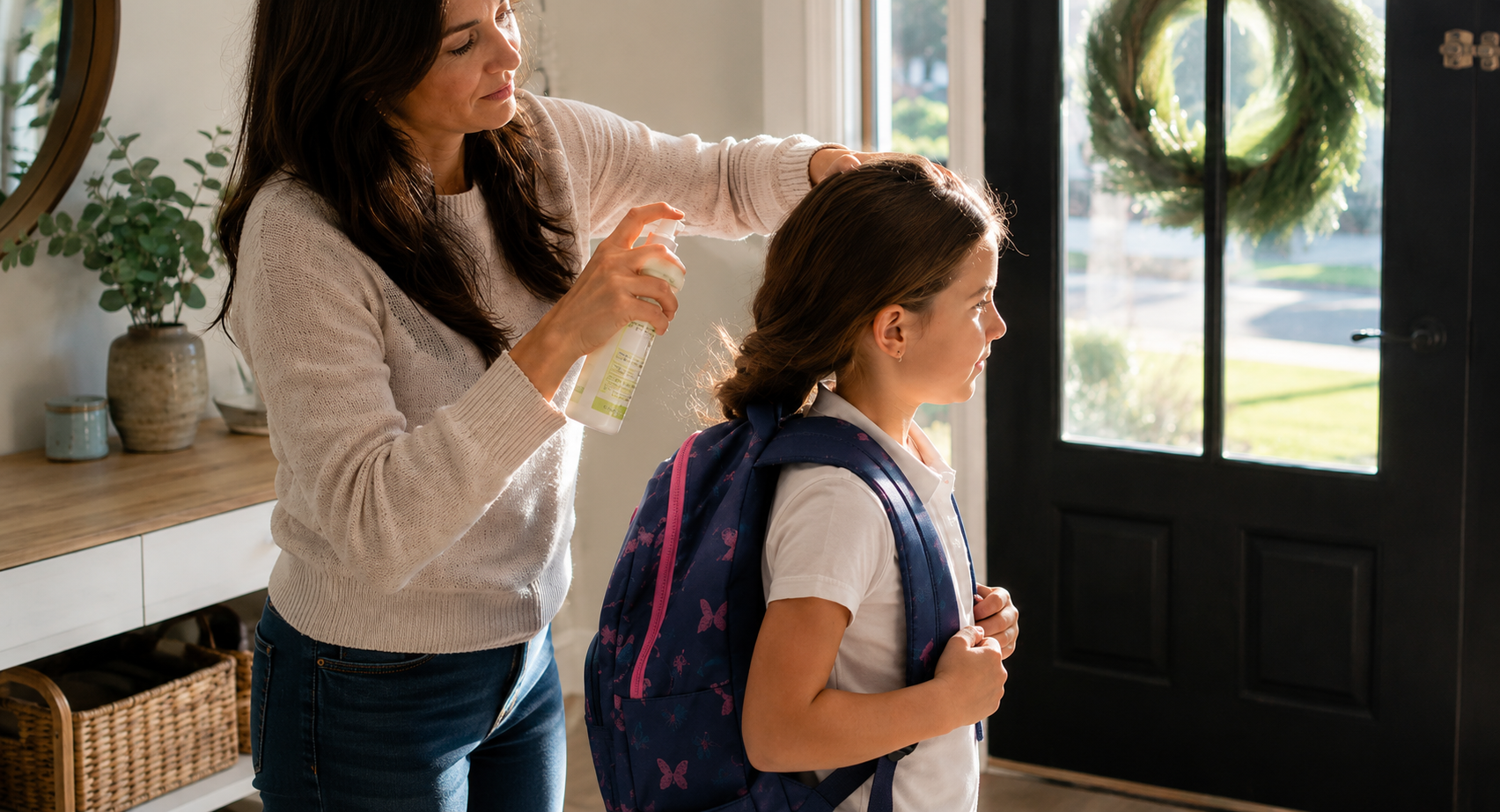
3. Use a Leave-In Hair Product
Some parents find that leave-in conditioners or hair detanglers make it harder for lice to attach. While not foolproof, it adds an extra layer of protection.
4. Monitor Kids’ Hair Throughout the Visit
Quickly checking your children’s hair after indoor play is a proactive way to catch lice early. Look for live lice or nits near the scalp, particularly behind the ears and at the nape of the neck.
5. Encourage Clean Communal Areas
If possible, keep bedding, pillows, and upholstered furniture clean. Lice survive best on hair, but surfaces in high-contact areas can harbor them for a short period.
After the Visit: Vigilant Check-Ups
Once you return home, don’t panic. A quick routine check and some preventative steps are enough to keep lice from taking hold.
1. Conduct a Thorough Hair Inspection
Use a fine-tooth lice comb to inspect hair for lice or nits. Work in sections under good lighting, starting at the scalp and moving outward.
2. Wash Winter Gear Promptly
Hats, scarves, coats, and gloves should be washed or at least quarantined for 48 hours in a sealed bag. Lice cannot survive long without a human host.
3. Launder Bedding and Towels
Wash sheets, pillowcases, and towels used during your visit in hot water and dry on high heat. This kills any stray lice or nits.
4. Encourage Children to Shower Soon After Returning
A simple warm shower helps wash away any lice that may be clinging to hair or scalp.
Signs to Watch For
Being familiar with early signs of lice infestation helps you respond quickly:
- Persistent itching, particularly around the nape of the neck and behind the ears
- Small white nits (lice eggs) attached near the scalp
- Feeling something crawling in the hair
- Red bumps from lice bites on the scalp or neck
Catch lice early, and you’ll save yourself days of stress and treatment.
Winter-Specific Considerations
Winter brings unique challenges, and a few opportunities, when it comes to keeping your family lice-free. The colder months often change routines, indoor spaces, and how children interact, so a little extra awareness can go a long way.
- Hats and Headwear
Winter hats, beanies, and headbands are essential for warmth, but they can also be a conduit for lice. Each family member should use personal, clearly labeled hats to avoid accidental swaps. Encourage children to keep their hats on their own heads and avoid trying on friends’ or cousins’ winter gear, even indoors. Teaching kids the habit of placing hats on hooks or their own cubbies helps minimize risk without making it feel restrictive. - Dry Air and Static
Heated indoor spaces can dry out hair, causing static clinging that makes hats, scarves, and blankets stick to hair more than usual. This increases the chance of hair-to-hair contact when kids cuddle, pile under blankets, or sit close together during indoor play. Keeping long hair tied back in braids, buns, or ponytails and encouraging children to sit side by side instead of leaning heads together can significantly reduce the risk. A lightweight leave-in conditioner or detangler can also help reduce static and make hair less “grabbable.” - Indoor Play and Close Quarters
Snow, rain, or freezing temperatures often push children indoors for extended periods, creating high-contact environments where lice can spread more easily. Planning structured activities that allow some physical distance, like board games, arts and crafts, or supervised play in separate rooms, can reduce hair-to-hair contact without limiting fun. Even small adjustments, like rotating seating or using individual blankets during storytime, can make a big difference.
Tip: Winter doesn’t have to mean a higher risk of lice, just a little planning, awareness, and consistent habits go a long way toward keeping your holidays cozy and stress-free.
Myths About Lice and Winter
It’s important to separate fact from fiction:
- Myth: Only dirty hair gets lice.
Fact: Lice affects clean and dirty hair equally. They are looking for a scalp to feed on, not hygiene habits. - Myth: Lice jump or fly.
Fact: Lice crawl. They spread through direct contact or sharing personal items, not by jumping. - Myth: Winter kills lice naturally.
Fact: Lice survives well in indoor winter environments. Cold outdoor air doesn’t affect them if they’re on heads or clothing indoors.
How LiceDoctors Can Help
Even with the best precautions, lice can sometimes sneak in during family visits. That’s where LiceDoctors comes in. We provide comprehensive, professional, and gentle care to ensure your family stays lice-free.
1. Head Lice Screening Procedure
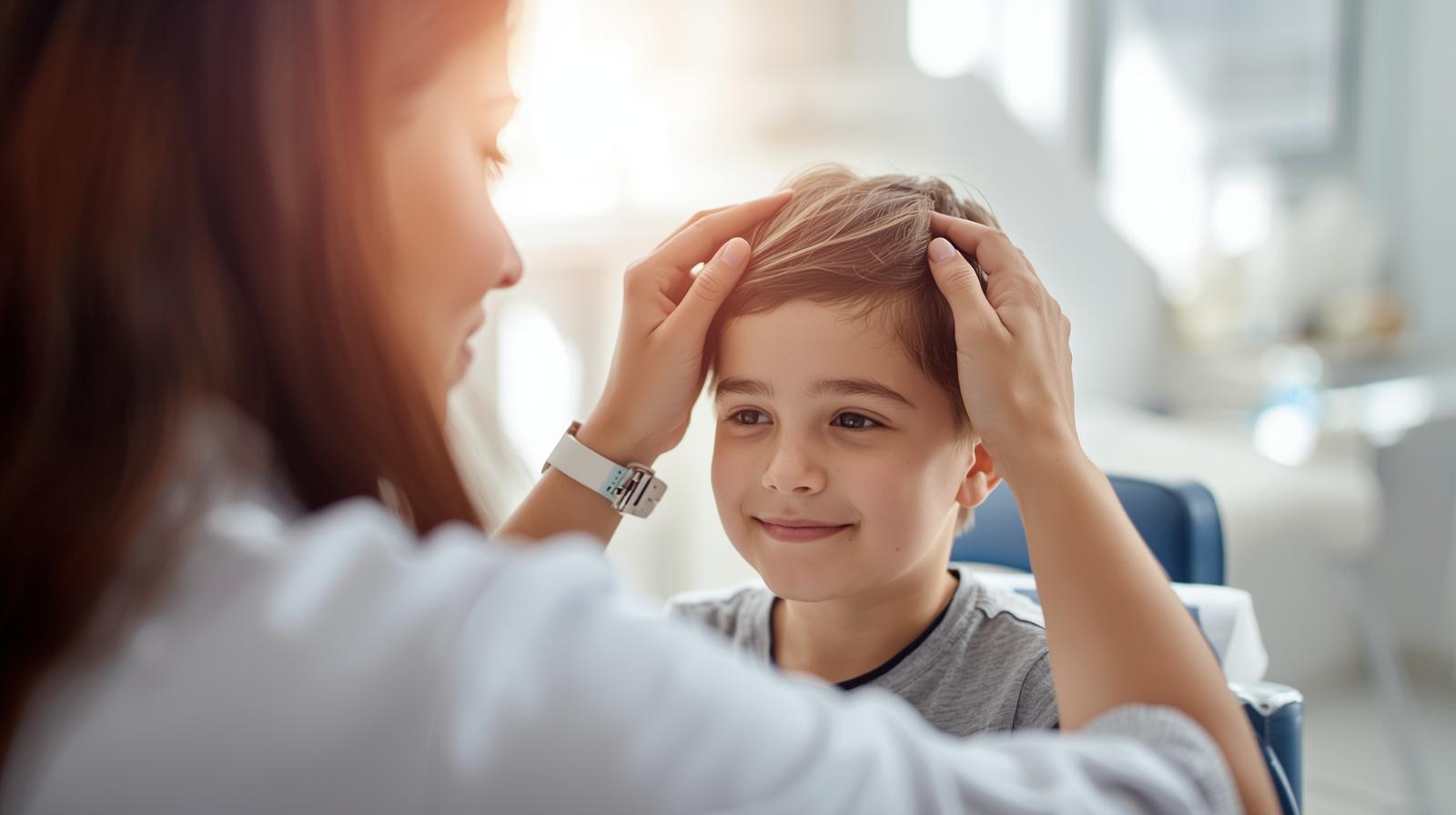
Our process begins with a thorough head lice screening, the most important step for prevention and early detection.
- Our trained professionals inspect the scalp and hair for live lice and nits (lice eggs), paying close attention to common areas like behind the ears, the nape of the neck, and around the crown.
- Screening can be done in-home, at schools, camps, or daycares, providing comfort and privacy for children and adults alike.
- Early detection allows us to intervene before an infestation spreads, saving families time, stress, and potential discomfort.
2. Lice Treatment Process
If lice or nits are detected, we provide a gentle, step-by-step removal process:
- Combing and Removal: We use professional-grade, fine-tooth combs to carefully remove lice and nits from hair strand by strand.
- Safe, Effective Products: When needed, we apply LiceDoctors’ specially formulated lice treatment products designed to work without harsh chemicals, ensuring a gentle experience for all ages.
- Follow-Up Checks: After the initial removal, we conduct a follow-up inspection to make sure all lice and nits are eliminated, giving you peace of mind.
- Education & Prevention: Families receive practical tips on avoiding re-infestation, including hair care strategies, proper laundering of bedding and clothing, and safe use of hats and accessories.
3. LiceDoctors Lice Treatment Products
Our Lice Treatment products are safe, effective, and designed for gentle use:
- Non-toxic, chemical-free solutions suitable for children and sensitive scalps.
- Formulated to tackle both lice and nits for long-lasting results.
- Used alongside professional combing to ensure complete removal in one session whenever possible.
4. Personalized Treatment Plans
Every family is different, and so is every lice situation. Our professionals tailor treatment plans to meet your specific needs:
- One-time in-home treatment or ongoing monitoring, depending on the severity.
- Advice on prevention, household cleaning, and school or daycare protocols.
- Support for families who want to avoid harsh chemicals or repeat infestations.
Schedule a LiceDoctors appointment today and let our trained professionals provide gentle, thorough, and effective lice removal right in your home, ensuring your family enjoys a stress-free, lice-free winter.
Reassuring Tips for Families
It’s natural to feel anxious about lice, especially around family holidays. Remember:
- Being proactive is more effective than being reactive.
- Checking hair regularly is easier than dealing with a full-blown infestation.
- Lice are common and manageable; having them is not a sign of poor parenting.
- Early intervention prevents the stress from snowballing.
Quick Winter Lice-Prevention Checklist
Here’s a handy summary to keep your family lice-free after visiting relatives:
Before the Visit:
- Braid or tie up long hair.
- Pack personal combs, hats, and accessories.
- Talk gently about lice precautions with relatives if needed.
During the Visit:
- Minimize head-to-head contact.
- Keep hats and scarves separate.
- Consider leave-in conditioners for extra protection.
- Monitor children’s hair periodically.
After the Visit:
- Inspect hair with a fine-tooth comb.
- Wash hats, coats, scarves, and gloves.
- Launder bedding and towels.
- Encourage a warm shower immediately upon return.
Final Thoughts
Visiting relatives in the winter should be about warmth, laughter, and family connection, not worrying about lice. With awareness, preparation, and gentle vigilance, you can protect your family without stress.
LiceDoctors is here to help if you need professional assistance, giving you peace of mind so you can focus on what really matters, making memories this winter.
Remember: lice are manageable, and prevention is achievable. A little preparation goes a long way, keeping your holidays cozy and lice-free.