
.svg)
.svg)



Spring is here, and with it comes the excitement of youth sports. From baseball and softball to lacrosse and soccer, kids are back on the field building skills, friendships, and confidence.
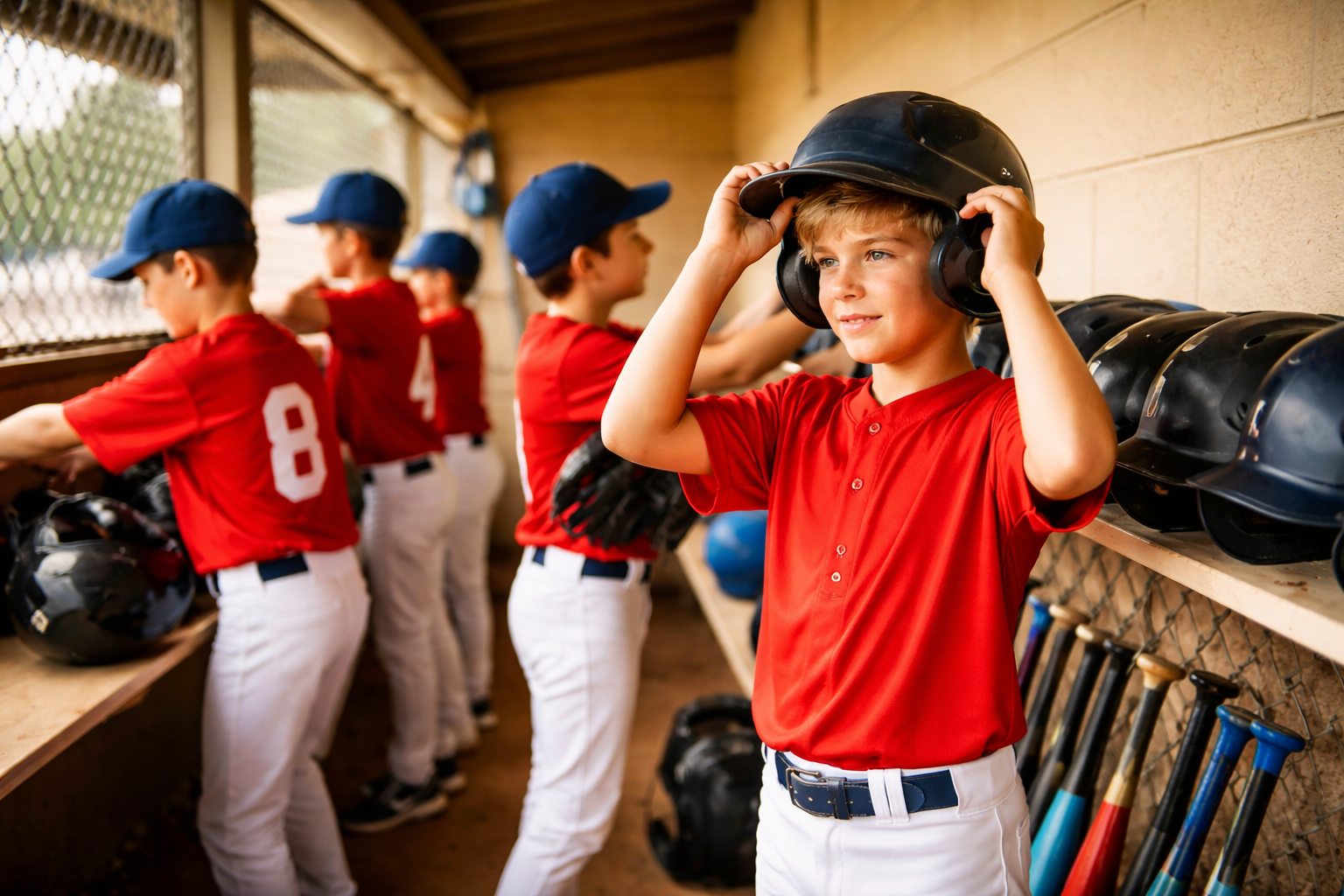
But along with all that activity comes something many parents do not immediately think about. Shared gear. Helmets and caps are used over and over again by different players, often in quick succession.
If you have ever watched a practice, you have probably seen kids grab the nearest helmet or swap caps without thinking twice. It is convenient, but it can also create an opportunity for head lice to spread.
The good news is that your child does not have to sit out the season. With a few simple habits, you can lower the risk and keep things stress-free.
Why Spring Sports Increase the Risk of Lice
Spring sports naturally involve close interaction. Kids huddle together, sit side by side, and celebrate after a great play.
At the same time, shared equipment is common. Helmets, caps, and even hair accessories can pass from one child to another during practice or games.
Lice do not jump or fly. They crawl. That means when heads are close together, or when items are shared shortly after use, lice can spread.
It is also important to remember that lice are not related to cleanliness. They spread through contact, not because something is dirty.
The Truth About Helmets and Caps
Helmets and caps do not cause lice, but they can play a role in how it spreads.
Lice can survive off the scalp for about 24 to 48 hours, which means there is a small chance of transfer if another child uses the same helmet or cap soon after.
This is not the most common way lice spread. Direct head-to-head contact is still the main cause. However, shared gear can increase the risk, especially during a busy sports season when items are used back-to-back.
Which Sports Are Most at Risk
Some sports involve more shared gear than others, which can increase the chances of lice spreading. The level of risk usually depends on how often equipment like helmets or caps are shared and how much close contact is involved.
Higher risk sports
Baseball and softball, lacrosse, football, and hockey tend to carry a higher risk. These sports often use helmets that are passed between players, sometimes within a short period of time.
Moderate risk sports
Soccer and basketball fall somewhere in the middle. There is less shared headgear, but players are still in close contact during games and practices.
Lower risk sports
Track and field, tennis, and swimming generally have a lower risk. There is little to no shared headgear, and contact between players is more limited.
Even in lower-risk sports, lice can still spread through close contact. The risk is just not as high compared to sports that involve shared helmets or caps.
Practical Tips for Managing Shared Helmets and Caps
You do not need to eliminate shared gear completely. In most cases, a few small changes can already make a big difference in reducing the risk of lice during sports season.
One simple and effective option is using a barrier. Having your child wear a thin skull cap or bandana under helmets creates a layer between their hair and the shared surface. It is an easy habit that can go a long way.
It also helps to label personal items whenever possible. If your child has their own cap or helmet, make sure it is clearly marked and remind them not to swap with teammates, even during quick moments in practice.
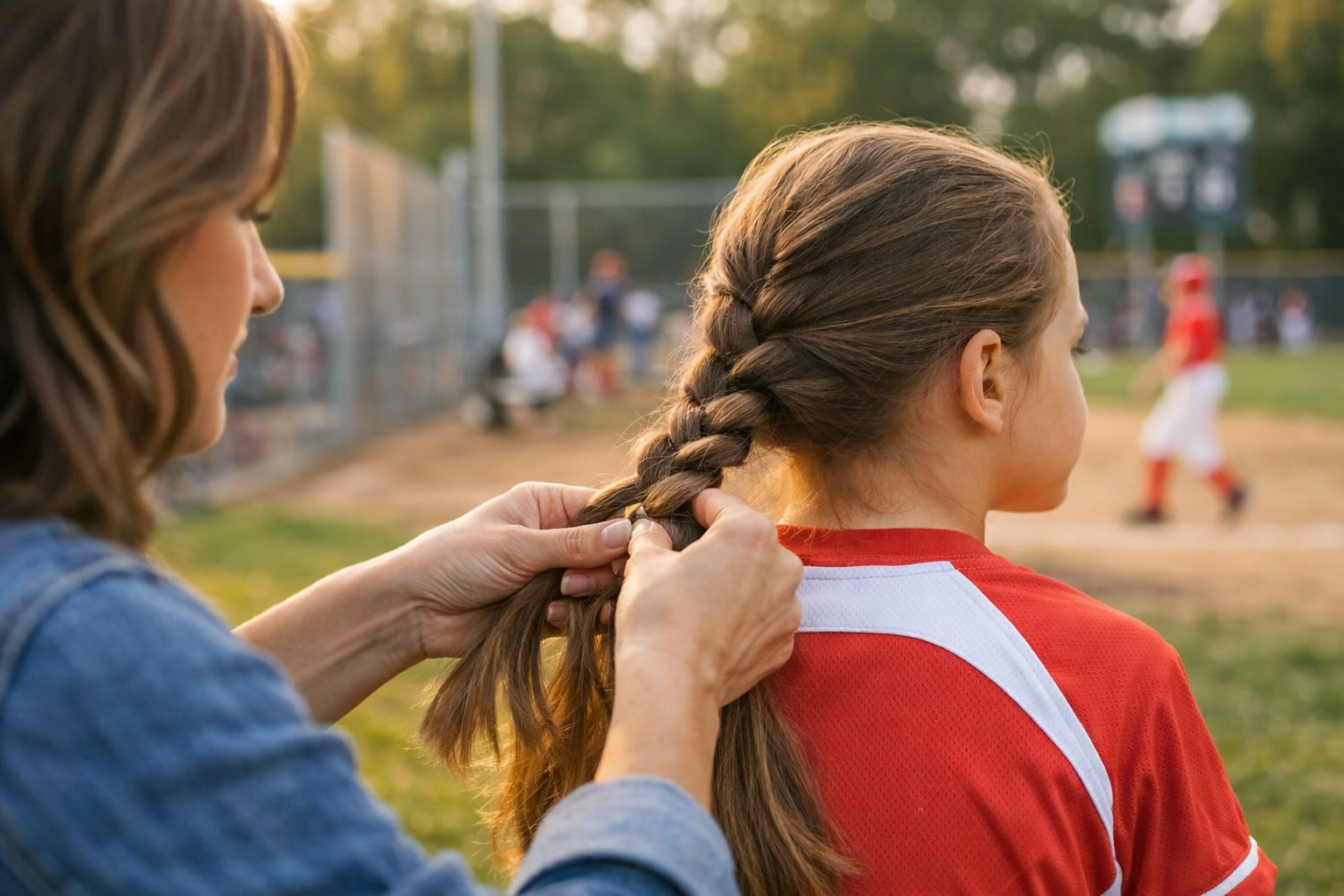
For children with longer hair, keeping it tied up can also reduce the chances of contact. Styles like braids or buns help keep loose strands in place and minimize exposure.
Another good habit is avoiding the sharing of personal items. Encourage your child to use only their own hats, brushes, towels, or headbands. Even quick sharing can increase the risk without them realizing it.
Finally, make it a routine to check your child’s scalp once a week during the season. Pay close attention to areas behind the ears and at the back of the neck, where lice are commonly found.
What Coaches and Teams Can Do
Coaches can also help reduce the risk with simple steps.
- Encourage players to bring personal gear when possible
- Allow helmets to air out between uses
- Limit unnecessary sharing of equipment
- Communicate with parents if there is a known case
These small actions can make a noticeable difference for the whole team.
What If There Is a Lice Case on the Team
Hearing about lice on the team can feel stressful, but it is very common among school-aged children.
Start by checking your child’s hair carefully. If you notice signs of lice or nits, it is best to address it right away.
Some families choose to handle it at home, while others prefer professional help. If you want a faster and more convenient solution, you can learn more about professional in-home treatment options at LiceDoctors.
Why DIY Treatments Can Be Frustrating
Over-the-counter treatments are often the first thing many families try, but they do not always solve the problem completely.
Some products do not fully remove nits, while others require multiple applications before you see results. In some cases, lice have also become resistant to certain treatments, which can make the process even more frustrating.
All of this can quickly turn into a time-consuming routine, especially when you are already juggling school, practices, and games.
If you prefer a more guided approach, some families choose to use professional-grade lice treatment products from LiceDoctors, which are designed to be effective while still safe for children. Others opt for hands-on professional treatment to save time and avoid the guesswork.
Keeping Sports Fun and Worry-Free
Sports should be about having fun, building confidence, and staying active. For many kids, it’s one of the highlights of their week.
With a few simple habits, you can reduce the risk of lice without adding extra stress to your routine. Most of the time, prevention comes down to awareness and consistency.

Frequently Asked Questions
Can lice spread through helmets?
Yes, lice can spread through shared helmets, especially if they are used shortly after someone who has lice. While head-to-head contact is still the most common way lice spread, shared gear can increase the risk.
How long can lice live on hats or helmets?
Head lice can survive up to 24 to 48 hours away from the scalp, but they usually do not last longer than that without a human host.
Should kids share sports helmets?
It is best to avoid sharing helmets when possible. If sharing is unavoidable, using a barrier like a skull cap or bandana can help reduce the risk.
How do you disinfect helmets from lice?
One simple approach is to set helmets aside for at least 48 hours to ensure any lice die off. You can also wipe them down and store them in a well-ventilated area between uses.
Can lice live on baseball caps?
Lice can survive on caps for a short time, but they cannot live long without a human host. The main risk comes from recent use by someone with lice.
Final Thoughts
Spring sports season is something kids look forward to every year. Shared helmets and caps are part of the experience, but they do not have to become a problem.
With a little awareness and a few practical steps, you can keep your child protected and focused on enjoying the game.
And if lice does come up, it is manageable and common. The important thing is to act early and choose the approach that works best for your family. If you prefer a faster, more convenient solution, you can schedule professional in-home treatment with LiceDoctors and get your child back to their routine as quickly as possible.


