.svg)
.svg)

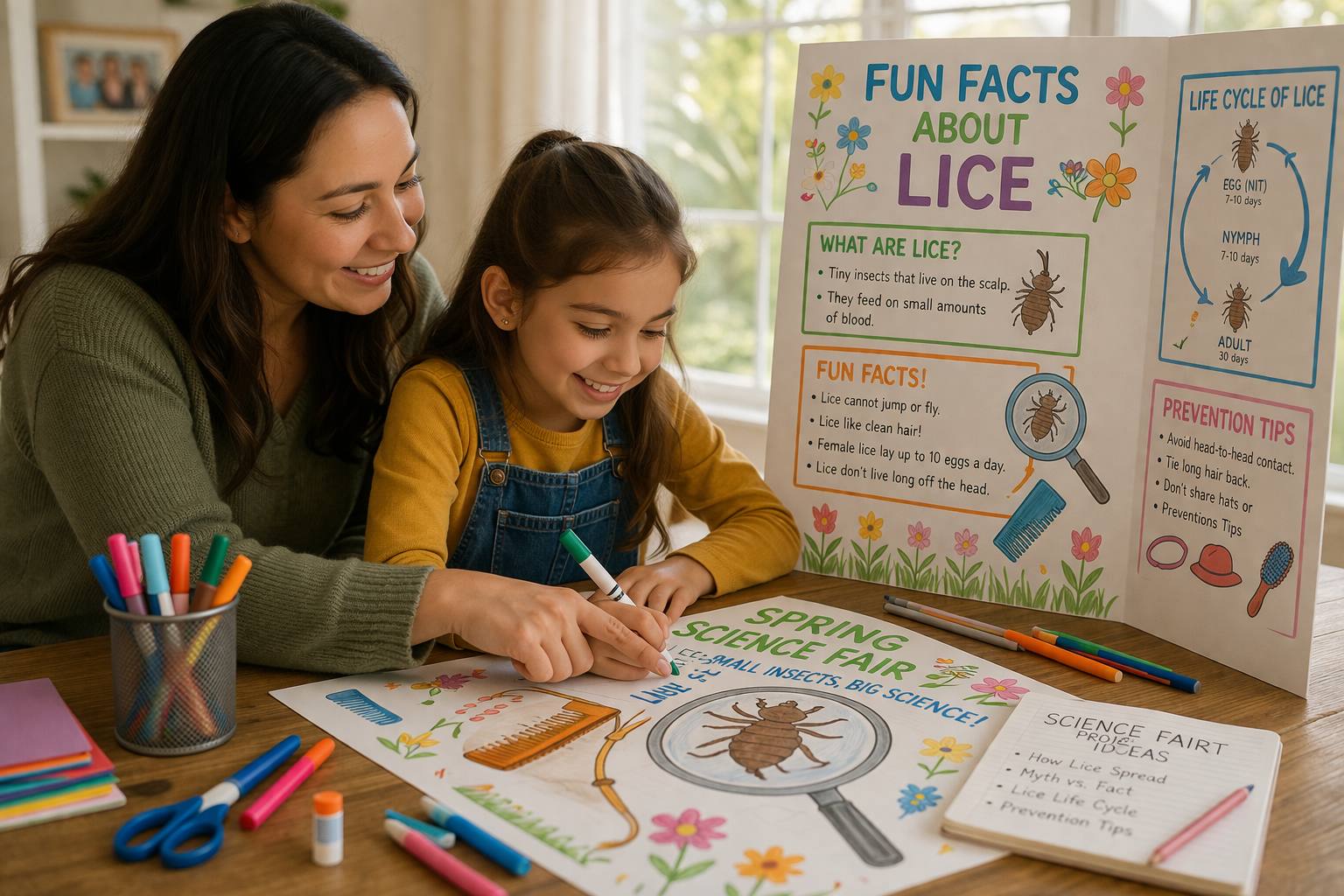

Spring is here, and that means it is time for one of the most exciting school activities of the year, the science fair. If your child is searching for a topic that is fun, educational, and a little different from the usual volcano or plant project, lice might be the perfect choice.
It may sound unusual at first, but lice are actually full of interesting science. Even better, this topic helps kids learn something useful while also helping others understand a very common issue.
In this guide, your child will learn fun facts about lice and how to turn those facts into a creative and engaging science fair project.
What Are Lice?
Head lice are tiny insects that live on the human scalp and feed on small amounts of blood. They do not spread disease and are very common among children, especially in schools and group settings. If you want a deeper explanation, you can learn more about how lice spread and live on the scalp.
Why Lice Is a Great Science Fair Topic
Choosing the right topic can make a big difference in how enjoyable and successful a science fair project is.
Lice is a great choice because:
- It is something many kids have heard about or experienced
- It teaches real-life science that is easy to understand
- It helps classmates learn helpful and accurate information
- It stands out from more common science fair topics
Teachers and judges often appreciate projects that are both educational and practical. A project about lice does exactly that.
What Are Lice, Really?
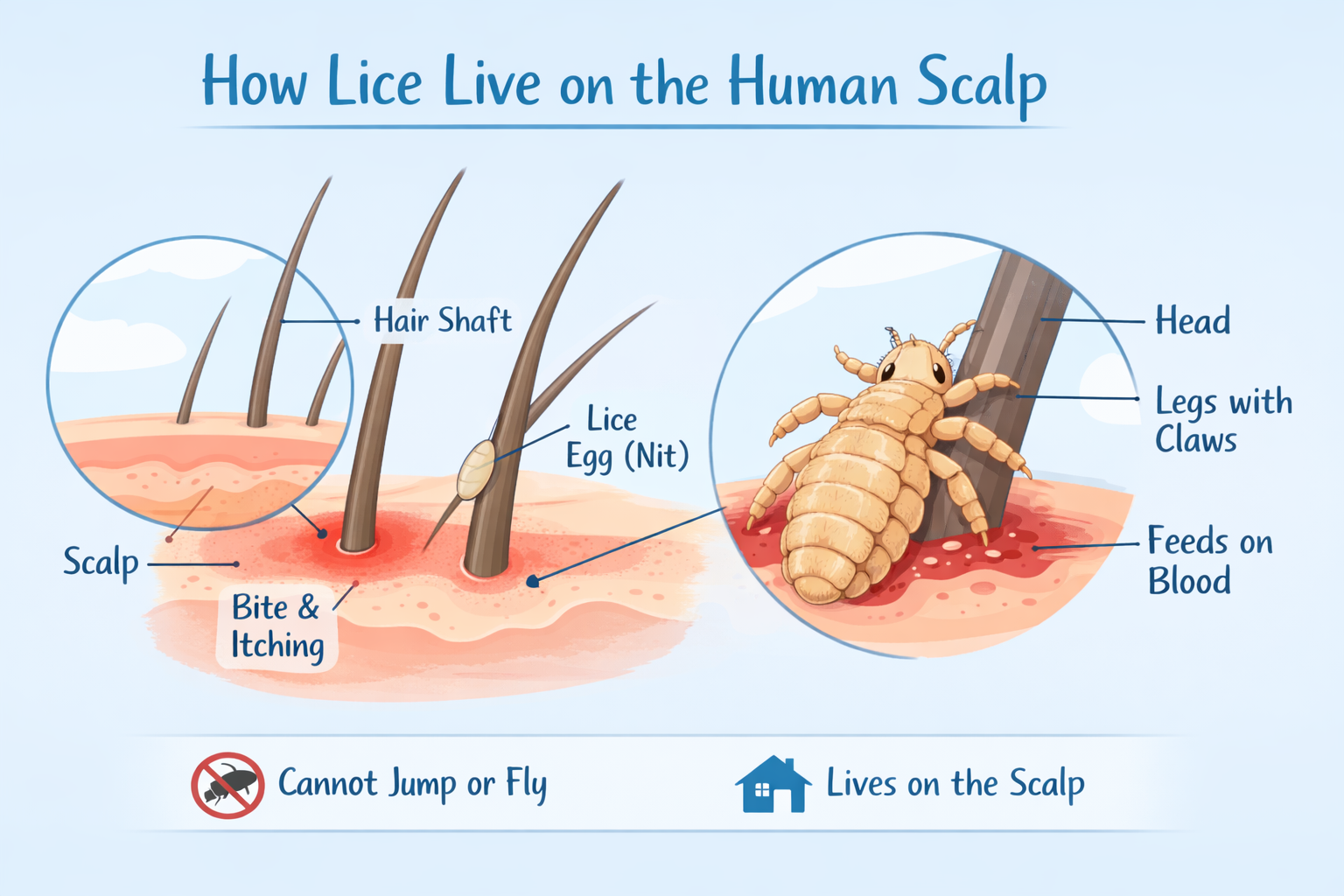
Head lice are tiny insects that spend their entire lives on the human head. Their scientific name is Pediculus humanus capitis, but most people simply call them lice.
They survive by feeding on small amounts of blood from the scalp. While that might sound uncomfortable, it is important to understand that lice are not dangerous.
They do not spread disease and they do not make people sick. The main issue they cause is itching and irritation.
For kids, the most important thing to remember is this. Anyone can get lice, and it is nothing to be embarrassed about.
What Do Lice Look Like?
Lice are very small, which makes them hard to spot.
Adult lice:
- About the size of a sesame seed
- Usually tan, gray, or brown
- Move quickly and avoid light
Lice eggs, also called nits, are even smaller. They attach firmly to the hair close to the scalp.
Unlike dandruff, nits do not fall off easily. They stay attached until they hatch.
Fun Fact 1: Lice Cannot Jump or Fly
This is one of the biggest myths about lice.
Lice do not jump and they do not fly. They move by crawling.
They spread through close contact, such as:
- Playing together
- Sitting close in class
- Taking selfies
- Leaning heads together
This is why lice are more common among children who interact closely with others.
Fun Fact 2: Lice Like Clean Hair
Many people think lice only affect people with poor hygiene. This is not true.
Lice actually prefer clean hair because it is easier for them to hold onto and move through.
So if a child gets lice, it does not mean they are dirty. It simply means they were in close contact with someone who had lice.
Fun Fact 3: Lice Have Special Claws
Lice are designed to live on hair.
They have six legs with tiny claws that help them grip onto hair strands. These claws are perfectly suited for human hair, which is why lice stay in place even when hair is washed or brushed.
This also explains why lice do not live on pets.
Fun Fact 4: Lice Lay a Lot of Eggs
A female louse can lay up to 10 eggs each day.
Each egg is attached to a strand of hair with a strong, glue-like substance. This keeps the eggs from falling off.
The eggs usually hatch in about 7 to 10 days, and the young lice grow quickly into adults.
Fun Fact 5: Lice Do Not Live Long Off the Head
Lice need human blood to survive.
If they fall off the head, they usually die within 24 to 48 hours.
This means lice are not commonly spread through furniture or carpets. Direct head-to-head contact is still the main way they spread.
Fun Fact 6: Itching Does Not Start Right Away
Not everyone feels itchy right away.
For many children, it can take a few weeks before itching begins. This is because the itching is caused by a reaction to lice bites.
So it is possible to have lice without noticing symptoms at first.
Fun Fact 7: Lice Are Fast Crawlers
Lice may be tiny, but they move quickly.
They can crawl several inches in a minute, which helps them move through hair and spread during close contact.
Fun Fact 8: Lice Have Been Around for Thousands of Years
Lice are not new.
Scientists have found evidence of lice on ancient mummies and in historical records. Humans have been dealing with lice for thousands of years.
Fun Fact 9: Pets Do Not Get Head Lice
Pets cannot get head lice from humans.
Human lice only live on humans, and animal lice only live on animals. There is no need to worry about pets if someone has lice.
Fun Fact 10: Lice Are Very Common Among Kids
Lice are especially common in children because they:
- Play closely together
- Share personal space
- Have frequent head-to-head contact
Getting lice is very common and nothing to be embarrassed about.
Turn These Facts Into a Science Fair Project
Now that your child understands the basics, it is time to turn these facts into a project.
Here are some simple and creative ideas.
How Do Lice Spread?
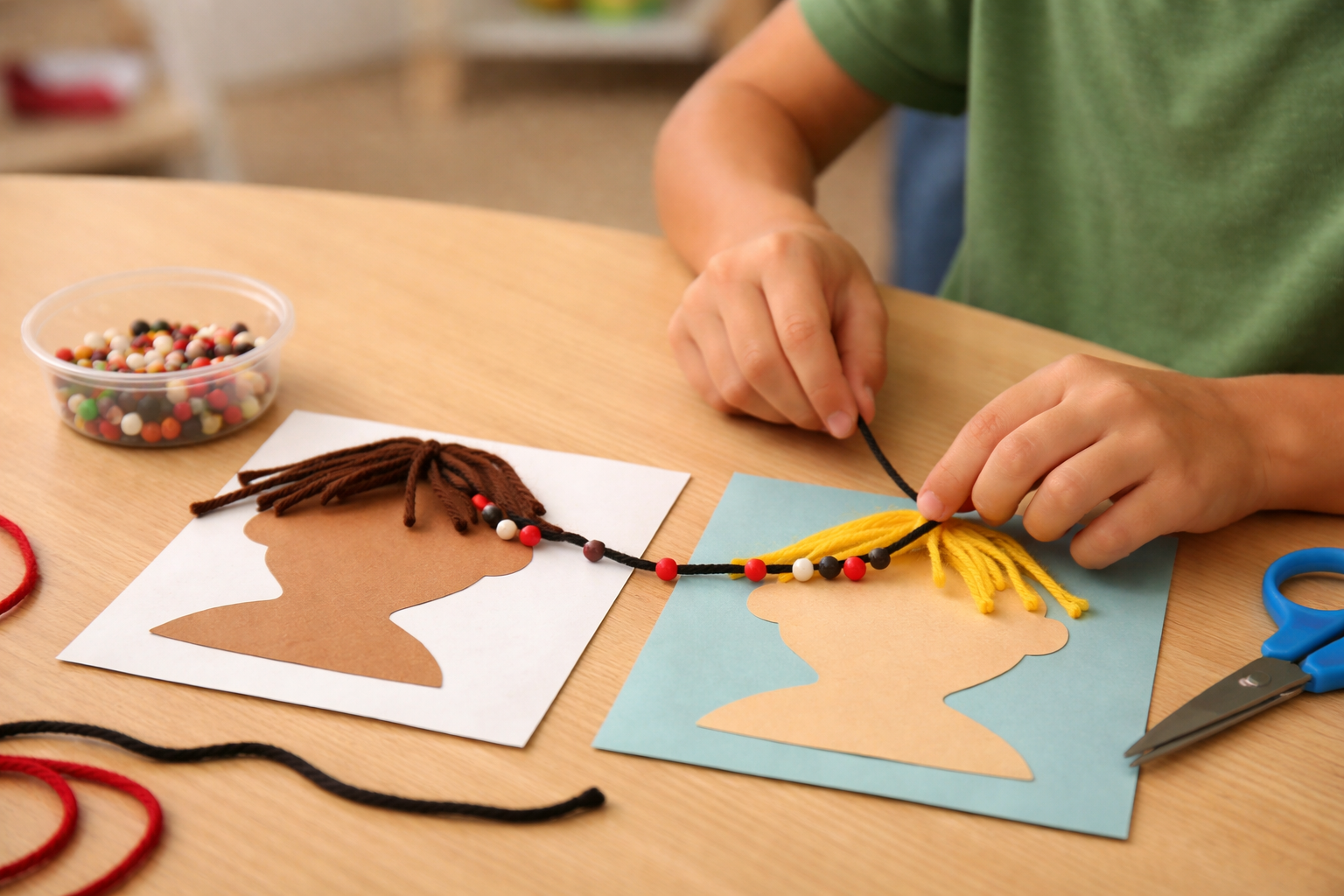
Use yarn or string to represent hair and small beads to represent lice. Show how lice move from one head to another during close contact.
Myth vs Fact Poster
Create a poster that separates myths from facts. This helps classmates learn the truth in a fun and visual way.
Lice Life Cycle Chart
Draw the three stages:
- Egg
- Nymph
- Adult
This helps explain how lice grow and reproduce.
Prevention Tips Display
Show simple ways to reduce the spread of lice:
- Avoid head-to-head contact
- Tie long hair back
- Avoid sharing hair accessories
Tips for a Winning Science Fair Presentation
To make the project stand out, encourage your child to:
- Speak clearly and confidently
- Use colorful visuals
- Share interesting facts
- Keep explanations simple
A strong closing line could be:
“Lice are tiny insects, but they are not scary. They are common, and we know how to manage them.”
Helping Kids Feel Comfortable About Lice
Talking about lice in a positive and educational way helps reduce fear and embarrassment.
Remind children:
- Anyone can get lice
- It is not a sign of being dirty
- It can be treated safely
When kids understand the facts, they are more confident and less likely to worry.
How LiceDoctors Helps Families

At LiceDoctors, helping families deal with lice is what we do every day.
Our team has successfully treated thousands of families using safe and effective methods. We provide professional in-home lice treatment services, which makes the process easier and less stressful for parents and children.
Our approach is:
- Chemical-free
- Safe for kids
- Thorough and professional
We focus on getting rid of lice completely so families can get back to their normal routine quickly.
If your child is dealing with lice, you can learn more about our safe and effective lice removal services or find a lice treatment provider near you for fast, reliable help right in your home.
Frequently Asked Questions About Lice
Can lice jump or fly?
No. Lice cannot jump or fly. They only crawl during close contact.
How do children get lice?
Most children get lice through head-to-head contact while playing or interacting closely.
Are lice dangerous?
No. Lice do not spread disease and are not harmful.
How long do lice live?
Lice can live about 30 days on a human head, but only 1 to 2 days off the scalp.
Can lice live on furniture?
They can fall onto surfaces, but they do not survive long without a human host.
Do pets spread lice?
No. Pets do not spread human lice.
Final Thoughts
A spring science fair is all about learning, curiosity, and creativity.
Lice may not be the first topic that comes to mind, but it is a smart and meaningful choice. It teaches real-life science while helping others learn something important.
Most importantly, it helps kids understand that lice are common, manageable, and nothing to be afraid of.
With the right information and a little creativity, this topic can turn into a fun and memorable science fair project.
If your family is currently dealing with lice, you do not have to handle it alone. You can book a lice treatment appointment with LiceDoctors for fast, safe, and professional in-home service that makes the process simple and stress-free.