.svg)
.svg)

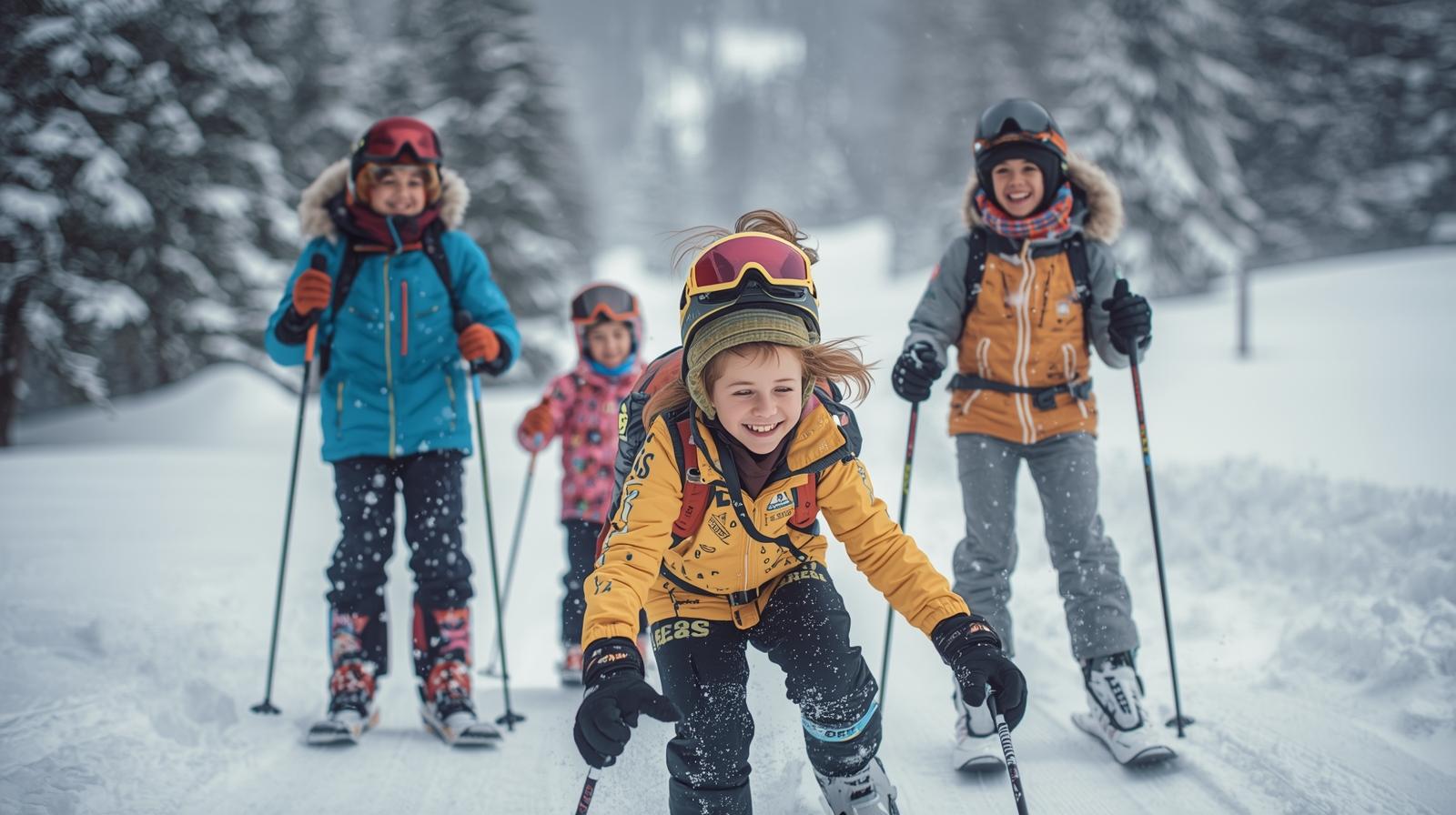

A family ski trip is supposed to be about fresh air, snowy mountains, hot cocoa, and unforgettable memories, not worrying about head lice halfway through your vacation.
Still, many parents quietly wonder: Can kids get lice on a ski trip? With shared helmets, group lessons, and close quarters, it’s a fair question.
The good news? Ski trip lice prevention is absolutely manageable. With a little planning and a few smart habits, you can protect your family without turning your vacation into a stress fest.
At LiceDoctors, we’ve helped thousands of families prevent and treat head lice, especially during winter travel, camps, and group activities. We know that prevention starts with understanding how lice actually spread.
This guide will walk you through everything you need to know about preventing lice on a ski trip, so you can focus on enjoying the slopes, not stressing about scalp checks.
Can You Get Lice on a Ski Trip?
Yes, head lice can spread during ski trips due to close head-to-head contact, shared helmets, hats, and group lodging. Cold weather does not kill lice. Daily lice prevention spray, secured hairstyles, and avoiding shared gear can significantly reduce the risk.
Can You Really Get Lice on a Ski Trip?
Yes, it’s possible. But it’s also preventable.
Head lice spread through direct head-to-head contact, not dirt, poor hygiene, or cold weather. Ski trips often include situations that increase close contact, such as:
- Shared helmets or hats
- Kids piling onto couches or bunk beds
- Long bus or car rides
- Group ski lessons
- Crowded lodges and warming areas
Cold weather doesn’t kill lice. In fact, lice are perfectly happy living close to the scalp, where it stays warm no matter how low the temperature drops outside.
Understanding this is important because it helps you focus on what actually matters for prevention.
Common Ski Trip Lice Myths
Before we get into prevention tips, let’s address a few myths we hear all the time.
Myth #1: Helmets kill lice
They don’t. Helmets can actually help spread lice if shared without proper cleaning.
Myth #2: Lice can’t survive in cold climates
False. Lice lives on the scalp, not in the snow.
Myth #3: Only dirty hair gets lice
Lice don’t care if hair is clean or dirty. They just want a warm place to live.
Myth #4: Lice jump from person to person
They don’t jump or fly. They crawl, and they crawl during close contact.
Knowing the truth makes prevention much simpler.
Why Ski Trips Are a Higher-Risk Environment
Ski vacations are fun, exciting, and full of shared experiences, but they also come with a few unique situations that can increase the risk of head lice, especially for kids.
Shared Gear
Rental helmets, goggles, and hats are commonly used during ski trips. While many rental shops clean their equipment, lice can still spread if items aren’t fully sanitized between uses. When multiple heads use the same gear, there’s more opportunity for lice to transfer from one child to another.
Group Lessons
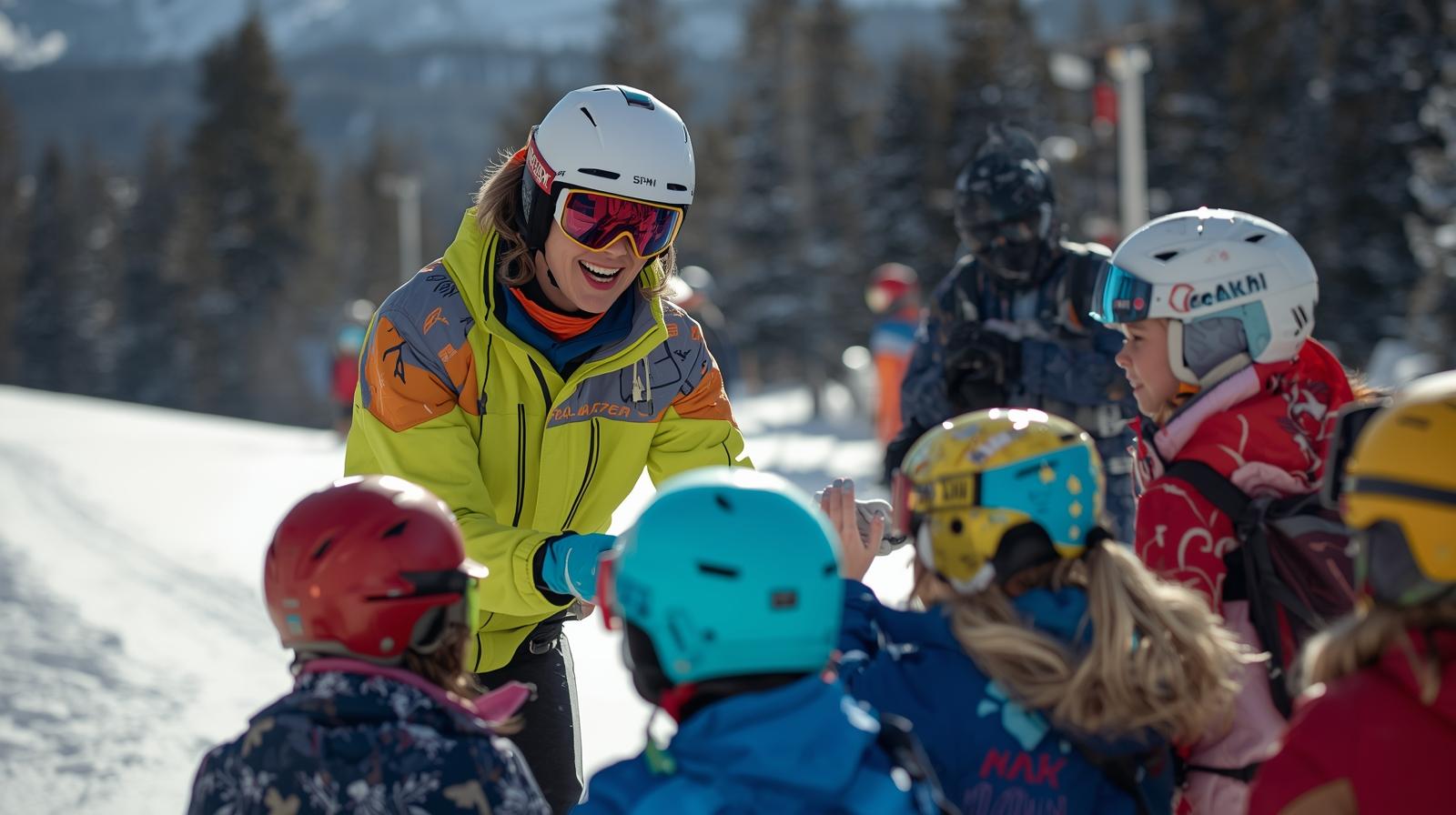
Ski lessons are a highlight for many kids, but they often involve standing close together, waiting in lift lines, and sitting shoulder to shoulder during breaks. This close head-to-head contact is one of the most common ways lice spread, especially during long lesson days.
Lodging
Cabins, hotels, and condos usually mean shared spaces. Kids may relax on the same couches, use shared blankets, sleep in bunk beds, or pile onto beds after a long day on the slopes. These cozy moments are part of the fun, but they can also increase exposure if precautions aren’t taken.
Fatigue
After hours of skiing, kids are tired. When children are exhausted, they’re more likely to forget personal space, lean on friends or siblings, or share pillows and blankets without thinking about it.
None of this means you should skip the trip or feel anxious. It simply means being proactive and informed, so you can reduce risk while still enjoying everything your ski vacation has to offer.
Ski Trip Lice Prevention Starts Before You Leave
The best time to prevent lice is before the first snowflake.
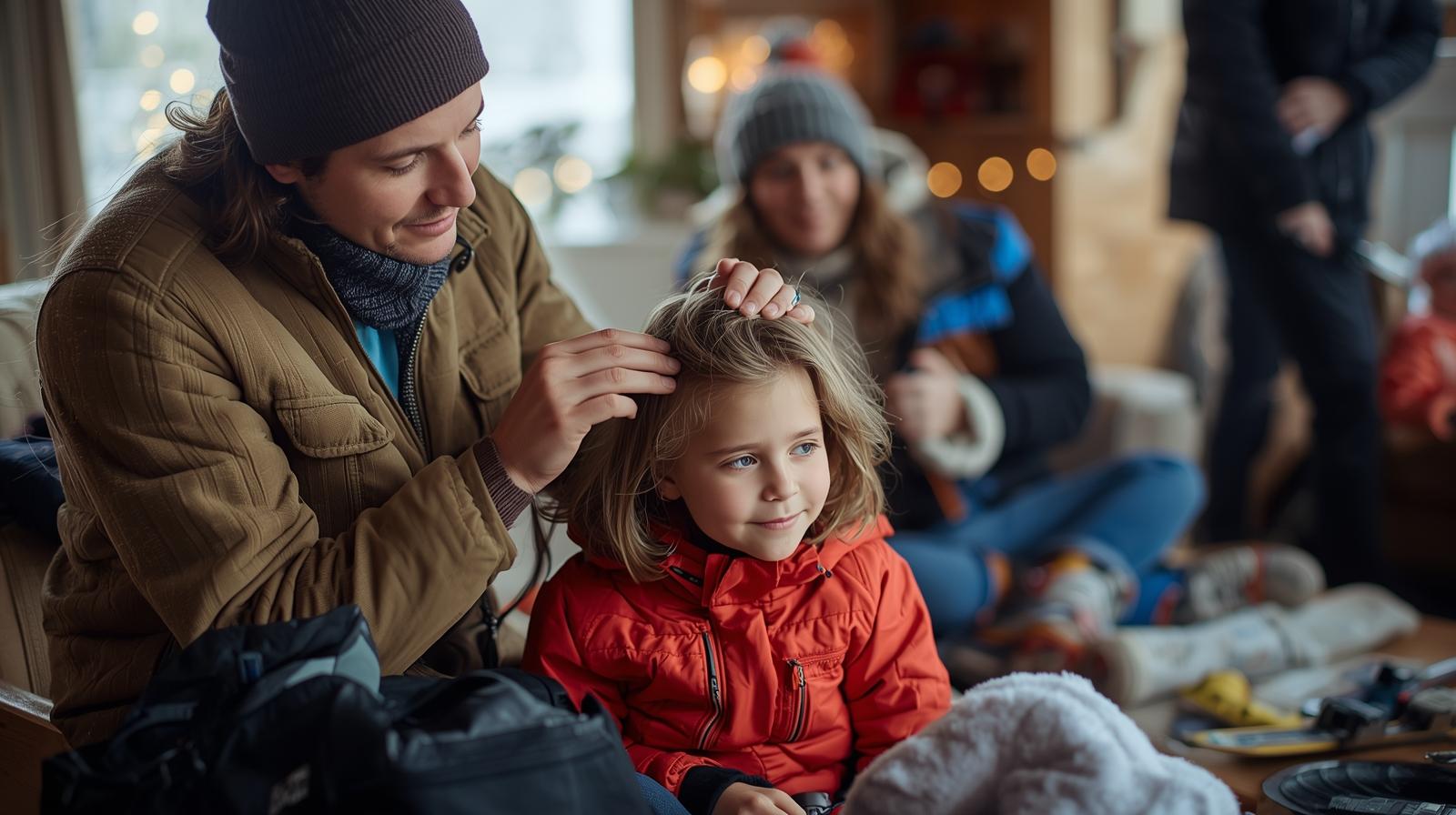
Do a Pre-Trip Head Check
A quick lice check a few days before your trip can give you peace of mind. Look behind the ears, at the nape of the neck, and along the hairline.
If you find lice before traveling, treat them at home so you’re not dealing with it on vacation.
Pack Smart
Add these items to your ski trip packing list:
- A lice prevention spray
- A fine-tooth lice comb
- Hair ties or braids
- A personal pillowcase if your child prefers one
These small steps can make a big difference.
The Power of Lice Prevention Sprays
One of the easiest and most effective ways to prevent lice on a ski trip is by using a daily lice prevention spray.
These sprays often contain natural ingredients that lice dislike, such as essential oils. When used regularly, they help reduce the chance of lice transferring during close contact.
How to use it:
- Spray lightly on dry hair each morning
- Focus on the scalp, behind the ears, and the nape
- Reapply after helmet use or long days
Prevention sprays are especially helpful for kids who attend group lessons or wear rental gear.
Hair Styles That Help Prevent Lice
Loose hair makes it easier for lice to crawl from one head to another, especially during close contact in ski lessons, lift lines, and lodge breaks. Keeping hair secured and contained helps reduce the chance of lice transferring from person to person.
While no hairstyle can guarantee complete prevention, tight, helmet-friendly styles can add an extra layer of protection, especially during long days on the slopes.
Best Ski-Friendly Hairstyles
- Tight braids
Braids keep hair close to the scalp and prevent loose strands from touching other kids’ hair. They also stay in place well under helmets. - Low buns
A low bun sits comfortably at the base of the neck, making it easier to wear helmets without discomfort while keeping hair contained. - Ponytails secured with multiple ties
Using more than one hair tie helps limit loose sections and reduces movement, which can lower hair-to-hair contact during group activities.
These styles are practical for skiing, fit comfortably under helmets, and help limit direct hair contact, one of the most common ways head lice spread.
Helmet Safety and Lice Prevention
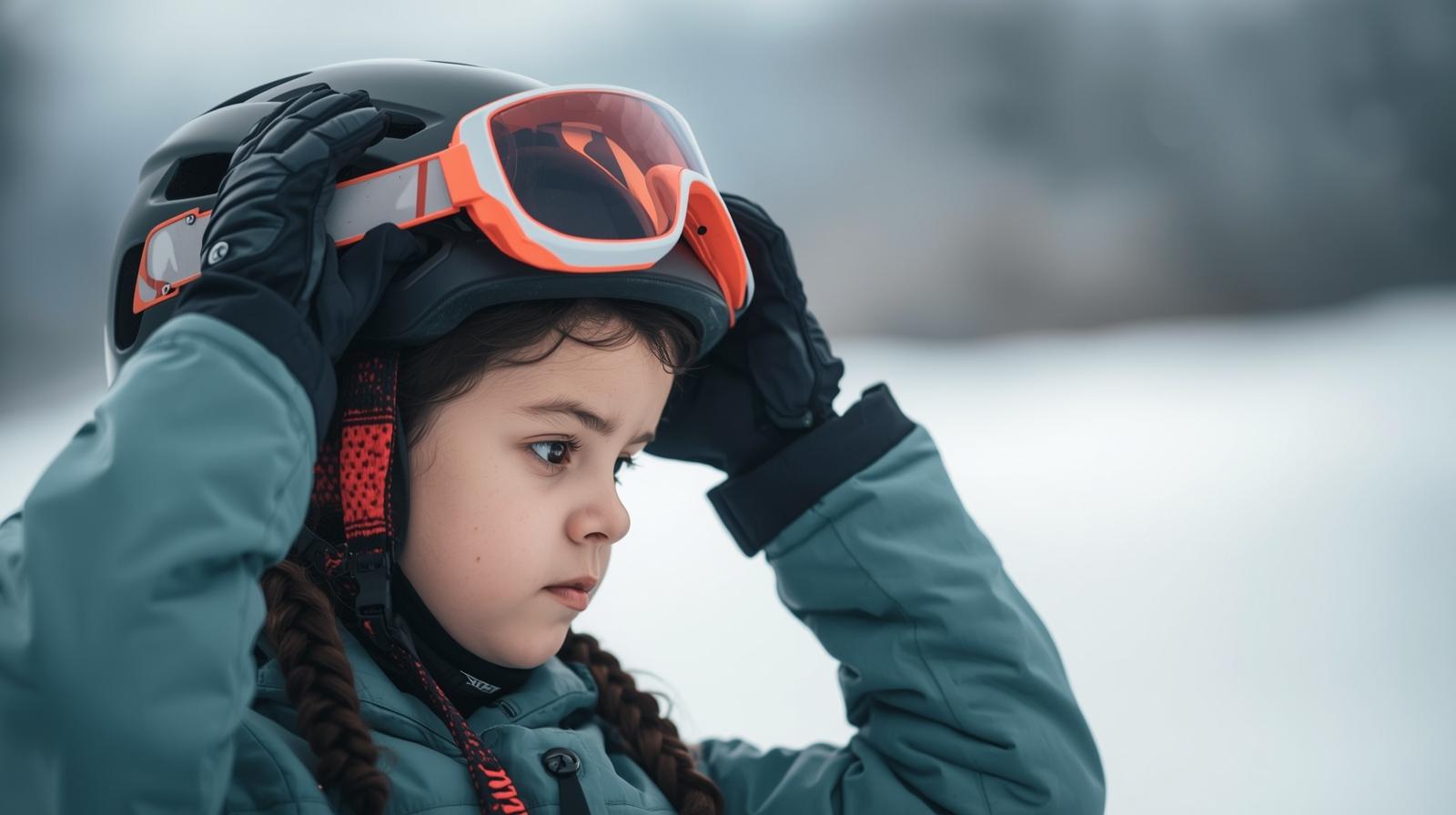
Helmets are essential for skiing and snowboarding. They don’t need to be scary when it comes to lice, but they do need attention.
Tips for Helmet Safety
- Avoid sharing helmets whenever possible
- If renting, ask how helmets are sanitized
- Use a thin helmet liner or headband that belongs only to your child
- Spray hair with lice prevention spray before and after helmet use
If your child removes their helmet during breaks, remind them not to place it on shared surfaces.
Ski Lessons and Group Activities
Group lessons are often where parents worry the most. Here’s how to reduce risk without making your child anxious.
Teach Simple Boundaries
You don’t need to scare kids. Simple reminders work best:
- “Try not to touch heads with friends.”
- “Use your own helmet and goggles.”
- “If you’re resting, sit with space between you.”
These are easy habits that don’t feel restrictive.
Lodging Tips for Lice Prevention
Where you stay matters just as much as what you do on the slopes.
In Hotels or Cabins
- Assign each child their own pillow and blanket
- Avoid sharing hats, scarves, or hairbrushes
- Keep personal items separated
If bunk beds are involved, give each child their own pillowcase and avoid swapping beds.
Daily Head Checks on Vacation
You don’t need to do a full inspection every night, but a quick check every couple of days can catch things early.
What to Look For
- Itching
- Redness at the hairline
- Small white or yellowish eggs near the scalp
Early detection makes treatment faster and easier.
What If You Find Lice During the Trip?
First, take a breath. This happens more often than people realize.
Finding lice doesn’t mean you did anything wrong. It just means it’s time to act.
Your Options
- Use an effective treatment right away
- Avoid sharing personal items
- Contact a professional lice removal service if available
LiceDoctors offers professional, in-home lice treatment in many areas. If you’re traveling near one of our service locations, we can help you get back to enjoying your vacation quickly.
Why Professional Treatment Matters
DIY treatments can be time-consuming and stressful, especially on vacation. Professional lice removal offers:
- Safe, chemical-free methods
- Thorough nit removal
- Peace of mind
- Time saved
Our clinicians are trained to handle lice discreetly and efficiently, so families can move on without panic.
Post-Trip Lice Check: Don’t Skip This
Even if everyone feels fine, it’s smart to do a head check a few days after returning home.
Lice eggs can take several days to hatch, so a post-trip check ensures nothing was missed.
If you catch lice early, treatment is much simpler.
Reassurance for Parents
Lice are common. They don’t reflect cleanliness, parenting, or personal habits.
A ski trip should be about fun, not fear. With the right knowledge and a few preventive steps, lice don’t have to ruin your plans.
At LiceDoctors, we believe education is the first line of defense. Prevention doesn’t need to be extreme. It just needs to be informed.
Quick Ski Trip Lice Prevention Checklist
Before you go:
- Do a head check
- Pack prevention spray
- Bring hair ties and a lice comb
During the trip:
- Use prevention spray daily
- Avoid sharing helmets and hats
- Keep hair secured
- Do occasional checks
After the trip:
- Check hair again
- Treat promptly if needed
Final Thoughts: Enjoy the Snow, Not the Stress
Ski trips are meant to be memorable for the right reasons. Lice prevention doesn’t require fear or overthinking. It just takes awareness and consistency.
If you ever need help, LiceDoctors is here. Our professional, compassionate approach has helped families nationwide handle lice quickly and confidently.
Enjoy the slopes, the laughter, and the memories. We’ll handle the rest if you need us.
Need Help During a Ski Trip?
If you suspect lice while traveling, LiceDoctors offers fast, professional, in-home treatment in many locations. We help families get back to their vacation with minimal stress.