.svg)
.svg)



Presidents’ Day weekend is one of the most popular times of the year for kids’ sleepovers. There’s no school on Monday. Winter boredom is setting in. Parents are ready for a break. Kids are ready for fun.
And somewhere between pizza, movies, and late-night giggles, one tiny worry sneaks into a lot of parents’ minds:
What about head lice?
If you’re planning to host a sleepover, or your child has been invited to one, this guide will walk you through everything you need to know. We’ll cover prevention, myths, what actually spreads lice, what doesn’t, and what to do if you discover an issue after the weekend.
The goal?
To help you feel informed, calm, and prepared.
Why Presidents’ Day Sleepovers Are So Popular
Presidents’ Day weekend falls in the middle of winter, when:
- Kids are spending more time indoors.
- Cabin fever is real.
- Parents are looking for structured activities.
- Families may be traveling or visiting relatives.
A sleepover feels like a safe, fun way to celebrate the long weekend. But because sleepovers involve close contact, kids sitting together, whispering, sharing selfies, crowding around a movie, parents often wonder about lice transmission.
Let’s clear up the confusion.
First Things First: How Do Head Lice Actually Spread?
Head lice spread primarily through direct head-to-head contact.
That’s it.
Lice cannot:
- Jump
- Fly
- Swim
- Live long away from the human scalp
They crawl. Slowly.
During sleepovers, transmission is most likely when:
- Kids lie close together while watching movies
- They huddle over tablets or phones
- They take group selfies with heads touching
- They share pillows and blankets
- They sit shoulder-to-shoulder for extended periods
The sleepover itself isn’t the problem. Close, sustained contact is.
The Big Myth: Do Lice Spread Through Sheets and Pillows?
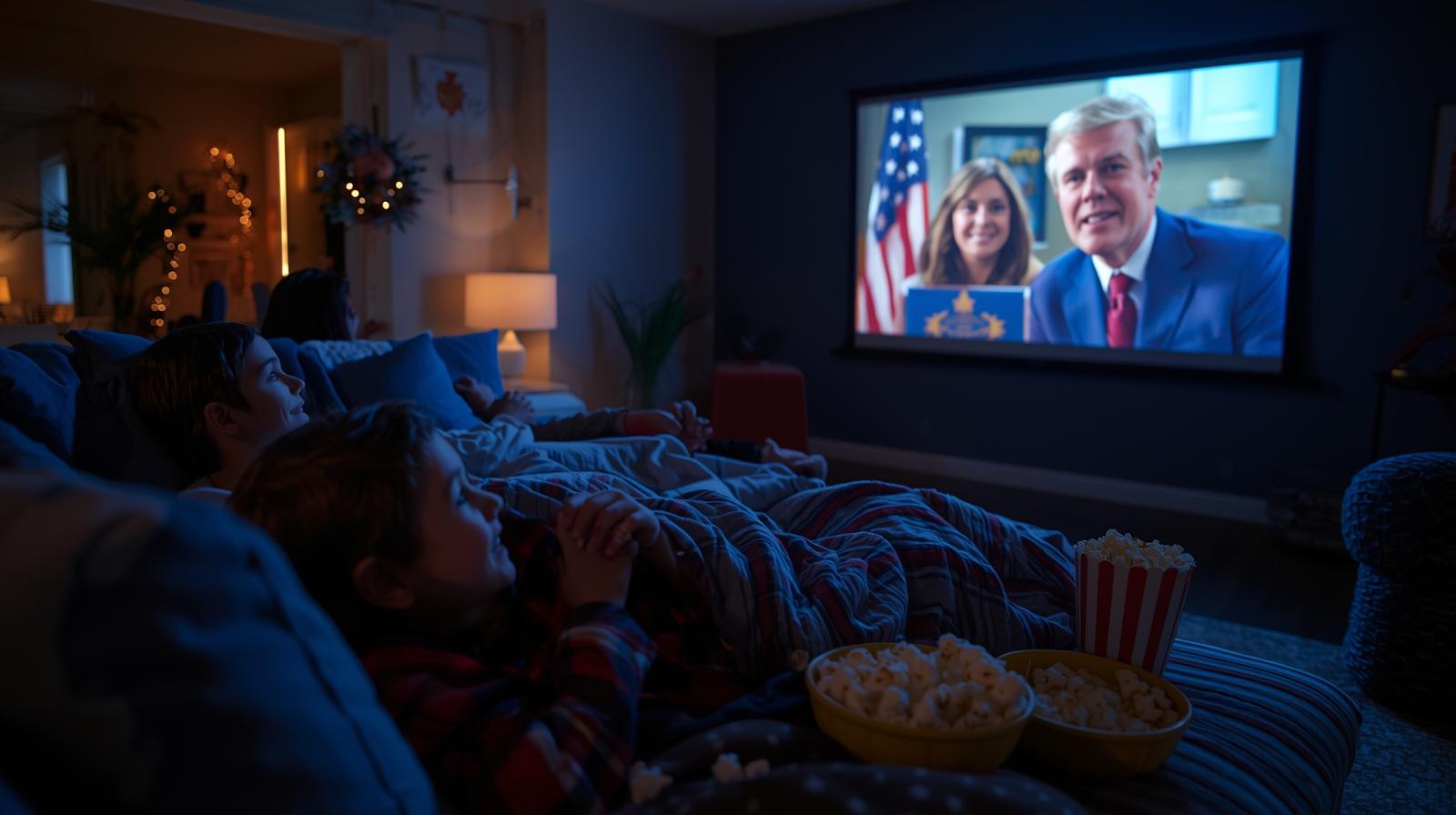
Parents often panic about bedding.
Here’s what science tells us:
Head lice need human blood to survive. Once off the scalp, they typically die within 24 hours. Eggs (nits) require body heat to hatch. Bedding, couches, and stuffed animals are not ideal environments for lice survival.
Could lice transfer via a pillow if a child with an active infestation just used it?
Possibly, but it’s not the primary mode of transmission.
The overwhelming majority of cases come from head-to-head contact, not objects.
Should You Cancel the Sleepover Because of Lice Fears?
Short answer: No.
Head lice are a common childhood issue. They are not dangerous. They do not spread disease. They are not a sign of poor hygiene.
If we canceled every gathering because of lice risk, kids would never socialize.
Instead of canceling, focus on being informed and proactive.
Before the Sleepover: Smart, Low-Stress Prevention Tips
Here’s how to reduce risk without turning your house into a quarantine zone.
1. Do a Quick Head Check
Before your child goes to a sleepover, or before guests arrive, take five minutes to check your child’s scalp.
Look for:
- Tiny tan or brown moving bugs
- Small oval eggs glued close to the scalp
- Persistent itching at the nape of the neck or behind the ears
Good lighting and a fine-tooth comb help.
2. Have the “No Head-to-Head” Talk
Keep it casual. Kids respond better when you don’t make it scary.
You can say:
“Have fun tonight! Just remember, no head-to-head selfies or sharing pillows.”
No drama needed.
3. Assign Individual Bedding
If you’re hosting:
- Give each child their own pillow and blanket.
- Avoid communal pile-ups of bedding.
- Label items if needed.
4. Encourage Hair Containment
Braids, buns, and ponytails reduce loose hair contact, especially for longer hair.
It’s not foolproof, but it helps.
After the Sleepover: What If You’re Worried?
Even if everything goes smoothly, many parents feel anxious in the days following a sleepover.
Here’s what to do:
Step 1: Wait a Few Days Before Checking
If exposure occurred, it can take several days before lice are detectable. Checking immediately after the sleepover may not reveal anything.
Step 2: Do a Thorough Comb-Through
Use a high-quality nit comb and work in sections under bright light.
Step 3: Watch for Itching
Itching doesn’t always happen immediately. It’s actually an allergic reaction to lice saliva, and it can take weeks to develop in first-time cases.
If You Get the Text No Parent Wants
Sometimes the message comes:
“Just wanted to let you know we found lice…”
Take a breath.
This does not mean:
- Your child will automatically get lice.
- Your house is contaminated.
- You did anything wrong.
It means there was a potential exposure.
Now you monitor.
If you find lice, the key is proper, thorough treatment.
Why Professional Treatment Can Make a Huge Difference
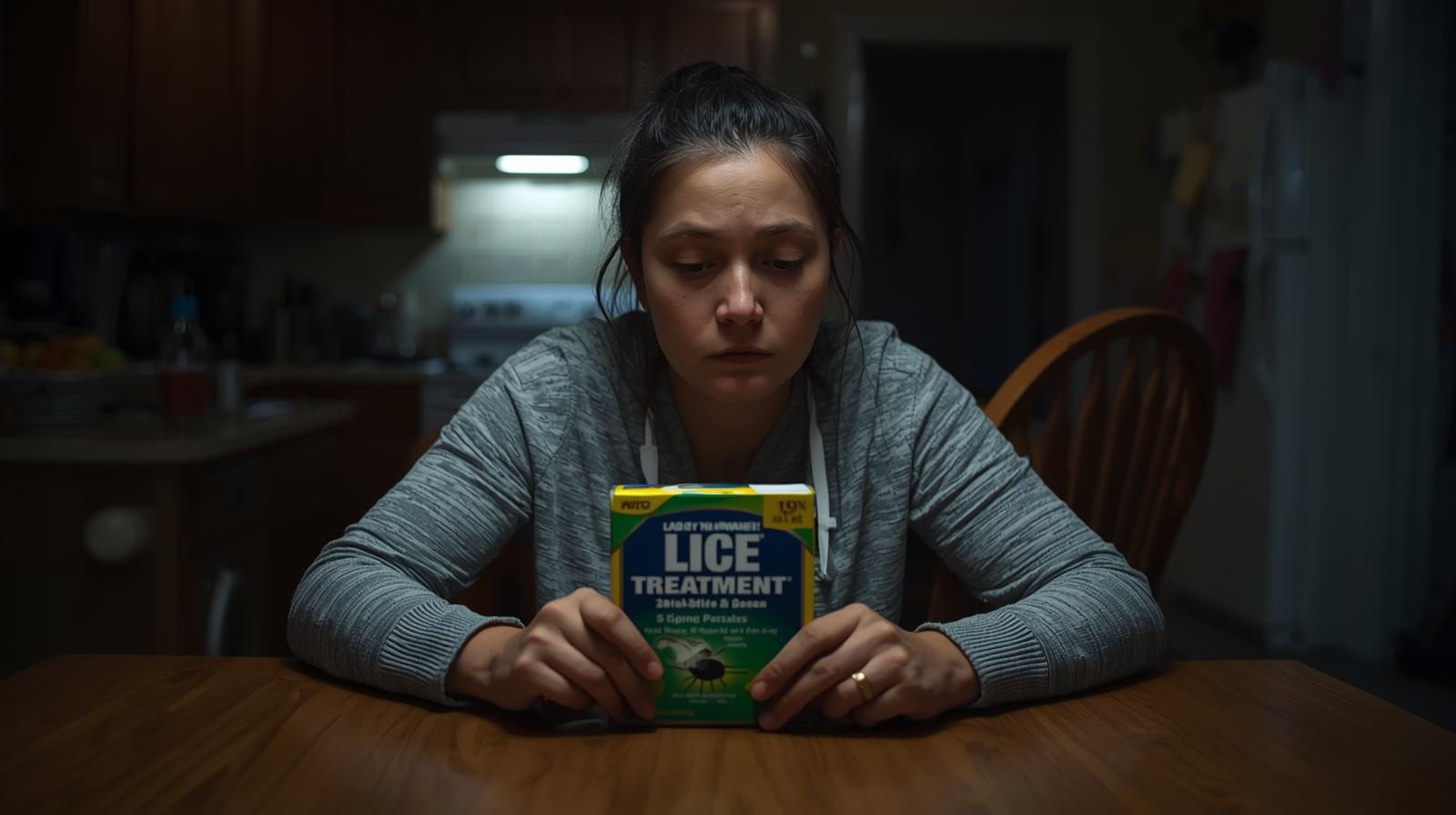
Many families try over-the-counter products first.
What often happens:
- The product kills some lice.
- Eggs remain.
- Lice hatch.
- The cycle continues.
Resistance to common chemical treatments has increased over time.
That’s why many parents turn to professional services like LiceDoctors.
What Makes Professional In-Home Treatment Different?
- No harsh pesticides.
- Manual removal of lice and nits.
- Technicians trained specifically in lice biology.
- Treatment done in the comfort of your home.
- Education to prevent recurrence.
Families often feel immediate relief knowing the problem has been handled thoroughly.
What Sets LiceDoctors Apart
LiceDoctors has treated hundreds of thousands of families nationwide.
Their approach is:
- Discreet
- Safe
- Backed by hands-on experience
- Focused on complete nit removal
They understand the emotional side of lice, the embarrassment, the stress, the late-night Google searches.
Parents consistently say the biggest relief isn’t just removing lice.
It’s having a knowledgeable expert reassure them:
“This is manageable. You’re going to be fine.”
That reassurance matters.
How to Talk to Other Parents About Lice (Without Awkwardness)
Communication is key.
If you discover lice after hosting, inform other parents promptly and calmly.
You can say:
“We discovered head lice today. Since the kids were together this weekend, we wanted to let you know so you can check as well.”
No blame. No panic. Just facts.
Responsible communication prevents larger outbreaks.
Common Questions Parents Ask After Sleepovers
Can lice jump from sleeping bags?
No. Lice crawl. They don’t jump.
Do I need to bag everything in my house?
No. Over-cleaning creates stress without improving outcomes. Focus on the scalp.
Should siblings be treated automatically?
Only if lice are found. Check everyone carefully.
Do schools require kids to stay home?
Many schools have moved away from strict “no-nit” policies. Check your district’s guidelines.
Winter and Lice: Is There a Seasonal Connection?
Yes.
Winter months often see an uptick in lice cases because:
- Kids are indoors more.
- They wear hats and scarves.
- They attend more social gatherings.
- Sleepovers increase during long weekends.
Presidents’ Day sits right in that high-contact season.
The Emotional Side of Lice (Let’s Be Honest)
Even though lice are common, they feel personal.
Parents may feel:
- Embarrassed
- Overwhelmed
- Frustrated
- Exhausted
Kids may feel:
- Ashamed
- Worried about friends finding out
- Upset about missing school or activities
This is where professional support really helps.
When families work with experienced providers like LiceDoctors, they’re not just getting treatment. They’re getting guidance.
Guidance reduces fear.
Hosting a Lice-Smart Sleepover
Here’s a simple checklist:
Check your child beforehand
Assign separate bedding
Encourage hair tied back
Avoid head-to-head selfies
Do a follow-up check mid-week
No need for paranoia. Just awareness.
What NOT to Do
Let’s debunk a few common overreactions:
Don’t spray furniture with insecticide
Don’t throw away pillows
Don’t shave your child’s head
Don’t shame your child
Don’t assume someone “gave” lice intentionally
Lice spread quietly and accidentally.
When to Call a Professional
Consider expert help if:
- You’ve treated twice and still see live lice.
- You’re overwhelmed.
- Your child has long or thick hair.
- Multiple family members are affected.
- You want one-and-done resolution.
That’s when services like LiceDoctors can be a game-changer.
Presidents’ Day Sleepovers Should Be About Memories — Not Stress
Sleepovers build friendships.
They create stories your kids will laugh about years from now.
Head lice, while annoying, are temporary.
With accurate information and the right support, you can:
- Host confidently
- Send your child confidently
- Respond calmly if lice appear
And move on quickly.
Final Takeaway for Parents
Presidents’ Day sleepovers are not something to fear.
They are something to prepare for thoughtfully.
Remember:
- Lice spread mainly through head-to-head contact.
- They are common.
- They are treatable.
- They are not a reflection of cleanliness.
- Professional help is available if needed.
If you ever feel stuck, overwhelmed, or unsure, trained lice professionals are just a call away.
You’ve got this.
And your kids?
They’ll just remember the popcorn, the movies, and staying up way too late.
Need help now?
Reach out to the experienced team at LiceDoctors for fast, safe, in-home treatment and real peace of mind.
Because sleepovers should end with tired kids, not stressed parents.