header-logotype
7AM - MIDNIGHT | 7/365
BOOK NOW

Lice Treatment Failed Twice? Here's What's Actually Going On

Lice Treatment Failed Twice? Here's What's Actually Going On
Created on 
June 27, 2026
Updated on 
June 27, 2026

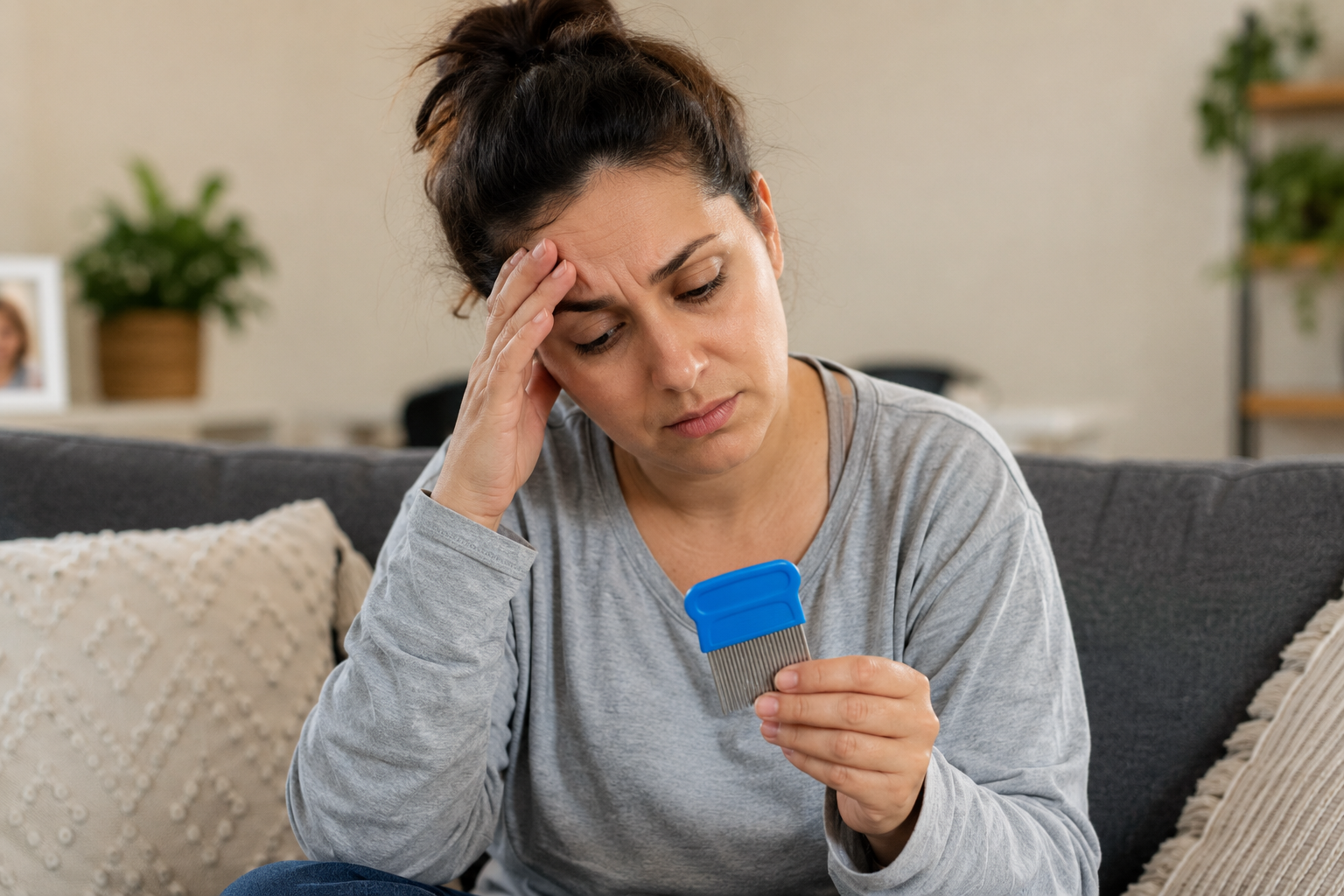
You treated everyone. You bagged the stuffed animals, washed the sheets, picked up the kit from the drugstore. A week later, your kid is scratching again. So you did it all over again. Still scratching.

If lice have survived two rounds of treatment, there's a reason. Usually more than one.

The OTC shampoo might not be working at all

Most drugstore lice products rely on pesticides called permethrin and pyrethrin. The problem is these chemicals have been in use for decades, and lice have adapted to them. A meta-analysis published in PMC found that the overall prevalence of pyrethroid resistance in head lice reached 82% after 2015. The CDC also confirms that lice have developed resistance to 1% permethrin, the active ingredient in the most common OTC treatments.

So you can follow the instructions exactly and still not get rid of them. It's not that you did it wrong. The product just isn't effective against what your family has.

You cleared the lice but left the nits behind

Live bugs are only half the problem. Nits (lice eggs) are glued tight to the hair shaft, close to the scalp, and are very difficult to remove. According to the CDC's head lice page, nits take about 6 to 9 days to hatch. A nymph then matures into an adult in another 7 days.

Most chemical treatments don't kill nits reliably. So even if the treatment wipes out all the live lice, any eggs left in the hair will hatch about a week later, and those nymphs will mature fast. Before you know it you're looking at a full case again.

This is one of the most common reasons a "second treatment" doesn't look any different from the first. The case didn't come back. It never actually left.

Someone in the house wasn't fully checked

Lice move between family members fast. If one person goes unchecked, they can reinfect everyone else within days of treatment. This happens often when parents focus entirely on the kids, or when a family member doesn't have obvious symptoms yet.

Not everyone itches right away. According to the CDC, itching may not start until 4 to 6 weeks after a first infestation because itching is an allergic reaction, and that sensitivity takes time to develop. Someone can have a case and feel completely fine.

If your household has been through two rounds without getting clear, it's worth asking whether every single person was actually checked properly, not just given a quick look.

Re-exposure from outside the home

Sometimes the treatment worked. The problem is that your child went back to school, practice, or a sleepover and picked up lice again from someone else. If there's an active case in your child's classroom or friend group that hasn't been addressed, reinfestation can happen quickly.

This is easy to confuse with a treatment failure. One clue: if lice keep coming back weeks apart rather than days apart, re-exposure is more likely than hatching nits.

What to do when two treatments haven't worked

At this point, a different approach is needed. A few things that actually make a difference:

Stop relying on the same OTC chemicals. If treatment has failed twice, resistant lice are a likely explanation. An approach that doesn't use pyrethrin or permethrin sidesteps the resistance problem entirely. All-natural methods, like using oil to suffocate lice, work through a physical mechanism that lice can't build resistance to. LiceDoctors covers how this works in their treatment process page.

Comb every day. After any treatment, daily wet-combing with a fine-tooth lice comb is one of the most reliable ways to catch survivors and newly hatched nymphs before they mature. It's slow, it's tedious, and it works.

Check the whole household. Get everyone screened, including adults. Don't assume someone is clear just because they aren't itching.

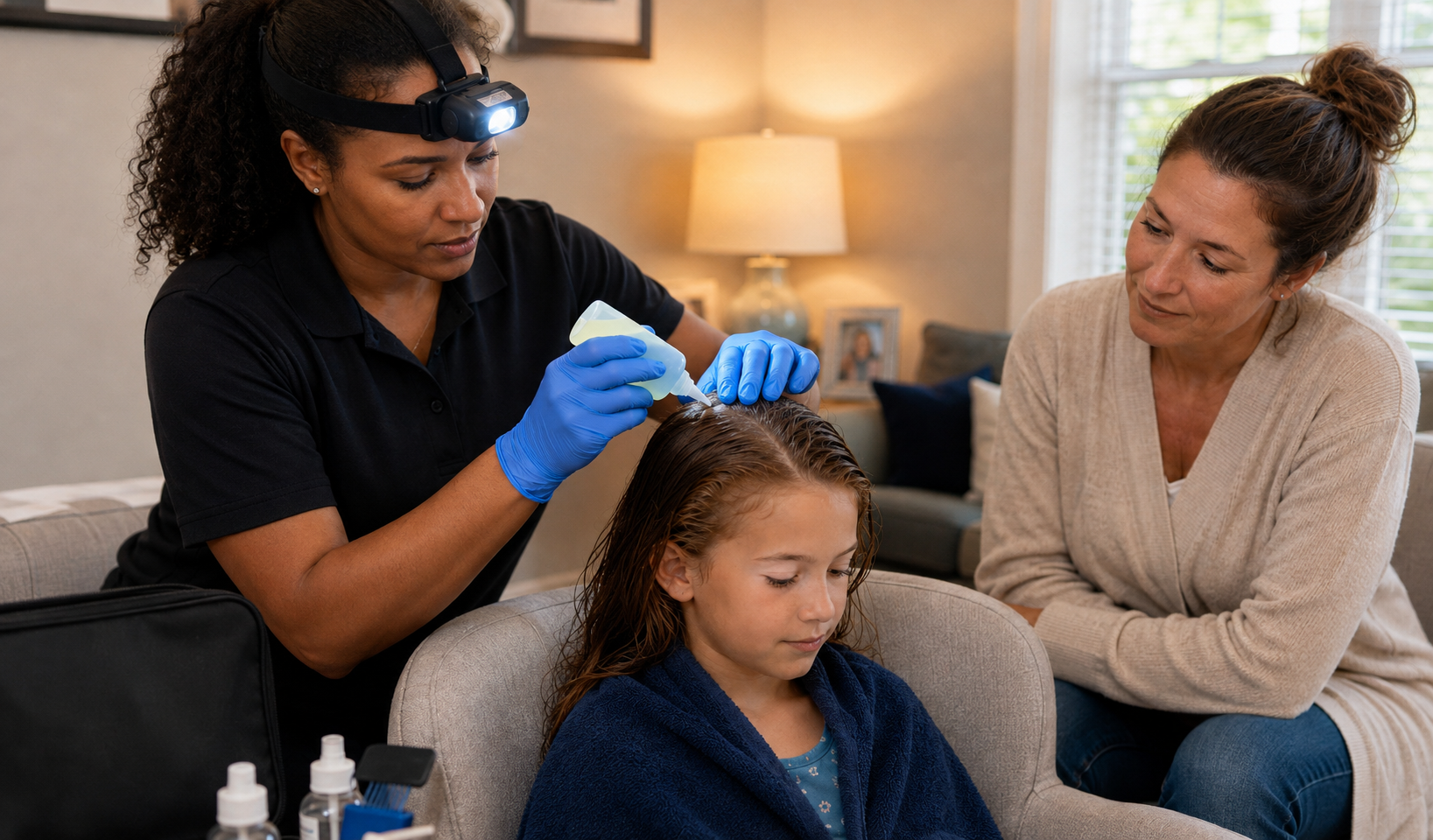
Bring in a professional. If you've already spent time and money on two failed rounds, a professional lice technician can do in one visit what most families can't do on their own. They're trained specifically in detection and removal, use professional-grade combs, and work through the hair section by section.

How LiceDoctors can help

LiceDoctors sends trained technicians directly to your home, 7 days a week, from 7 AM to midnight. The treatment is chemical-free, using oil to immobilize lice and loosen nits from the hair shaft, followed by thorough manual combing and a strand-by-strand nit check. It's safe for all ages, including infants and pregnant moms, and comes with a 30-day guarantee.

Pricing is hourly and covers your entire family in one visit. Most families of four come out between $450 and $480, and the service is eligible for HSA and FSA reimbursement.

If your family is stuck in the treatment loop, call 800-224-2537 or book an appointment online.

Two failed treatments doesn't mean lice win. It means it's time to stop doing the same thing.

Heading

Lorem ipsum dolor sit amet, consectetur adipiscing elit. Suspendisse varius enim in eros elementum tristique. Duis cursus, mi quis viverra ornare, eros dolor interdum nulla, ut commodo diam libero vitae erat. Aenean faucibus nibh et justo cursus id rutrum lorem imperdiet. Nunc ut sem vitae risus tristique posuere.

Book Appointment

We provide a friendly in-home lice removal service

Book your appointment today

Done fighting lice on your own?

LiceDoctors sends a trained technician to your home — same day, any day of the week. One visit, chemical-free, backed by a 30-day guarantee.

Book an Appointment or call 800-224-2537

Why didn't the lice shampoo from the drugstore work?Most OTC lice products use permethrin or pyrethrin, and lice in many parts of the US have developed resistance to both. A 2023 meta-analysis found that over 80% of head lice sampled after 2015 carried resistance mutations to pyrethroids. If a treatment fails once, resistant lice are a likely reason.

If I treated twice, why do we still have lice?The most common explanation is nits (lice eggs) that weren't removed. Chemical treatments don't reliably kill eggs, and nits that are left in the hair hatch in about 6 to 9 days. Those nymphs mature in another week. The case looks like it came back, but it never fully cleared.

Does everyone in the house need to be treated?Yes. Lice spread fast within households, and not everyone shows symptoms right away. The CDC notes that itching can take up to 4 to 6 weeks to develop during a first infestation. Someone can have lice and feel completely fine, which makes whole-family screening important after any case is found.

How is LiceDoctors different from doing it at home?LiceDoctors technicians use a professional-grade combing process, section by section, with a strand-by-strand nit check at the end. The treatment uses oil rather than pesticides, which works through physical suffocation rather than chemicals — the same approach whether or not the lice are resistant. The service also comes with a 30-day guarantee, so if live lice are found after the follow-up plan is complete, they'll re-treat at no charge.

How much does a LiceDoctors visit cost?LiceDoctors charges $199 for the first hour and $179 for each additional hour, covering your entire family — not per person. Most families of four land between $450 and $480 total. The service is eligible for HSA and FSA reimbursement. Full pricing at licedoctors.com/pricing-for-lice-treatment.

Text?

WHAT TO DO IF MY BABY HAS LICE?

Doctor smiling and gently touching a young girl's head as her mother watches nearby.
Updated on August 18, 2020

If you are a new or first time parent like I was who has heard the horror stories of families being unable to get rid of lice easily, or who has had experience with head lice as a child, one of the many things that may be of concern would be is there a chance of lice in infants or lice in toddlers hair?

Read more

WHAT TO DO IF MY BABY HAS LICE?

Doctor smiling and gently touching a young girl's head as her mother watches nearby.
Updated on August 18, 2020

If you are a new or first time parent like I was who has heard the horror stories of families being unable to get rid of lice easily, or who has had experience with head lice as a child, one of the many things that may be of concern would be is there a chance of lice in infants or lice in toddlers hair?

Read more
LOAD MORE

RECOMMENDED POSTS

LICEDOCTORS : More Than Just a Lice Treatment
Created on 
August 8, 2019
Updated on 
July 17, 2020

LICEDOCTORS : More Than Just a Lice Treatment

LiceDoctors Technician, Corrie, describes what she does before and after arriving at your home to help your family say goodbye to head lice. Every technician will have their own variation but basically technicians are professionals and want to help you in the fastest, yet most thorough, and comfortable way.

Read more
Cart
0

WHAT TO DO IF MY BABY HAS LICE?

Doctor smiling and gently touching a young girl's head as her mother watches nearby.
Updated on August 18, 2020

If you are a new or first time parent like I was who has heard the horror stories of families being unable to get rid of lice easily, or who has had experience with head lice as a child, one of the many things that may be of concern would be is there a chance of lice in infants or lice in toddlers hair?

Read more

WHAT TO DO IF MY BABY HAS LICE?

Doctor smiling and gently touching a young girl's head as her mother watches nearby.
Updated on August 18, 2020

If you are a new or first time parent like I was who has heard the horror stories of families being unable to get rid of lice easily, or who has had experience with head lice as a child, one of the many things that may be of concern would be is there a chance of lice in infants or lice in toddlers hair?

Read more
LOAD MORE