.svg)
.svg)

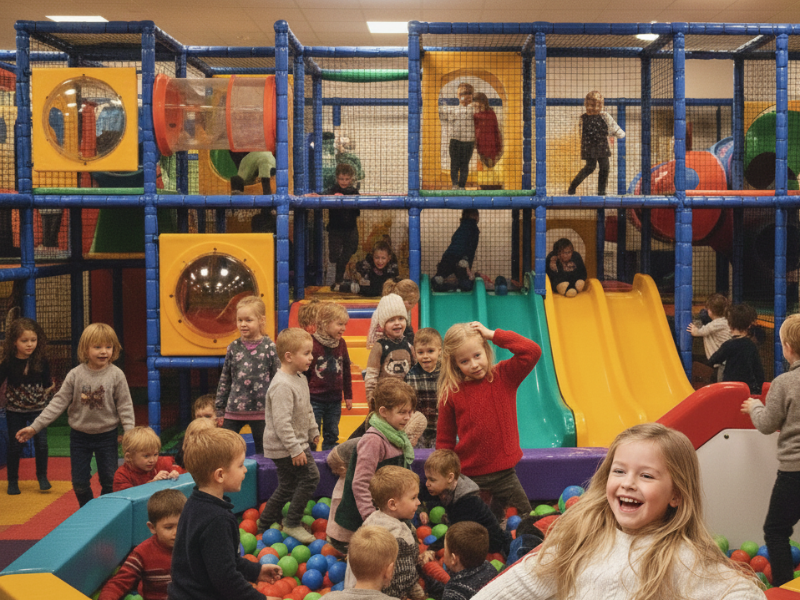

Winter brings families indoors, especially when cold weather limits outdoor activities. Indoor play areas become gathering spots where children can socialize, burn energy. While these spaces offer fun and convenience, they also present a lesser known risk that many parents overlook during colder months. Head lice thrive in environments where close contact is common, making indoor play areas a prime setting for transmission.
Understanding how lice spread, why winter increases exposure, and what parents can do to protect their children helps reduce stress and prevent outbreaks. With the right knowledge and support, families can enjoy indoor play spaces without constant worry.
Why Winter Increases Lice Risks
Cold weather encourages families to spend more time indoors. Children wear hats, scarves, and jackets, often piling them together on shared hooks or benches. These items come into close contact, creating opportunities for lice to move from one child to another. Indoor play areas also tend to be crowded during winter, increasing the chances of head to head contact during play.
Unlike seasonal illnesses, lice do not die off in winter. They remain active and spread when children gather in enclosed spaces. Parents may also be less vigilant during winter, assuming lice are more common in warmer months. This false sense of security can delay detection and allow infestations to spread unnoticed.
How Indoor Play Areas Contribute to Transmission

Indoor play areas are designed for movement, interaction, and shared experiences. Foam pits, climbing structures, ball areas, and dress up corners encourage close proximity. Children lean close while playing, resting, or waiting their turn. Even brief contact can be enough for lice to transfer.
Shared seating areas and soft surfaces can also play a minor role. While lice primarily spread through direct head contact, items like cushions, helmets, or costumes may occasionally carry lice if used immediately after an infested child. Winter crowds mean faster turnover and less time for thorough cleaning between uses.
Common Misconceptions That Delay Action
One of the most common misconceptions is that lice only affect certain households or hygiene levels. Lice do not discriminate. They are just as likely to infest clean hair as unwashed hair. Another myth is that lice can jump or fly. They cannot. They crawl and rely on close contact to move between heads.
Parents may also believe that itching is always the first sign. In reality, many children show no symptoms for weeks. By the time itching begins, lice may have already spread to classmates or playmates. This delay often leads to frustration and confusion when infestations seem to appear suddenly.
The Emotional Impact on Families
Discovering lice can feel overwhelming. Parents often experience guilt, embarrassment, or anxiety about how others will react. Children may feel uncomfortable or worried about being excluded from activities. Winter schedules already feel hectic, and adding lice treatment into the mix can increase stress.
Indoor play areas are meant to be joyful spaces. When lice become part of the conversation, families may avoid outings altogether. Understanding that lice are common and manageable helps remove stigma and allows parents to respond calmly and effectively.
Prevention Tips for Indoor Play Visits
Prevention starts with awareness. Parents can take simple steps to reduce risk without limiting fun. Encouraging children to avoid head to head contact during play can help, though this is not always realistic with younger kids. Tying back long hair and using hair products that make hair less appealing to lice may provide additional protection.
Avoid sharing hats, helmets, or costumes when possible. Teach children to keep their personal items together and separate from others. After visiting indoor play areas, a quick hair check at home can catch issues early before they spread.
Why Early Detection Matters
Catching lice early makes treatment easier and prevents wider outbreaks. Regular checks are especially important during winter when indoor activities increase. Parents should look for live lice and eggs near the scalp, particularly behind the ears and at the nape of the neck.
Early detection also reduces disruption to routines. Addressing lice promptly can prevent missed school days, canceled activities, and repeated treatments. Knowledge and consistency are key to staying ahead of the problem.
Professional Support Makes a Difference
Many families try to handle lice on their own, often with mixed results. Over the counter products may not always work as expected, leading to repeated attempts and frustration. Professional services offer expertise, precision, and peace of mind.
Seeking a trusted lice treatment provider ensures thorough removal and guidance on preventing reinfestation. Professionals understand the life cycle of lice and use proven methods to address both live lice and eggs. This approach saves time and reduces stress for parents and children alike.
Safe and Effective Product Options
Using the right products is essential for successful treatment. Not all solutions are created equal, and some may be harsh or ineffective. Families benefit from using products designed specifically for lice removal and prevention.
High quality lice removal products are formulated to target lice without unnecessary chemicals. When used correctly, they support successful treatment and help prevent future infestations. Choosing reliable products reduces the trial and error that many families experience.
Families who want clarity often look for guidance beyond generic advice. Access to proven lice removal products helps streamline care at home, while professional insight reduces uncertainty. These options support consistent routines, clearer expectations, and better outcomes for parents managing winter exposures in busy play centered schedules for growing families everywhere.
Cleaning Without Overdoing It
When lice are discovered, many parents feel compelled to deep clean their entire home. While some cleaning is necessary, excessive measures are usually unnecessary. Lice do not survive long away from the scalp. Washing recently used bedding, hats, and clothing in hot water is typically sufficient.
Indoor play areas often follow routine cleaning protocols, but parents can ask about sanitation practices for reassurance. Focusing on direct treatment and personal items is more effective than extensive home cleaning that adds stress.
Talking to Children About Lice
Open communication helps children feel supported. Explaining lice in simple, factual terms reduces fear and embarrassment. Emphasize that lice are common and not a result of anything they did wrong. Reassure them that treatment will help and that they can return to normal activities soon.

Encouraging children to speak up if they feel itching or discomfort also supports early detection. Creating a calm, non judgmental environment makes it easier to manage lice if they occur.
Community Awareness and Responsibility
Indoor play areas thrive on community trust. When families act responsibly by checking for lice and treating promptly, everyone benefits. Informing close contacts allows others to check and address potential issues early.
Winter brings people together indoors. Shared awareness helps keep play spaces welcoming and safe. Lice management becomes easier when families view it as a shared responsibility rather than a personal failure.
Choosing Reliable Help When It Matters
Not all lice solutions deliver the same results. Families need support that is knowledgeable, efficient, and compassionate. Choosing a provider with experience and proven methods can make a challenging situation manageable.
When parents feel confident in the solution, children feel reassured as well. Reliable help reduces downtime and helps families return to their routines with confidence.
Conclusion
Indoor play areas offer warmth, connection, and fun during winter, but they also increase the risk of lice transmission. Understanding how lice spread, recognizing early signs, and taking preventive steps empower families to stay ahead of the problem. With professional support, effective products, and clear communication, lice do not have to disrupt winter activities.
If you want to learn more about trusted solutions and guidance, explore reliable lice treatment on the LiceDoctors website and discover how expert care helps families keep indoor play experiences positive and stress free this winter season.