
.svg)
.svg)



When winter hits, most parents start worrying about colds, flu, dry skin, and endless layers of laundry. Head lice usually aren’t high on the list. After all, it’s cold outside, kids are bundled up, and summer camps are long over.
But here’s the truth that often surprises families: lice don’t take the winter off.
Every year, LiceDoctors treats thousands of cases during the coldest months. December through February can be just as busy as the back-to-school season. The difference is that winter lice tend to spread more quietly and stick around longer before parents realize what’s going on.
This guide will walk you through everything you need to know about lice removal in winter. We’ll explain why lice are still active, how cold weather affects infestations, what changes (and what doesn’t) when it comes to treatment, and how to protect your family without panic or guesswork.
If you’re dealing with lice right now, or you want to be prepared, you’re in the right place.
Can You Get Lice in the Winter?
Yes. Absolutely.
Head lice live on the human scalp, not in the environment. They don’t care if it’s snowing, raining, or 95 degrees outside. As long as they have access to a warm head and a blood supply, they’re perfectly happy.
Cold weather does not kill lice on the head. It doesn’t slow them down. It doesn’t make them go dormant. Once lice are established, they continue their life cycle normally, regardless of the season.
What does change in winter is how lice spread and how quickly families notice symptoms.
Why Lice Are Common During Cold Months
Winter actually creates several perfect conditions for lice transmission, especially among school-age children.

More Time Indoors
When it’s cold outside, kids spend more time inside classrooms, after-school programs, playrooms, and homes. Close contact increases, and lice spread through direct head-to-head contact.
This doesn’t require obvious behavior. Kids lean together to look at screens, sit close on couches, whisper during class, or huddle under blankets while watching movies.
Hats, Scarves, and Hoods
While lice are most commonly spread through head-to-head contact, winter accessories can contribute when shared.
Kids swap hats at school, borrow scarves from friends, or pile winter gear together in cubbies. While lice don’t prefer to leave the head, this kind of close, repeated contact raises the risk.
Dry Indoor Air Masks Symptoms
One of the first signs of lice is itching. In winter, many people experience dry, itchy scalps from indoor heating. This can delay suspicion and allow lice to go unnoticed longer than they would in warmer months.
By the time lice are discovered, the infestation may already be well established.
Do Lice Behave Differently in Cold Weather?
The lice themselves behave the same year-round. Their biology doesn’t change with the seasons.
However, winter conditions affect how infestations are detected and treated.
Longer Undetected Infestations
Because itching is often blamed on dryness or dandruff, lice may go unnoticed for weeks. During that time, adult lice continue laying eggs (nits), increasing the size of the infestation.
More Nits, More Work
Cold-weather infestations often involve more nits attached close to the scalp. These eggs are cemented firmly to the hair shaft and require careful, professional removal.
Increased Treatment Frustration
Families may try over-the-counter treatments multiple times during winter, only to see lice return. This is often due to treatment resistance, missed nits, or reinfestation.
Common Myths About Winter Lice
Let’s clear up a few misconceptions that cause unnecessary stress or delays in treatment.
“Lice Can’t Survive in the Cold”
Lice can’t survive off the head for long, but cold weather outside doesn’t affect lice living on a scalp. Hats and winter air don’t kill them.
“We Haven’t Been Anywhere, So It Can’t Be Lice”
Lice don’t require travel, camps, or sleepovers. School, daycare, playdates, and even brief close contact are enough.
“We Clean Our House, So Lice Isn’t Possible”
Lice has nothing to do with cleanliness. They prefer clean hair and don’t live in carpets, furniture, or pets.
How Winter Affects Lice Treatment
While the treatment process itself doesn’t change, winter introduces a few challenges that make professional lice removal especially valuable.
Thick Hair and Hats
Winter often means hats, hoods, and less frequent hair washing. This can make it harder to spot lice early and more difficult to remove nits thoroughly at home.
Overuse of Chemical Treatments
Parents often reach for medicated shampoos first. In winter, repeated treatments are common because families assume the cold “should have killed the lice by now.”
The reality is that many lice are resistant to over-the-counter products. Reapplying them can irritate the scalp without solving the problem.
Busy Schedules
Between school, holidays, and winter activities, families are stretched thin. Lice removal is time-consuming, and incomplete treatment often leads to reinfestation.
The Safest and Most Effective Way to Remove Lice in Winter
The goal of lice treatment is simple: remove all live lice and all nits, in one thorough process.
That’s it. No guesswork. No repeated chemical exposure. No waiting weeks to see if it worked.
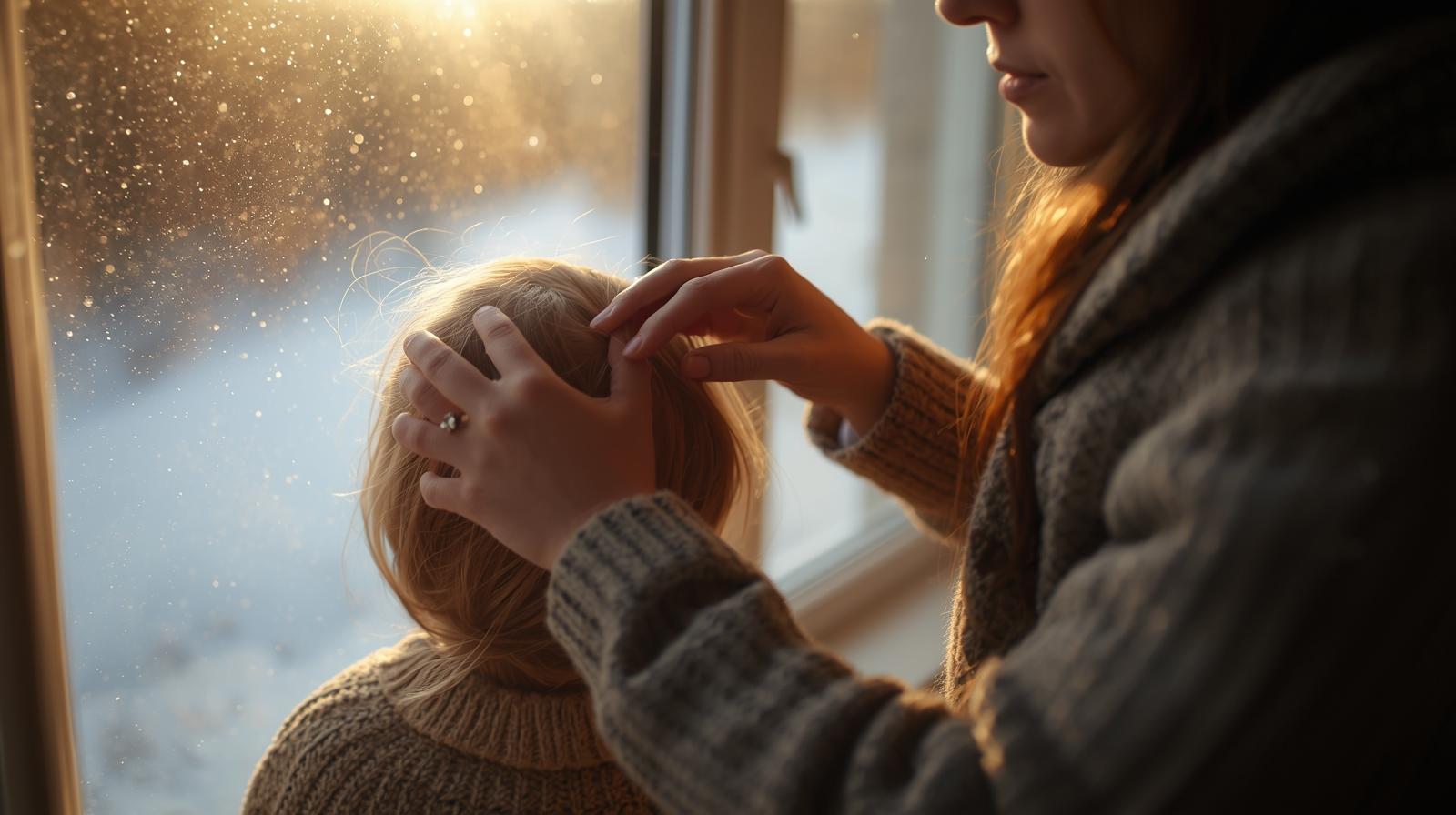
Manual Lice Removal
Manual lice removal uses professional tools, techniques, and trained specialists to:
- Identify active lice and eggs
- Remove lice and nits strand by strand
- Ensure nothing is left behind
This method is safe for all ages, including infants, pregnant women, and individuals with sensitive skin.
It’s also the most effective approach for winter infestations, which tend to involve more eggs and longer-standing cases.
Why Professional Lice Removal Matters More in Winter
LiceDoctors specializes in year-round lice treatment, including the challenges unique to colder months.
In-Home Convenience
Winter weather makes travel harder. Snow, ice, and freezing temperatures aren’t ideal for hauling kids to appointments.
LiceDoctors come to your home, eliminating exposure, stress, and scheduling headaches.
One-Visit Resolution
Professional treatment focuses on complete removal in a single visit whenever possible. This prevents lice from lingering through the winter months or resurfacing after school breaks.
Education and Prevention
Families receive clear guidance on how to prevent reinfestation, what to watch for, and when to recheck hair. This reassurance is especially important during long indoor seasons.
Should You Wash Everything Again in Winter?
This is one of the biggest sources of unnecessary stress.
The short answer: no.
Lice lives on the scalp. They do not infest homes. Excessive cleaning is not only unnecessary but exhausting.
What Actually Needs to Be Done
- Wash pillowcases, hats, and recently worn clothing in hot water
- Dry items on high heat
- Bag non-washable items for 24 to 48 hours if desired
That’s it.
You do not need to deep clean your house, throw away stuffed animals, or use lice sprays on furniture. These steps don’t improve outcomes and often increase anxiety.
Winter Lice Prevention Tips That Actually Work
Prevention in winter is about awareness, not fear.
Regular Head Checks
Check your child’s scalp weekly, especially behind the ears and at the nape of the neck. This is the best way to catch lice early.
Tie Long Hair Back
Braids, buns, and ponytails reduce the chance of head-to-head contact during play.
Avoid Sharing Personal Items
Remind kids not to share hats, helmets, brushes, or scarves.
Act Quickly
If lice are suspected, address it right away. Waiting allows the infestation to grow and spread.
When to Call a Professional
There are times when home treatment just isn’t enough, especially during the colder months when lice can go unnoticed longer. You should consider professional lice removal if any of the following apply to your situation.
If you’ve already tried over-the-counter treatments and lice keep coming back, this is often a sign of treatment resistance or missed nits. Many lice no longer respond to medicated shampoos, and repeating them can irritate the scalp without fully solving the problem.
If you see live lice or a large number of nits close to the scalp, the infestation may already be well established. Winter cases often reach this stage before being discovered because itching is mistaken for dry skin or seasonal irritation.
Recurring infestations are another reason to seek professional help. If your child has been treated more than once in a short period of time, it usually means some lice or eggs were left behind, or reinfestation occurred. A thorough, professional removal can break that cycle.
You may also want professional treatment if you’re looking for a fast, safe, and thorough solution. Manual lice removal eliminates both live lice and nits in one careful process, saving families weeks of frustration during an already busy season.
Finally, many parents prefer to avoid chemical treatments altogether, especially in winter when skin is already sensitive. Professional lice removal offers an effective, non-toxic option that’s safe for children of all ages.
Winter lice cases often fall into these categories because infestations are harder to spot and more established by the time they’re discovered. Getting professional help early can make removal easier and prevent lice from lingering throughout the colder months.

Reassurance for Parents
Finding lice can feel overwhelming, especially in winter when everyone is already tired and busy. But lice are not dangerous. They don’t spread disease. They don’t reflect on parenting, hygiene, or home care.
They’re simply a common childhood issue that requires proper treatment.
With the right approach, lice can be removed completely and safely, even during the coldest months.
Final Thoughts: Lice Don’t Care About the Weather, But You Can Be Prepared
Lice removal during the coldest months doesn’t have to be harder, scarier, or more stressful than any other time of year. While winter brings its own challenges, lice remain a year-round issue that requires the same careful, thorough approach no matter the season.
The most important steps are knowing what to look for, recognizing symptoms early, and choosing an effective treatment the first time. When lice are caught and removed properly, families can avoid weeks of frustration, repeat treatments, and unnecessary stress.
If your family is dealing with lice this winter, professional help can make a real difference. LiceDoctors provides safe, proven, and in-home lice removal services designed to fully eliminate lice and nits, even during the busiest and coldest months of the year. With expert care and clear guidance, you can resolve the problem quickly and get back to your normal routine with confidence.
Cold weather may stick around, but lice don’t have to.


.webp)