.svg)
.svg)

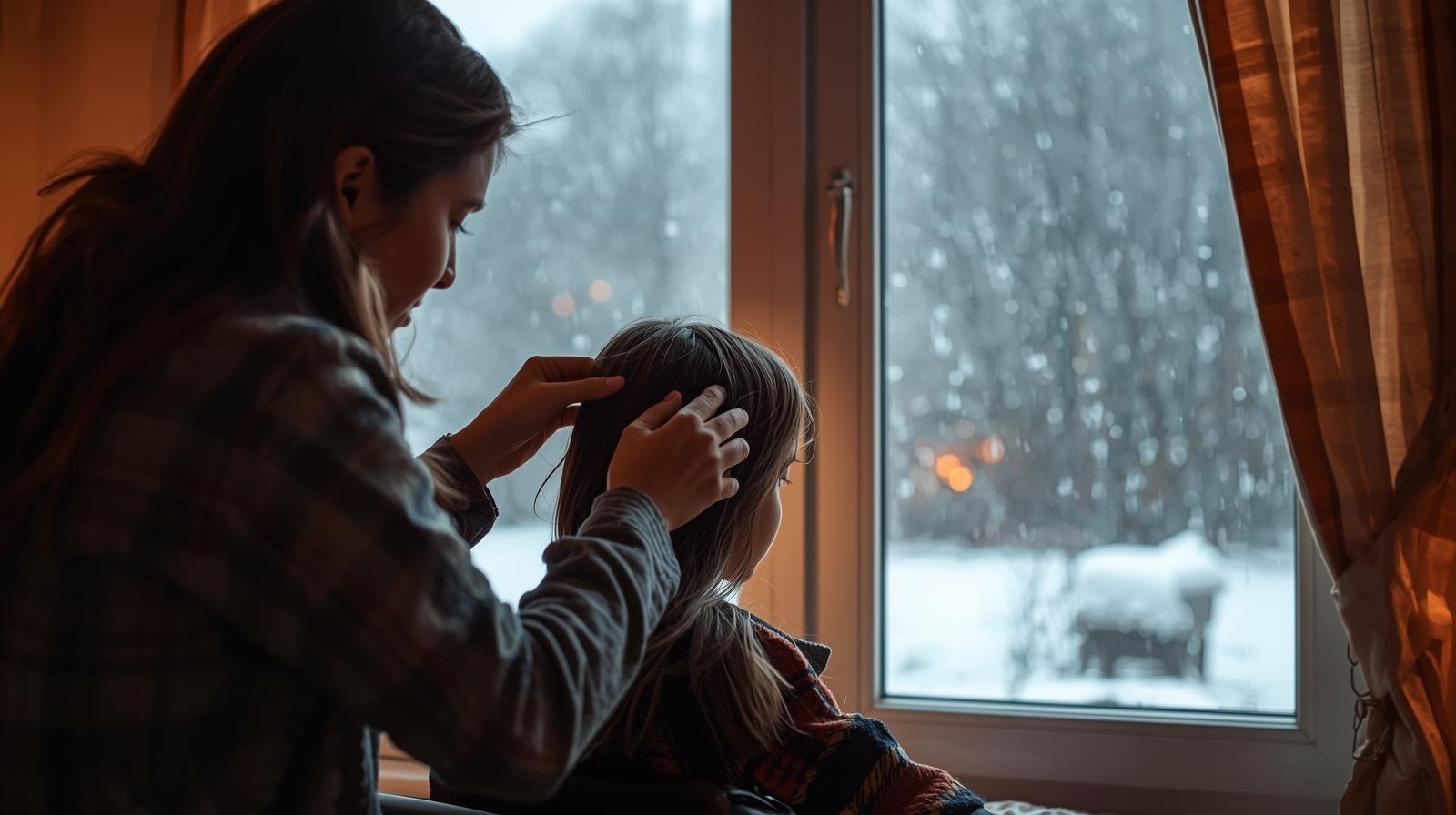

If you’ve ever found lice in your child’s hair during winter, you’ve probably asked yourself the same thing countless parents do:
“Wait… doesn’t cold weather kill lice?”
It sounds logical. Most bugs die in freezing temperatures. So shouldn’t lice disappear once winter hits?
Not quite.
Cold weather doesn’t eliminate lice, and in some cases, winter conditions can actually make outbreaks more common. Here’s what really happens, why the myth persists, and what actually works to stop an infestation.
Quick Answer
Does cold weather kill lice?
No. Cold outdoor temperatures do not reliably kill head lice living on a person’s scalp. Lice survive because they depend on the warmth and blood supply of the human head. Even freezing outdoor temperatures usually don’t affect lice unless they are exposed for an extended period without a host.
In fact, lice can remain active year-round, including winter.
Why This Myth Exists
The cold-weather myth comes from a simple assumption:
- Insects die in freezing weather.
- Lice are insects.
- Therefore, cold weather should kill lice.
But here’s the missing piece:
Head lice are not outdoor insects.
They are human parasites. Their entire survival system revolves around one thing: your scalp.
Unlike mosquitoes or ants, lice do not live in the environment long-term. They don’t build nests in your yard or burrow into soil. They live directly on humans.
That changes everything.
Understanding Head Lice: How They Actually Survive
To understand why cold weather doesn’t kill lice, you have to understand how lice live.
Head lice:
- Feed on human blood several times a day
- Require the consistent warmth of the scalp (around 86–98°F)
- Cannot regulate their body temperature
- Die quickly without a host
They are fully dependent on us.
According to the Centers for Disease Control and Prevention (CDC), lice survive by staying close to the scalp where temperature and humidity remain stable. As long as they’re attached to a human head, outside weather conditions don’t matter.
Think of lice like tiny heat-seeking passengers. As long as they’re on someone’s head, winter is irrelevant.
So What Happens If Lice Are Exposed to Cold?
Now here’s where things get more nuanced.
If lice are removed from the scalp and exposed to freezing temperatures for an extended time, they can die.
But there are conditions:
- They must be exposed long enough.
- The temperature must be consistently below freezing.
- They must not return to a warm host.
In real life, that rarely happens.
For example:
- A hat briefly left in a cold car? Not long enough.
- Walking outside without a hat? The scalp stays warm.
- Cold air touching the hair? The lice are near the scalp, not the outer strands.
Lice don’t hang out on the surface of your hair waiting to freeze. They stay close to warmth and blood.

Why Winter Doesn’t Stop Lice Outbreaks
Here’s something surprising:
Lice cases don’t disappear in winter.
In fact, they often increase.
Why?
1. More Indoor Contact
During cold months:
- Kids spend more time indoors.
- Classrooms are crowded.
- Sleepovers increase.
- Families gather for holidays.
Close head-to-head contact spreads lice. Winter creates the perfect conditions for transmission.
2. Shared Cold-Weather Gear
Scarves. Hats. Hoodies. Coats.
Although lice primarily spread through direct contact, shared personal items can occasionally play a role. Kids pile winter gear together at school. Items touch. Heads bump.
Cold weather creates more opportunities for indirect contact.
3. Dry Scalp Doesn’t Affect Lice
Some people believe dry winter air makes it harder for lice to survive.
It doesn’t.
Lice lives against the scalp where humidity remains stable due to body heat and natural oils.
Winter dryness doesn’t reach them.
Can Freezing Household Items Kill Lice?
You may have heard this advice:
“Put everything in a plastic bag and freeze it.”
Let’s clarify.
Freezing items can kill lice if:
- The temperature is 0°F or below.
- The item stays frozen for at least 10–24 hours.
- Lice are actually present on the item.
But here’s the key:
Lice rarely survive long off the scalp anyway.
Most lice die within 24–48 hours without feeding.
So freezing items is usually unnecessary. Washing bedding and clothing used within the past two days in hot water and drying on high heat is sufficient.
There’s no need to deep-freeze your house.
What About Lice Eggs (Nits)? Does Cold Kill Them?
Eggs are even more resilient than live lice.
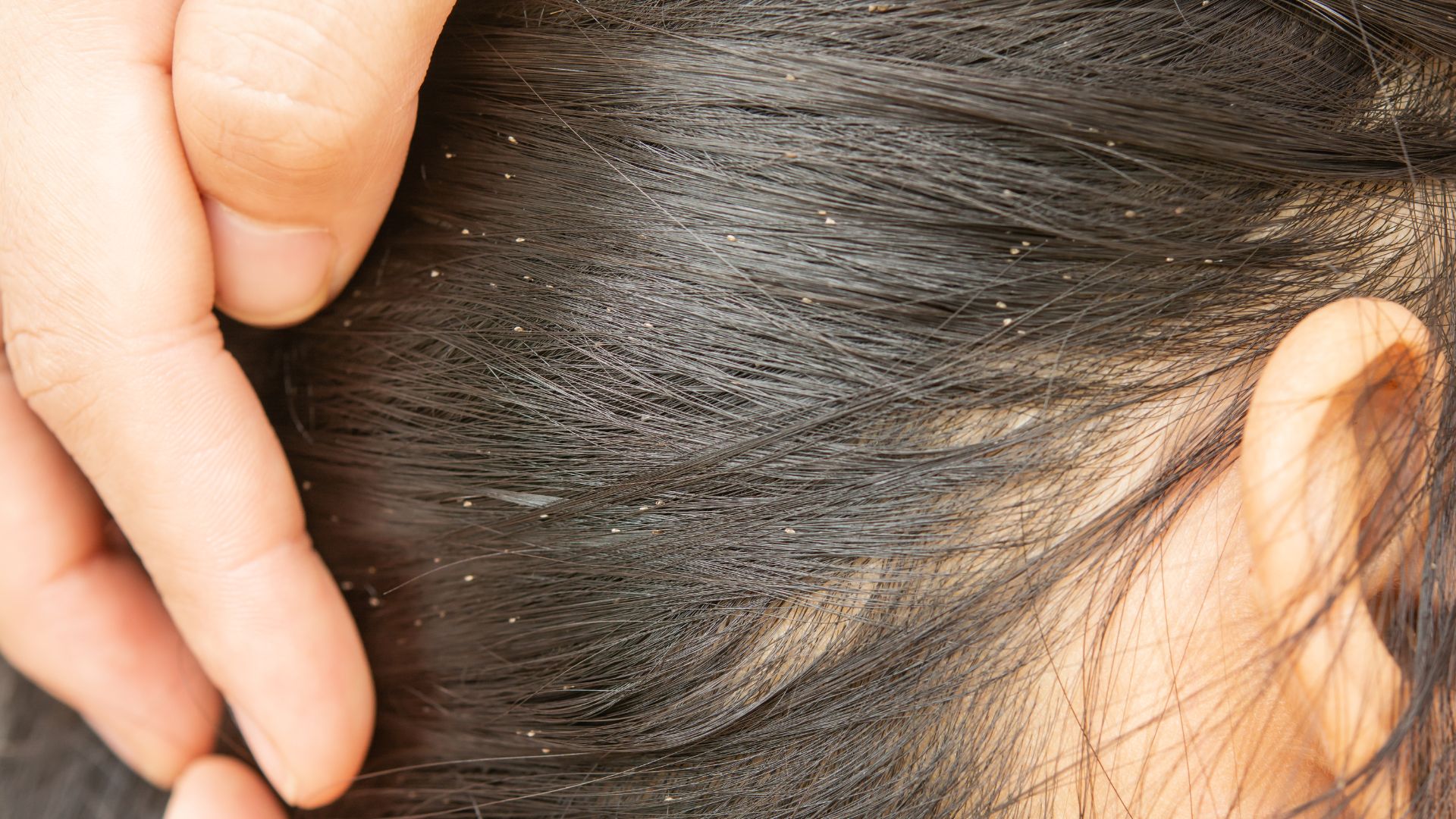
Nits are cemented to hair shafts close to the scalp. They rely on scalp warmth to incubate.
Brief exposure to cold air won’t kill them.
To destroy nits through temperature alone, you would need prolonged exposure to freezing conditions, and that’s simply not realistic while they’re attached to someone’s head.
This is why winter weather does not solve an active infestation.
Professional Insight from Lice Treatment Experts
At LiceDoctors, professional lice technicians treat infestations year-round, including the coldest months.
The pattern is consistent:
- Winter cases are common.
- Cold weather does not reduce infestations.
- Families are often surprised when lice persist through freezing temperatures.
The most important takeaway?
Weather doesn’t determine lice survival. Host contact does.
Other Common Lice Myths (While We’re Here)
Since we’re busting the cold-weather myth, let’s clear up a few others.
Myth #1: Lice Prefer Dirty Hair
False.
Lice don’t care whether hair is clean or dirty. They care about blood. In fact, some research suggests lice may grip clean hair more easily.
Hygiene does not cause lice.
Myth #2: Pets Spread Lice
False.
Head lice are species-specific. They only survive on humans. Dogs and cats cannot carry or transmit human head lice.
Myth #3: Lice Can Jump or Fly
Nope.
Lice crawl. They don’t hop, fly, or leap from head to head. Transmission happens through close contact.
Myth #4: Cold Weather “Shocks” Them Off the Head
Also false.
Lice cling tightly with specialized claws designed to grip human hair shafts. Cold air does not make them lose their grip.
Why Relying on Weather Is Risky
If parents believe cold weather kills lice, they may:
- Delayed treatment.
- Skip thorough combing.
- Assume the problem will resolve on its own.
That delay allows lice to:
- Lay more eggs.
- Spread to siblings.
- Spread to classmates.
- Turn a small issue into a larger outbreak.
Lice reproduces quickly. A single female can lay 6–10 eggs per day.
Time matters.
What Actually Kills Lice?
If cold weather doesn’t work, what does?
Here are evidence-based approaches:
1. Manual Removal (Combing)
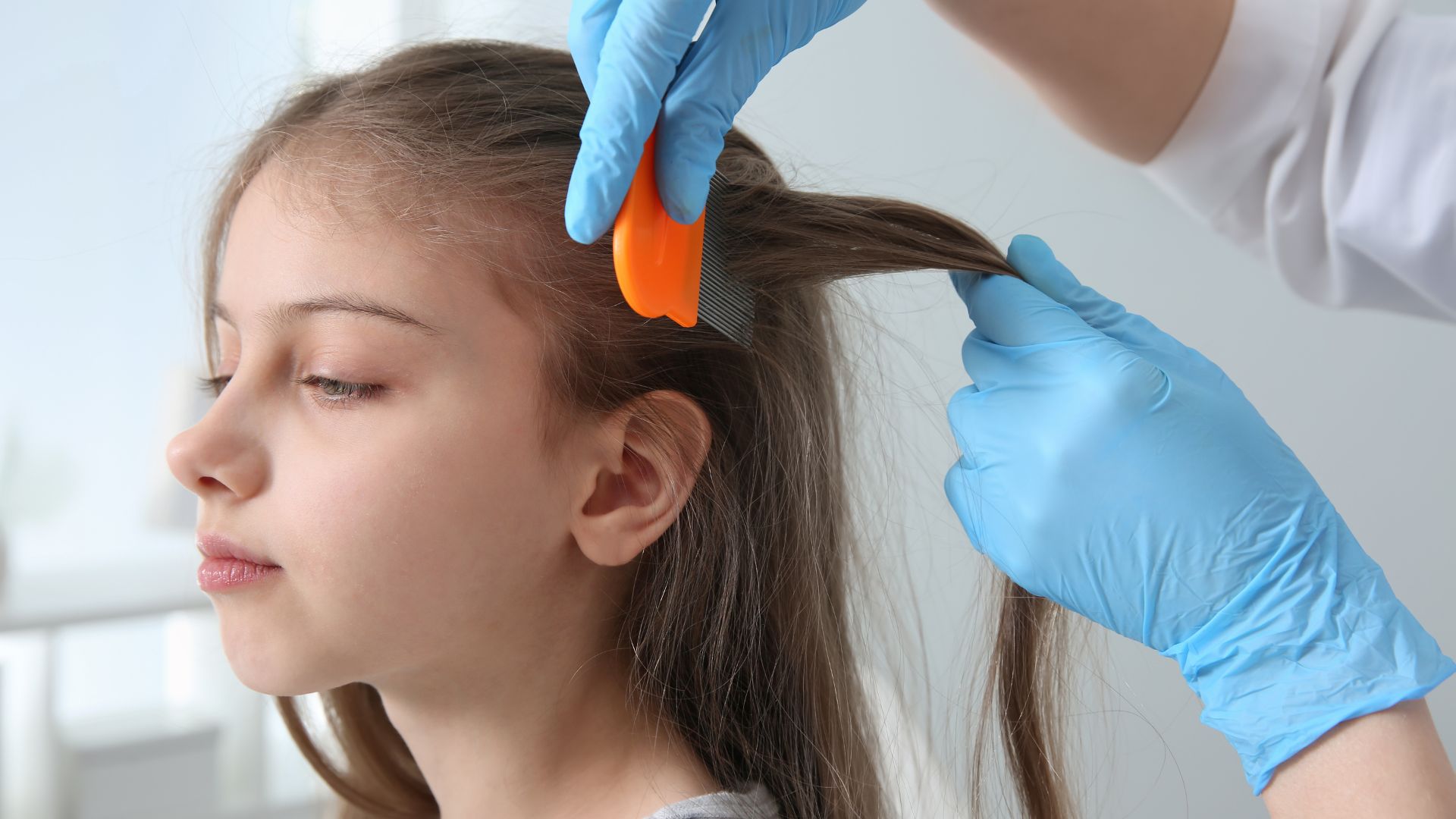
Thorough combing with a professional-grade nit comb remains one of the most effective methods.
It requires:
- Good lighting
- Patience
- Sectioning hair carefully
- Multiple sessions
This method physically removes lice and eggs.
2. Professional In-Home Treatment
Professional services provide:
- Trained technicians
- Systematic removal
- Follow-up guidance
- Peace of mind
Families often choose this route when over-the-counter treatments fail.
3. FDA-Approved Topical Treatments
Some medicated shampoos are effective, though resistance to certain chemical treatments has increased in many regions.
It’s important to follow directions precisely.
4. Heat (Controlled, Not Weather-Based)
Specialized medical-grade heated air devices used by professionals can dehydrate lice and eggs effectively. This is not the same as going outside in winter.
Controlled heat is targeted and sustained.
What You Don’t Need to Do
When lice appear during winter, panic often follows. Let’s simplify things.
You do not need to:
- Spray your house with chemicals.
- Bag every toy for months.
- Throw away pillows.
- Shave heads.
- Freeze your home.
Lice survival off the head is limited. Focus on treating the scalp and washing recently used bedding and clothing.
That’s it.
Why Lice Thrive Regardless of Season
Lice have survived for thousands of years.
They:
- Adapt to human behavior.
- Depend entirely on human warmth.
- Spread in social environments.
- Reproduce efficiently.
Winter doesn’t disrupt their life cycle because their environment, the human scalp, stays consistent year-round.
The scalp is their ecosystem.
Reassurance for Parents
Finding lice is stressful. Finding lice in winter can feel even more frustrating because you might assume the cold should have prevented it.
But here’s the reassuring truth:
- Lice are common.
- They are not dangerous.
- They do not spread disease.
- They are treatable.
Cold weather isn’t a solution, but effective treatment is.
Once addressed properly, lice can be eliminated completely.
When Should You Seek Professional Help?
Consider professional treatment if:
- You’ve tried over-the-counter products without success.
- You’re unsure if it’s lice or dandruff.
- The infestation keeps returning.
- You want fast, thorough removal.
- Multiple family members are affected.
Prompt, methodical treatment stops the cycle quickly.
The Bottom Line
Let’s put the myth to rest:
Cold weather does not kill lice living on the scalp.
Lice survive because:
- They live close to the warmth of the human head.
- They depend on blood meals.
- Outdoor temperatures rarely affect them.
- Winter increases close contact among children.
If lice are present, waiting for freezing temperatures won’t solve the problem.
Action will.
Quick FAQ
Can lice survive in freezing temperatures outside?
Yes, briefly, but they die quickly without a host. Prolonged freezing can kill them, but that rarely applies to lice on a human head.
Does going outside without a hat kill lice?
No. The scalp remains warm enough for them to survive.
Should I freeze bedding to kill lice?
No. Washing and drying on high heat is sufficient.
Is winter worse for lice?
Winter often brings more indoor contact, which can increase transmission.
Final Thoughts
Cold weather doesn’t kill lice, they live on us, not outdoors. Understanding this changes how you respond.
Instead of waiting for winter to solve the problem, focus on:
- Accurate identification
- Thorough removal
- Proper follow-up
- Preventing head-to-head spread
With the right approach, lice can be eliminated safely, in any season.
If you’re dealing with lice right now, don’t stress. It’s manageable, common, and temporary. For fast, professional help, LiceDoctors offers in-home treatments by trained technicians to get rid of lice effectively and safely.
Remember: the weather doesn’t control lice. You do.
.jpg)