.svg)
.svg)



Winter changes a lot of our daily routines. We bundle up, spend more time indoors, and rely more heavily on public transportation. For many families, winter also means crowded buses, packed subway cars, school carpools, and shared seating everywhere you turn.
If you’ve ever stepped off a train in January and thought, “Should I be checking my kid’s head?” you’re not alone.
At LiceDoctors, we hear this question all the time. Parents worry that public transportation increases the risk of head lice, especially during colder months when hats, scarves, and coats are constantly touching.
The good news? You don’t need to panic.
The better news? A simple lice check after public transportation can give you peace of mind and help you catch a problem early if one exists.
This guide walks you through everything you need to know, without fear-mongering or guesswork.
Why Winter Raises Lice Concerns for Parents
Head lice don’t appear because someone is dirty, careless, or doing something wrong. They spread simply because kids and adults spend time close to one another. Winter just happens to create more situations where that closeness is unavoidable.
When the weather gets colder, daily routines change. People bundle up, move indoors, and rely more on shared spaces. For parents, this often raises questions about lice, especially when kids are riding buses, trains, or subways to school and activities.
Here are some of the common reasons parents tend to worry more about lice during the winter months:
- People sit closer together on buses and trains to stay warm or make room during crowded commutes
- Kids wear bulky hats, hoods, and scarves that can brush against others
- Coats, backpacks, and winter accessories pile up in shared lockers, bins, or classroom hooks
- Schools and after-school programs shift activities indoors, increasing close contact
- Families rely more on public transportation when cold, snow, or ice limits walking
None of these situations guarantee lice exposure. Most of the time, they don’t lead to any problems at all. However, they do increase the chances of head-to-head contact, which is how lice spread.
That’s why winter is a smart time to stay aware and build simple habits, like routine lice checks, without feeling worried or anxious. A little awareness goes a long way and can give parents peace of mind throughout the season.
Can You Really Get Lice From Public Transportation?
Let’s clear this up right away, because this is one of the biggest concerns we hear from parents.

Head lice spread almost exclusively through direct head-to-head contact.
They do not jump. They do not fly. They crawl.
That’s an important distinction. It means that simply riding a bus, sitting on a train seat, or brushing past someone in a subway station does not automatically put you or your child at risk.
In reality, the overall risk from public transportation is possible but limited.
Lice needs a human scalp to survive. Once they’re off their heads, they don’t live very long. That’s why you’re very unlikely to pick up lice just from sitting on a bus seat, leaning against a subway wall, or touching a handrail. Those surfaces don’t provide the warmth or access to blood that lice need.
Where the risk can increase is during moments of close, prolonged contact, especially with children.
Higher-risk situations on public transportation may include:
- Children leaning their heads together while sitting side by side
- Kids falling asleep on long rides with heads touching
- Crowded trains or buses where people are pressed closely together
- Sharing hats, headphones, scarves, or hoods
- Coats, hats, and scarves being piled together at school after commuting
Even in these situations, exposure is not guaranteed. It simply means there’s a greater opportunity for lice to move from one head to another if lice are already present.
So yes, lice exposure can happen on public transportation. But when it does, it’s usually because of direct head contact, not because of casual seating, shared space, or everyday commuting.
Understanding this helps families stay aware without becoming overly worried, which is exactly the balance most parents are looking for.
Why Winter Clothing Plays a Role
Winter clothing doesn’t cause head lice. Lice don’t suddenly appear because it’s cold outside. But the way we dress in winter can make it easier for lice to move from one head to another if they’re already present.
During colder months, kids are constantly putting on and taking off extra layers. Hats, scarves, hoods, and bulky coats get tossed into shared bins, piled onto hooks, or stacked together in classrooms and after-school programs. It’s common to see hooded coats brushing against each other in lockers or scarves draped over backpacks and chairs.
Think about everyday situations like these:
- Knit hats tossed into a shared classroom bin
- Hooded coats touching while hanging side by side
- Scarves draped over chairs, desks, or backpacks
- Kids trading hats because “mine is itchy” or “I forgot mine”
Lice don’t prefer fabric, and they don’t survive long away from a human scalp. Still, if a hat or scarf is worn by someone with an active lice infestation and then quickly worn by another child, there is a small chance of transfer. This risk is low, but it’s higher in winter simply because these items are used more often and handled more casually.
That’s why simple habits matter more during colder months. Small changes can significantly reduce risk, without adding stress or extra work to your day.
Helpful winter habits include:
- Labeling hats, scarves, and coats clearly
- Reminding kids not to share headwear, even with friends
- Separating coats and accessories when possible
- Doing quick, routine lice checks at home
These steps aren’t about being overly cautious. They’re about staying practical and informed. Winter brings enough challenges on its own, and a few mindful habits can go a long way toward keeping lice concerns off your worry list.
Should You Do Lice Checks After Public Transportation?
You don’t need to check your child’s hair after every bus or train ride. That would be exhausting, and unnecessary. The goal isn’t to create stress, but to stay proactive and catch a potential problem early. Think of lice checks as a small, simple habit that gives big peace of mind.
Regular checks during winter are especially helpful for a few reasons:
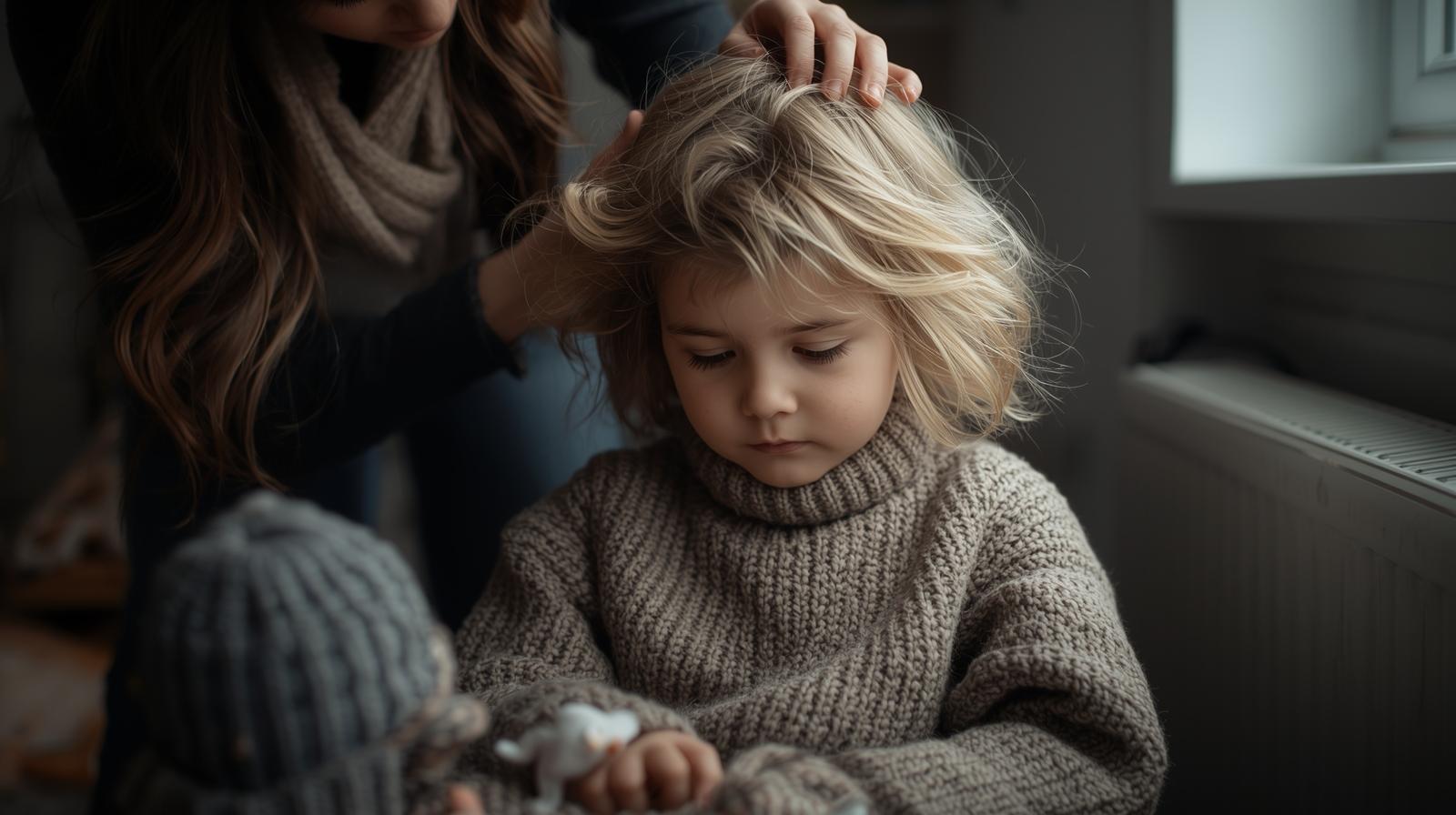
- Your child uses public transportation daily. Crowded buses and trains increase head-to-head contact, even if it’s just leaning against a friend’s shoulder while reading or napping.
- There’s a lice notice at school. If teachers send home a warning, a quick check can prevent a full-blown infestation from sneaking in unnoticed.
- Your child has close contact with other kids. Playdates, after-school programs, or sports practices can all create opportunities for lice to move from one head to another.
- You notice frequent head scratching. Even mild itching or complaints of a “tickly scalp” deserve a quick look, it’s better to check and be reassured than to ignore it.
- You’ve had lice in your household before. Lice can return, so if someone in your home recently had an infestation, a preventive check can stop them from spreading again.
For most families, a quick check once a week is plenty. It usually takes less than five minutes and can save you weeks of stress, trial-and-error treatments, and worried phone calls to the school. You can even turn it into a little routine: a cozy Sunday morning inspection while your child watches a favorite cartoon, or a quick check right after bath time on a weeknight.
The key is consistency, not obsession. Regular checks give you confidence that your child is lice-free, or allow you to take action early if something is spotted. That peace of mind is worth those few minutes of attention each week.
How Often Should You Check for Lice in Winter?
At LiceDoctors, we recommend:
- Once a week for school-aged children in winter
- Twice a week if there’s a known lice case at school or daycare
- Immediately if your child complains of itching, tingling, or a crawling sensation
- After long travel days involving planes, trains, or buses
Consistency matters more than frequency. A calm, routine check is far more effective than frantic inspections after every outing.
How to Do a Proper Lice Check at Home
A lot of parents check for lice but miss early signs. That’s not because they’re careless. It’s because lice are small and fast.
Here’s how to do it correctly.
What You’ll Need
- Bright lighting or sunlight
- A fine-tooth lice comb (metal works best)
- Regular conditioner or detangling spray
- Paper towels or tissues
Where to Look First
Lice prefer warm areas close to the scalp. Focus on:
- Behind the ears
- At the nape of the neck
- Along the hairline
- Under ponytails or braids
What You’re Looking For
- Live lice: tiny, tan or gray insects that move
- Nits: oval eggs stuck to the hair shaft close to the scalp
Dandruff flakes slide easily. Nits don’t.
If you’re unsure, it’s okay. Most parents are.
Common Myths About Lice and Public Transportation
There’s a lot of misinformation out there, and winter tends to bring it out.
Let’s clear up a few myths we hear all the time.
Myth: You can get lice from bus seats
Lice can’t survive long away from a human scalp. Transmission from seats is extremely unlikely.
Myth: Only kids get lice
Adults can get lice too, especially parents who cuddle, read bedtime stories, or share close contact.
Myth: Lice prefer dirty hair
Lice prefer clean hair. Hygiene has nothing to do with it.
Myth: Cold weather kills lice
Lice live on the scalp, which stays warm year-round.
Signs of Lice Parents Often Miss
Itching is the most well-known symptom, but it’s not the only one.
Watch for:
- Complaints of tingling or crawling
- Difficulty sleeping
- Red bumps on the neck or scalp
- Frequent head scratching without dandruff
- Irritability or trouble concentrating
Some people don’t itch at all in the early stages. That’s why routine checks matter.
What To Do If You Find Lice
First, take a deep breath. Lice are annoying, but they can be treated quickly if you catch them early.
What not to do:
- Don’t panic
- Don’t shave your child’s hair
- Don’t use multiple treatments at the same time
- Don’t rely on internet hacks or harsh chemicals
What to do:
- Check carefully to make sure it’s actually lice
- Keep your child home until treatment is done
- Consider professional guidance if you’re unsure
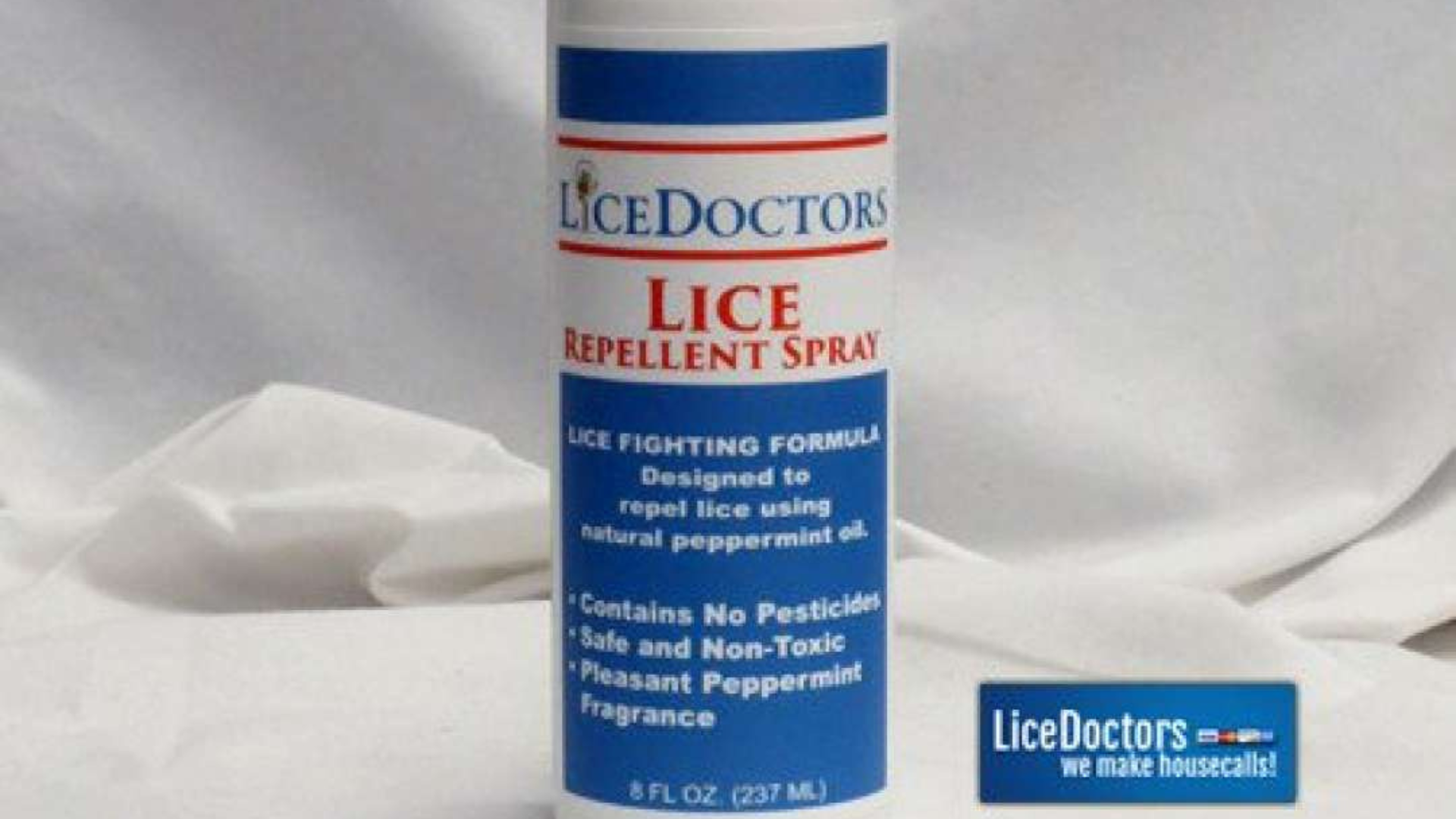
If you want a safe and effective way to start treatment at home, you can try LiceDoctors’ treatment products. They’re designed to remove lice quickly and safely, giving you peace of mind without harsh chemicals or complicated routines.
Why Professional Lice Checks Matter
Many families reach out to LiceDoctors because they’re unsure what they’re seeing on their child’s scalp, and that’s completely normal. That’s why we offer professional Head Lice Screening Services. Our screenings help you:
- Confirm whether lice are present
- Distinguish live lice from old nits
- Save time, worry, and unnecessary treatments
- Get peace of mind before deciding on any next steps
Our clinicians are trained exclusively in lice detection and removal. This isn’t a side service or afterthought, it’s what we do every day. You can learn more about our Head Lice Screening Services here.
Winter Travel, Lice, and Peace of Mind
Winter already brings enough stress. Snow days, colds, packed schedules, and constant bundling don’t leave much room for extra worries.
A simple lice check after public transportation use is not about fear. It’s about awareness.
When you know what to look for and check regularly, lice lose their power to surprise you.
Final Thoughts: Awareness Without Anxiety
Using public transportation in winter does not make head lice inevitable. It simply highlights the importance of staying informed and prepared.
Simple, consistent steps can make a big difference:
- Conduct a quick weekly lice check.
- Maintain clear communication with your children about head health.
- Seek professional support promptly if needed.
With these practices, you can manage lice risks effectively and confidently.
For professional lice checks, treatment, or guidance, LiceDoctors is here to help. Our nationwide team is ready to provide expert support whenever you need it, so you can focus on enjoying a healthy, stress-free winter