
.svg)
.svg)



There is no direct connection between fall weather and lice activity, but a surge in lice infestations often occurs in the fall due to the start of the school year. Head lice are not affected by outside temperatures because they live in the stable, warm environment of the human scalp year-round.
When the Leaves Change, Do the Lice Come Out?
Every fall, parents and teachers notice an uptick in head lice cases, just as students settle back into classrooms. It’s easy to wonder if the change in temperature has something to do with it. The short answer: not really. Lice don’t follow the weather forecast, but they do follow people, especially when kids spend more time together indoors.
So, is there really such a thing as “fall lice season”? Does cooler weather somehow trigger more lice outbreaks?
At LiceDoctors, we hear this question every year from concerned parents: “Are lice more common in the fall?” The answer is, not because of the weather itself. But fall does tend to bring a noticeable uptick in lice cases, and it’s not your imagination.
Let’s explore what’s really going on behind the scenes, why fall is often linked to lice, and what you can do to protect your family.
What Exactly Are Head Lice?
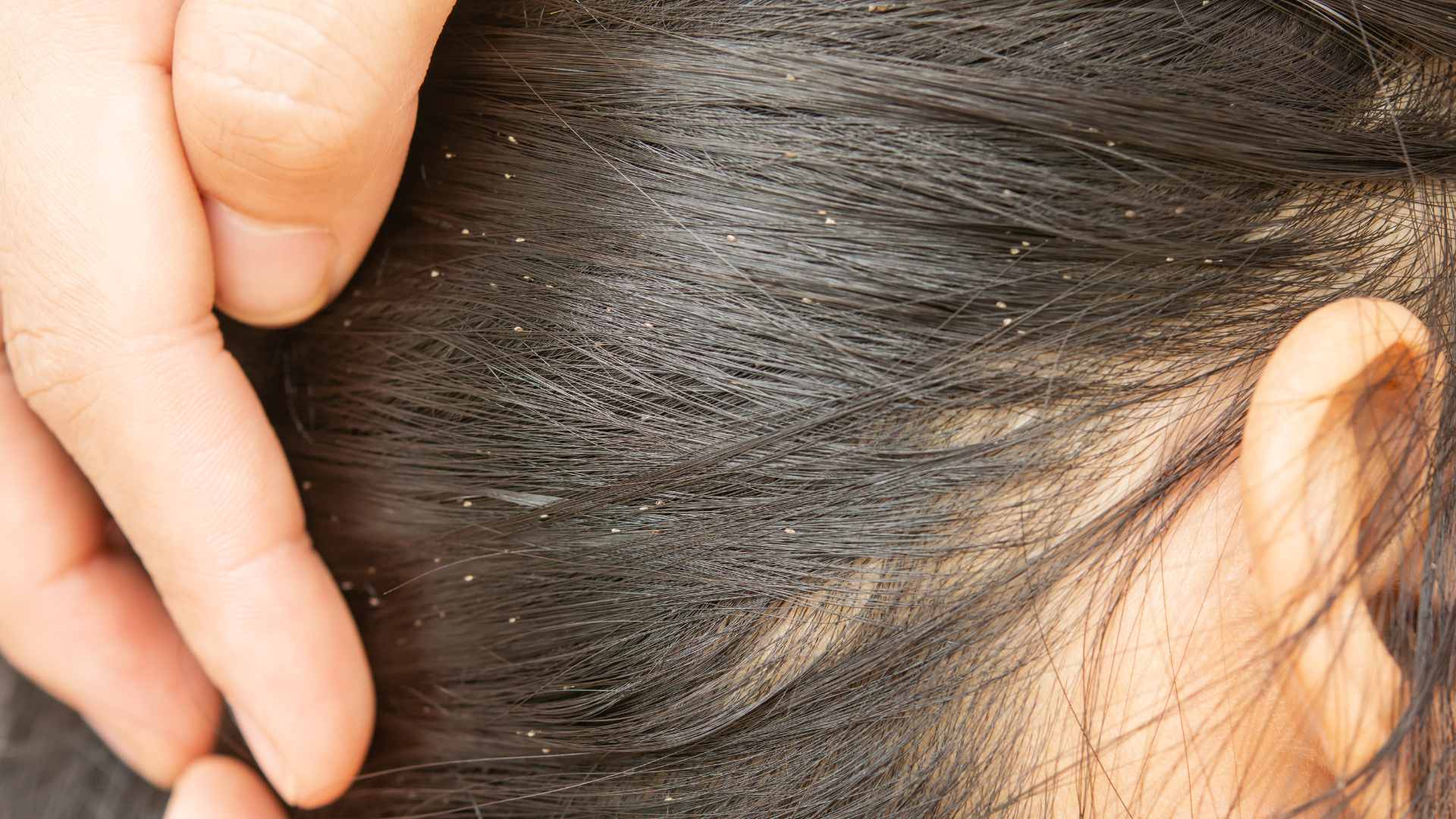
Before jumping into the science of seasons, let’s go over the basics.
Head lice (Pediculus humanus capitis) are tiny, wingless insects that live on the scalp and feed on small amounts of blood. They’re masters of close contact transmission, spreading primarily through head-to-head contact rather than poor hygiene or uncleanliness.
They don’t jump or fly, and they can’t survive long off the human head (only about a day or two). Lice cling to hair shafts and lay eggs, called nits, close to the scalp where it’s warm enough for them to hatch.
So, it’s not dirt or weather that drives lice infestations, it’s people's proximity.
Why the Fall Spike?
When we analyze the timing of lice outbreaks, it becomes clear: fall’s rise in cases is about behavior, not temperature. Here’s why:
1. Back-to-School Season
September and October bring millions of kids together again, classrooms, playgrounds, buses, and sports teams. All that close interaction creates a perfect opportunity for lice to spread.
Even a few seconds of head-to-head contact (like leaning in to look at a tablet, hugging friends, or whispering secrets) can be enough for lice to crawl from one scalp to another.
2. Summer Camps & Vacations
Many fall infestations actually start in summer. Camps, sleepovers, and family trips mean kids are sharing pillows, hats, and close space. By the time school begins, those lice have had time to multiply, making the first few weeks of fall prime detection time.
3. More Indoor Time
As temperatures cool, families and kids spend more time indoors. Whether it’s in classrooms, playdates, or after-school programs, closer quarters make it easier for lice to spread from head to head.
4. Increased Awareness & Screenings
Schools often check for lice early in the year or after long breaks. That means more cases get noticed in fall, creating the impression that lice “appear” when in fact, they were simply undetected during summer.
Do Lice Really Care About the Weather?
Here’s where the myth gets busted: lice don’t respond to outdoor weather changes. They live their entire lives within the consistent, cozy environment of your scalp, around 98.6°F (37°C).
So, whether it’s sweltering in Texas or snowing in Minnesota, lice enjoy the same comfortable conditions on your head.
What Science Says
- Lice survive best in stable, humid, and warm conditions, exactly like your scalp provides all year.
- Extreme heat or cold outside does not kill lice unless it affects body temperature (which it doesn’t in normal conditions).
- That means lice populations don’t rise or fall based on seasons, they depend on how often heads are touching.
So, while fall weather doesn’t directly cause lice, the social changes that come with fall, like school and indoor activities, absolutely do.
Why Are Lice Common in the Fall?

Lice seem to make their comeback just as the school year begins, but it’s not the cooler temperatures that bring them out. What really happens is that kids return to classrooms, sports, and playdates, all situations where head-to-head contact is common.
Head lice can’t jump or fly; they spread through direct contact. When kids huddle over a tablet, share selfies, or lean in close during group activities, lice get a free ride from one head to another. So while fall itself doesn’t cause lice, the back-to-school routine certainly gives them more chances to spread.
Does Weather Affect Lice?
Not really. Lice are surprisingly good at surviving regardless of the season because they live on the human scalp, a warm, stable environment that stays around 98.6°F all year long.
This means that whether it’s hot, cold, or somewhere in between, lice are unaffected by outside temperatures. However, weather can influence human behavior. In the fall and winter, we spend more time indoors and in closer quarters, which can lead to higher transmission rates. It’s less about the weather itself and more about how our habits change when the seasons do.
Can Lice Be a Reason for Hair Loss?
This is a common worry, but the good news is: lice don’t cause significant hair loss. These tiny insects feed on small amounts of blood from the scalp and don’t harm the hair follicles themselves.
What can happen, though, is irritation from scratching. Persistent itching or frequent combing may lead to scalp inflammation or minor hair breakage. But once lice are treated and the scalp heals, hair growth quickly returns to normal.
What Season Are Lice Most Active?
Lice are active all year round, not just during a specific season. However, you’re more likely to notice outbreaks in late summer and early fall, right after kids return from camp or school breaks.
Smaller spikes can also occur after holidays or spring vacations when families gather or children return to group settings. Essentially, any time people are in close contact, lice have an opportunity to spread, regardless of what the thermometer says.
Why Do Fall Conditions Seem to Favor Lice?
Even though lice themselves ignore the weather forecast, some fall-related conditions indirectly help them thrive:
- Warm classrooms and layers: Hats, scarves, and jackets come out in fall, and sometimes get shared or stored together. That closeness helps lice move more easily between items.
- Less sunlight, more play indoors: Indoor sports, study groups, and close-contact activities all boost head-to-head opportunities.
- Complacency after summer: Families may relax their guard after summer break, skipping weekly checks or assuming lice season is over.
Add these small factors together, and you have a perfect recipe for a rise in lice reports, even if the bugs themselves couldn’t care less about the leaves changing color.
What Research Shows About Seasonal Lice Patterns
Several studies have observed trends in lice infestations throughout the year:
- European and North American data often show a spike between late August and October, right after summer holidays and school reopenings.
- In some warmer climates, infestations persist throughout the year with smaller fluctuations.
- Other regions, like parts of the Middle East, see winter peaks, likely due to different school schedules and indoor living patterns.
What’s consistent globally is that human behavior, not weather, drives these trends.
How to Tell If Your Child Has Lice
If your child starts scratching their head or complains about tickling sensations, it’s time for a check. Look for:
- Small, sesame-sized bugs moving quickly through the hair (live lice).
- Tiny oval nits (eggs) glued near the scalp, often around the nape of the neck or behind the ears.
- Itchy, red scalp from scratching.
Remember: dandruff and hair debris can look similar but will flake off easily, while nits stay firmly attached to the hair shaft.
If you’re not sure, LiceDoctors can help confirm it, we’ve seen every possible case and can identify lice accurately and calmly.
Fall Lice Prevention Tips for Families
1. Do Regular Head Checks
Use a fine-tooth lice comb once a week during high-risk months (especially September–November). Catching lice early can save a lot of stress later.
2. Keep Hair Tied Up
Buns, braids, and ponytails reduce the chance of hair-to-hair contact at school or sports practice.
3. Avoid Sharing Personal Items
Remind kids not to share hats, scarves, hoodies, hairbrushes, or headphones.
4. Separate Belongings
At school or daycare, store coats and hats separately to avoid items touching.
5. Educate Without Fear
Talk openly with kids about lice in a calm, matter-of-fact way. The less stigma, the faster families act when lice appear, and that helps everyone.
6. Be Proactive After Breaks
Do a head check after holidays, sleepovers, or camp. Most outbreaks start when group activities resume.
What To Do If You Find Lice
First, take a deep breath. You’re not alone, millions of families in the U.S. deal with head lice every year. And with the right approach, it’s absolutely fixable.
Here’s what to do:
- Confirm the infestation – Check under bright light, parting hair in small sections. Look for moving lice or tightly attached nits close to the scalp.
- Choose your treatment – You can:
- Use over-the-counter lice shampoos (follow directions carefully).
- Do a manual comb-out using a metal lice comb and conditioner.
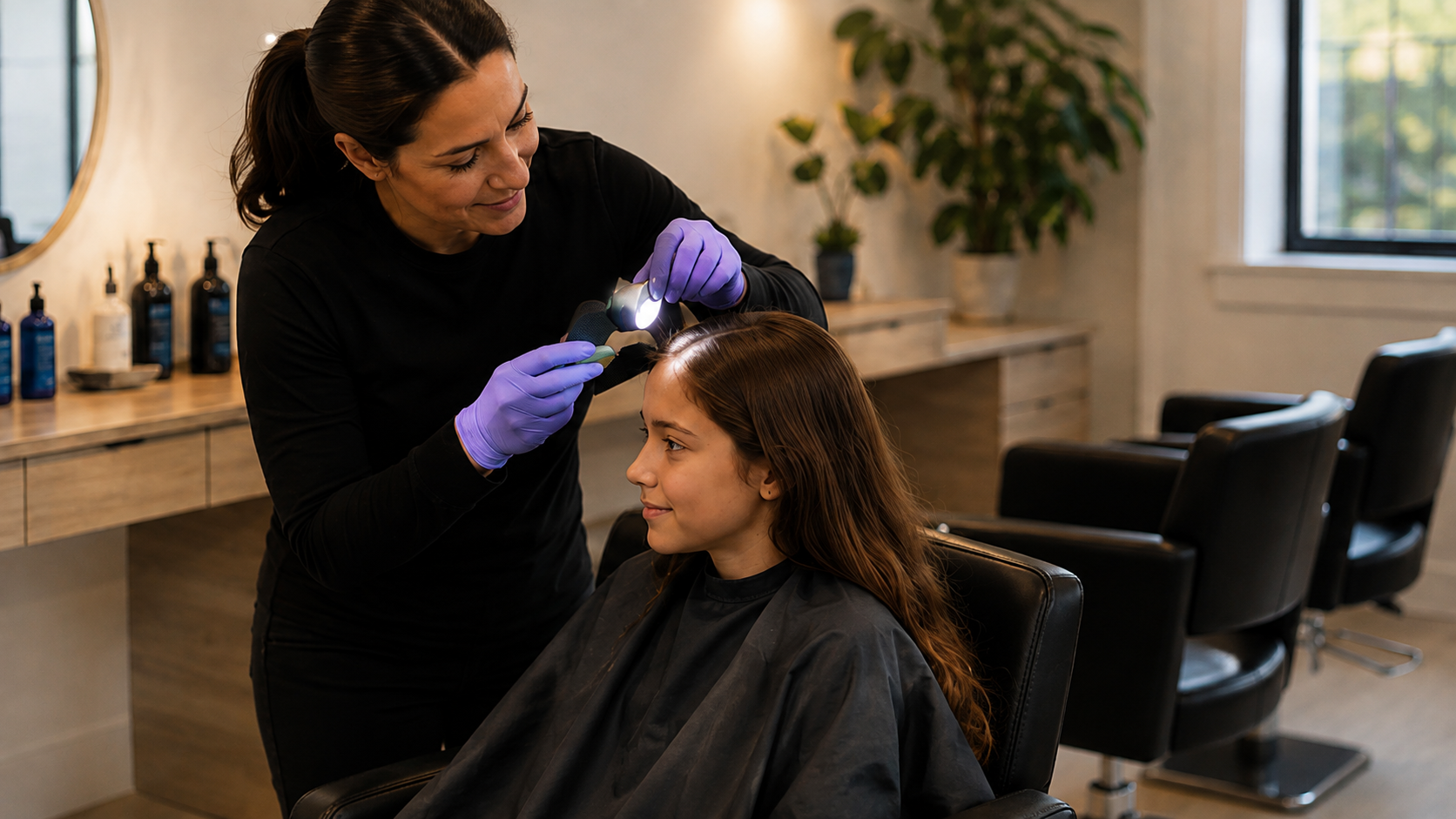
- Call in the professionals, LiceDoctors offers in-home, all-natural lice removal that’s safe, effective, and guaranteed.
- Use over-the-counter lice shampoos (follow directions carefully).
- Check all family members – Anyone with live lice should be treated the same day.
- Do follow-up combing – Continue checking every few days for two weeks to ensure all lice and nits are gone.
The key is persistence, lice removal is 100% doable when you stay consistent.
How LiceDoctors Makes Fall Easier
Dealing with lice can be stressful, especially during back-to-school chaos. That’s why LiceDoctors offers a simple, private, and guaranteed solution.
- In-Home Convenience: Our technicians come directly to you, no clinic wait times or exposure to others.
- All-Natural Approach: We use a gentle, chemical-free protocol proven to eliminate lice and nits.
- Experienced Professionals: Each technician is trained, calm, and efficient, helping kids (and parents) feel at ease.
- Guaranteed Results: With over 600,000 clients treated successfully, our track record speaks for itself.
Whether it’s early fall, mid-winter, or spring, LiceDoctors is here to make lice removal stress-free and judgment-free.
FAQs: Clearing Up More Lice Myths
“Does having lice mean someone is dirty?”
Not at all. Lice actually prefer clean hair, which makes it easier for them to attach eggs to the shaft. Anyone can get lice, regardless of hygiene.
“Can lice jump or fly?”
Nope! Lice can only crawl. They spread through direct contact, so “jumping lice” is a total myth.
“Will washing bedding or clothes kill lice?”
Lice rarely survive long off the scalp. Still, washing recently used pillowcases, hats, and bedding in hot water (130°F or higher) is a good precaution.
“Should I fumigate or throw things away?”
Not necessary! A quick laundry cycle and vacuuming are enough. Save your money and focus your energy on combing and scalp checks.
When Should You Call a Professional?
If you’ve tried over-the-counter treatments with no success, or if lice keep returning after weeks of effort, professional help can save time and frustration.
Call LiceDoctors if:
- You’ve treated lice more than once and they keep coming back.
- You’re overwhelmed or unsure if you’ve removed every nits.
- You have multiple children or a busy schedule.
- You’d simply prefer a guaranteed, chemical-free approach.
Our specialists will arrive discreetly, treat everyone safely, and provide peace of mind, right at home.
Final Thoughts: Fall Doesn’t Cause Lice, Contact Does
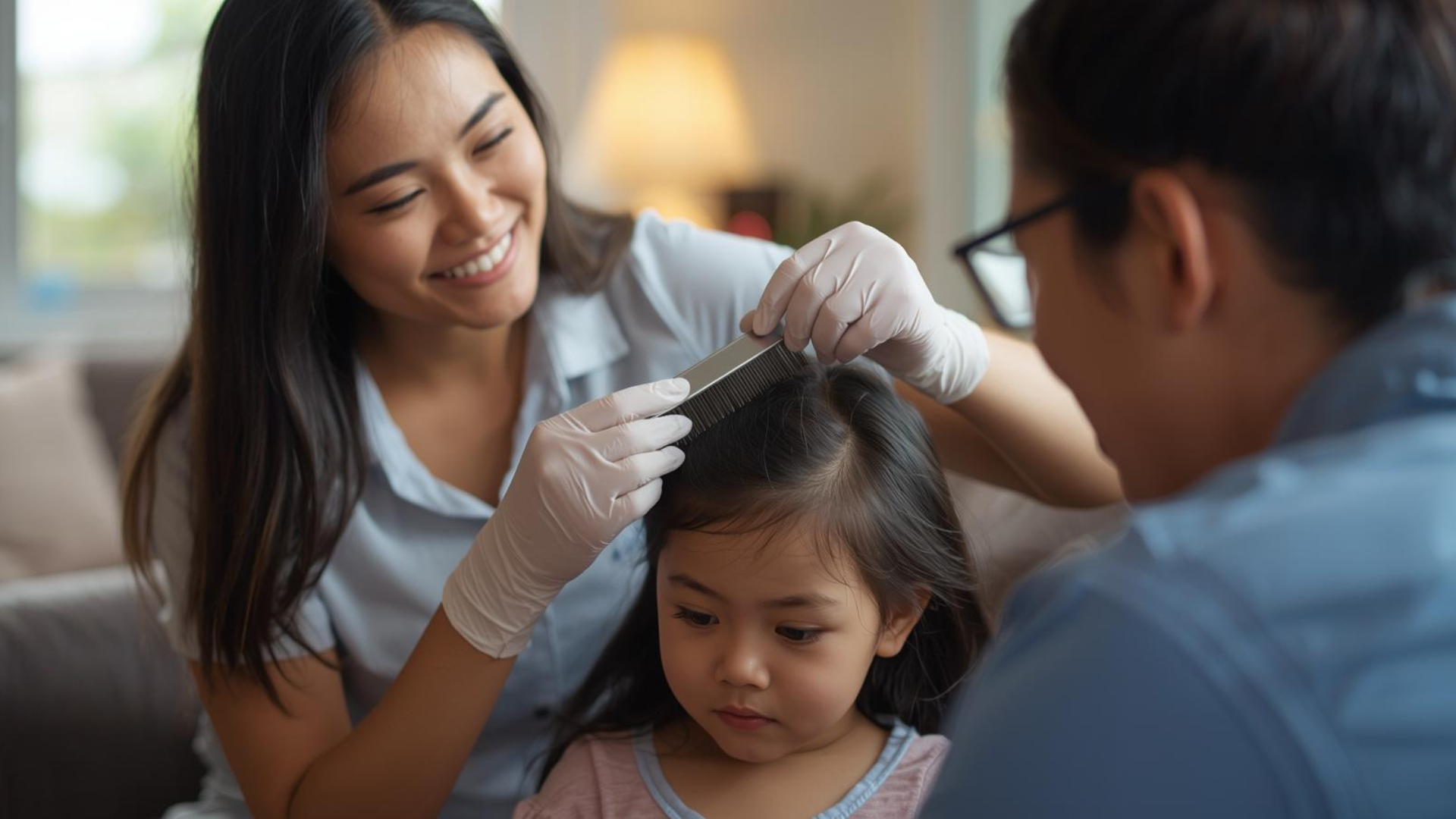
When it all boils down, the season itself isn’t to blame for lice outbreaks. Cooler weather doesn’t make lice more active, people do. As kids head back to school, share hugs, or lean in close during playtime, those little bugs simply take advantage of the extra contact.
The silver lining? You can absolutely stay ahead of them. With routine head checks, good communication, and the right treatment plan, lice don’t have to interrupt your family’s fall routine.
And remember, lice don’t jump, they don’t mean anyone is unclean, and they certainly don’t discriminate. They’re just part of life sometimes. But with a little preparation and quick action, you can make sure they don’t stick around this season.
If you need a hand, LiceDoctors is here to help.
Our expert technicians provide safe, natural, in-home lice removal anywhere in the U.S., discreet, effective, and guaranteed.
Make this season about pumpkin spice and family time, not lice and itching..
Call 800-224-2537 or visit LiceDoctors to schedule your appointment today.

.webp)