
.svg)
.svg)


Late winter has a way of making everything itchy. Skin feels tight. Lips chap. Scalps flake. And for parents especially, that familiar head-scratching can trigger an immediate wave of worry: Is this just dry scalp… or could it be lice?
If you’re asking that question, you’re not alone. As winter drags on and heaters stay on high, scalp irritation becomes more common, and it’s easy to jump to conclusions. The good news is that dry scalp and head lice have very different causes, signs, and solutions. Once you know what to look for, it becomes much easier to tell them apart.
Below, we’ll break down the differences in clear, simple terms. You’ll learn why late winter often leads to itchy scalps, how lice actually behave, what flakes and nits really look like, and when it might be time to get extra help. Most importantly, you’ll see why an itchy head doesn’t automatically mean lice.
Why Late Winter Makes Scalps Itchy
By the time February and March roll around, your scalp has been through a lot. Cold outdoor air, dry indoor heat, and less humidity all work together to strip moisture from your skin.
Here’s what’s happening:
- Indoor heating dries the air. Forced-air heat pulls moisture out of the environment and out of your skin.
- Cold weather limits oil production. Your scalp produces less natural oil in winter, which can lead to flaking and irritation.
- Hot showers don’t help. Long, hot showers feel great but can worsen dryness on the scalp.
- Hats and beanies cause friction. Constant rubbing can irritate an already dry scalp.
The result is often dryness, tightness, flakes, and itching. For kids and adults alike, this can look and feel alarming, especially if you’re already aware of lice circulating at school or daycare.
The Big Question: Dry Scalp or Lice?
It’s an understandable mix-up. Both conditions can cause itching. Both can involve flakes or tiny particles in the hair. And both tend to get noticed during the same time of year.
But the similarities mostly stop there.
Dry scalp is a skin condition. Lice are living insects. One is uncomfortable but harmless. The other needs prompt treatment.
Let’s break it down in a way that’s easy to check at home.
What Dry Scalp Looks and Feels Like
Dry scalp is very common in late winter. It can affect anyone, including people who have never dealt with lice.
Common signs of dry scalp
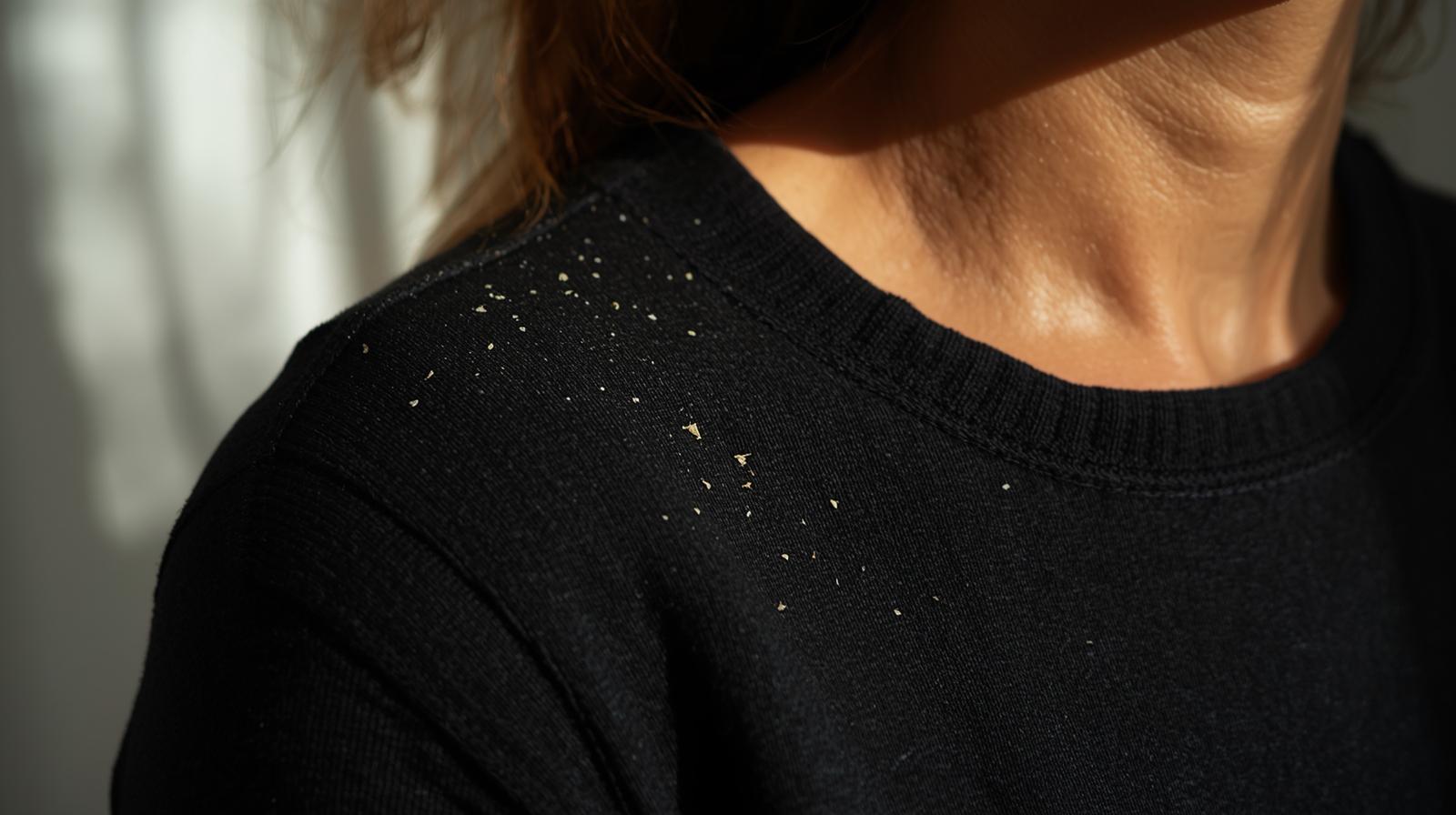
- Small white flakes that fall easily from the hair
- Flakes on shoulders or clothing
- Itching that comes and goes
- Tight or mildly irritated skin
- Flaking in other areas, like eyebrows or behind the ears
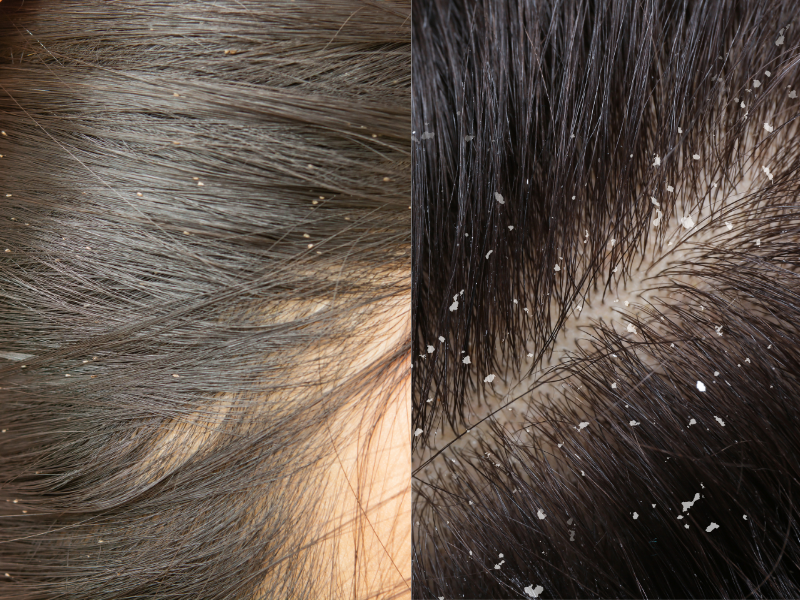
Dry scalp flakes are usually light, irregular in shape, and easy to brush away. They don’t stick firmly to the hair.
The itching from dry scalp is often worse right after shampooing or when the air feels especially dry. It tends to improve with moisturizing treatments and gentle care.
What Lice Look and Feel Like
Head lice are tiny parasitic insects that live on the scalp and feed on small amounts of blood. They don’t fly or jump, but they crawl quickly and spread through close head-to-head contact.
Common signs of lice
- Persistent itching, especially behind the ears and at the nape of the neck
- A tickling or crawling sensation on the scalp
- Tiny tan or brown bugs moving in the hair
- Nits (lice eggs) firmly attached to hair strands
- Difficulty sleeping due to scalp irritation
Unlike dry scalp flakes, lice and nits don’t fall off easily. Nits are glued to the hair shaft and are often mistaken for dandruff at first glance.
Flakes vs. Nits: How to Tell the Difference
This is where most confusion happens. At first glance, dandruff flakes and lice eggs can look similar. A closer look usually clears things up.
Dry scalp flakes
- White or slightly yellow
- Irregular shape
- Vary in size
- Fall off easily when brushed or blown on
- Found throughout the scalp and hair
Lice nits
- Oval and uniform in shape
- Yellow, tan, or brown
- Firmly attached to one side of the hair strand
- Do not move when brushed
- Usually found close to the scalp, especially behind ears and near the neckline
A simple test: try sliding the particle down the hair strand with your fingers. If it moves easily or falls off, it’s likely dry scalp. If it stays stuck, it may be a nit.
Does Dry Scalp Cause Intense Itching?
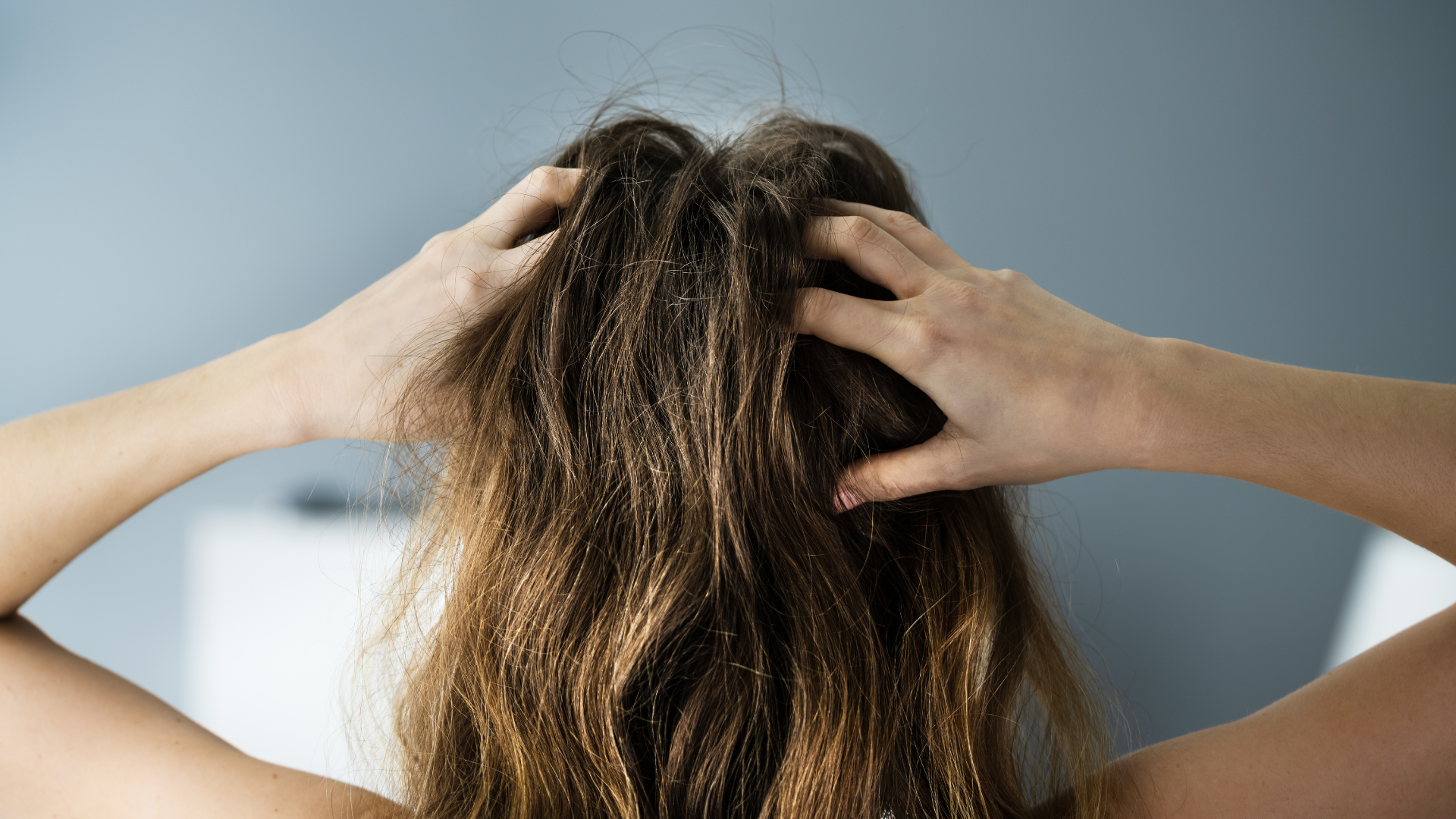
Yes, it can. Dryness alone can make the scalp surprisingly itchy, especially in kids with sensitive skin.
However, the pattern of itching often differs:
- Dry scalp itching tends to be generalized and intermittent.
- Lice-related itching is often persistent and focused in specific areas.
It’s also worth noting that not everyone with lice itches right away. Some people don’t react to lice bites for weeks, which is why visual inspection matters.
Can You Have Dry Scalp and Lice at the Same Time?
Yes, it’s possible. Winter dryness doesn’t prevent lice, and lice don’t protect against dry skin.
That said, treating lice will not fix dry scalp, and treating dry scalp will not eliminate lice. That’s why proper identification is so important before starting any treatment.
Why Late Winter Triggers Lice Panic
We see a spike in lice-related anxiety every winter, and it’s not just because of itching.
Several factors contribute:
- Kids spend more time indoors and in close contact
- Hats, scarves, and coat hoods increase head-to-head contact
- Dry scalp symptoms become more noticeable
- School lice notices heighten awareness
All of this can make normal winter itch feel much more alarming than it really is.
How to Check for Lice at Home
If you’re unsure, a careful check can help.
What you’ll need
- Bright lighting
- A fine-toothed lice comb
- Wet hair (lice are easier to spot when hair is damp)
- A magnifying glass, if available
Where to look
- Behind the ears
- At the nape of the neck
- Along the hairline
Work in small sections and comb from the scalp outward. Look for moving bugs or firmly attached nits.
If you’re still unsure after checking, that’s normal. Many parents miss early signs or mistake flakes for nits.
When It’s Time to Call a Professional
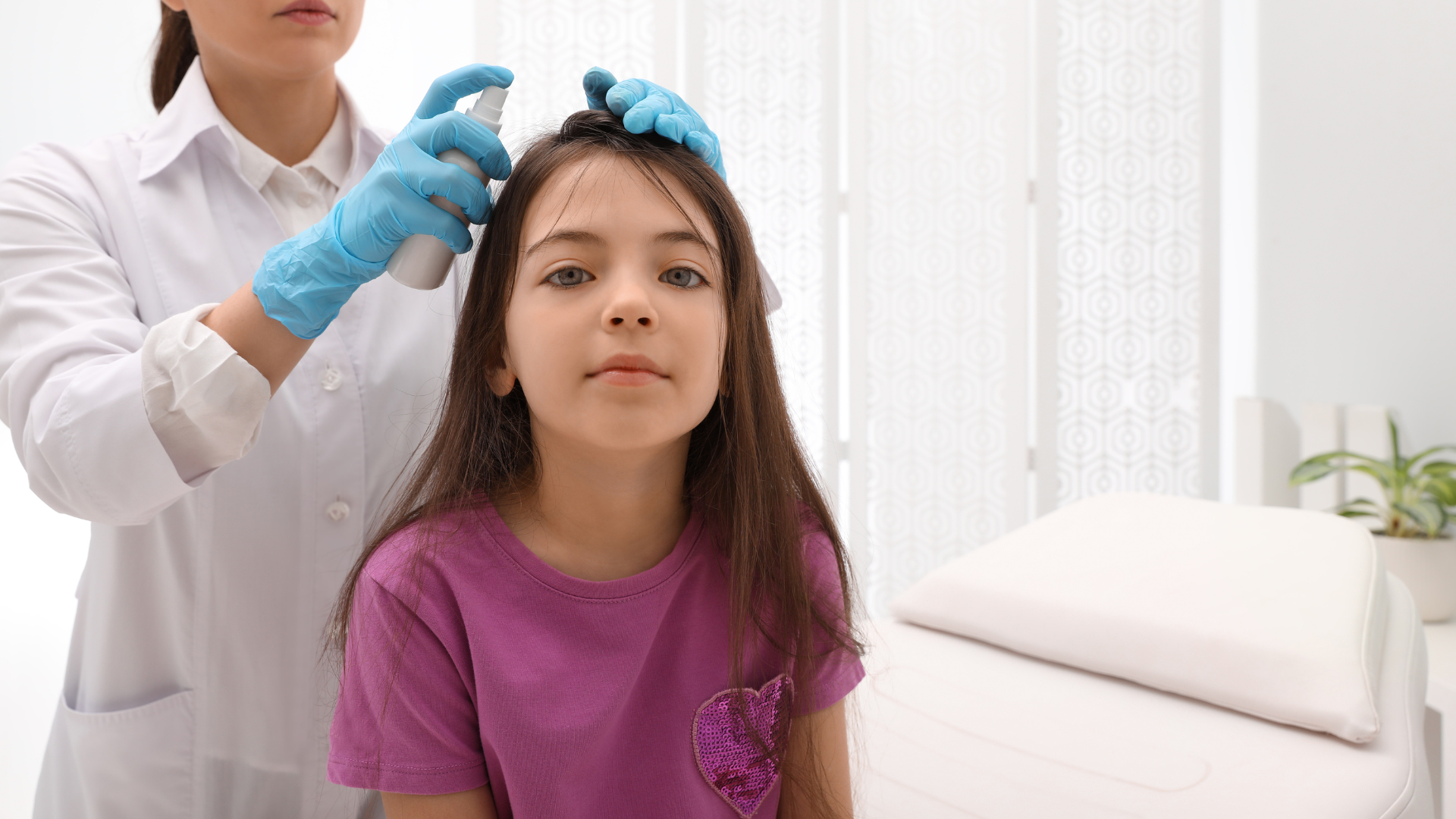
If you’ve checked and still can’t tell, or if the uncertainty is causing stress, getting a professional opinion can bring real peace of mind.
LiceDoctors technicians are trained to quickly and accurately tell the difference between dry scalp, dandruff, and an active lice infestation. In many cases, families find out there are no lice at all, just winter-related scalp irritation. That reassurance alone can be a huge relief.
And when lice are present, treatment is handled thoroughly and safely, right in your home, with clear explanations every step of the way. The goal isn’t just removal, but helping families feel calm, informed, and confident moving forward.
How Dry Scalp Is Treated
Dry scalp usually improves with gentle care and moisture.
Helpful steps include:
- Using a mild, moisturizing shampoo
- Avoiding daily washing
- Reducing hot water exposure
- Using a humidifier indoors
- Applying scalp-friendly oils or treatments
If flakes are heavy or persistent, a dermatologist can rule out conditions like eczema or psoriasis.
How Lice Are Treated
Lice requires targeted treatment. Home remedies and over-the-counter products often fail because of resistance or improper use.
Professional lice removal focuses on:
- Thorough manual removal of lice and nits
- Safe, non-toxic treatment methods
- Follow-up checks to ensure complete elimination
Early treatment prevents spread and reduces stress for the entire household.
Common Myths That Cause Confusion
“Lice prefer dirty hair”
False. Lice prefers clean hair because it’s easier to attach eggs.
“Cold weather kills lice”
Also false. Lice survive just fine indoors year-round.
“Only kids get lice”
Adults get lice too, especially parents and caregivers.
“Itching always means lice”
Not true. Dry scalp is a far more common cause, especially in winter.
Reassurance for Parents
If there’s one thing we want parents to take away from this, it’s this: itching does not equal lice.
Late winter is hard on skin, and dry scalp is incredibly common. Even when lice are present, they are not a sign of poor hygiene or neglect. They are simply a nuisance that can be handled.
The key is staying calm, checking carefully, and getting expert help when needed.
Final Thoughts: Solving the Late-Winter Itch
Late winter itch is frustrating, but it doesn’t have to be scary. Most of the time, flakes and scratching point to dry scalp, not lice.
By knowing what to look for and understanding the differences, you can avoid unnecessary panic and take the right next step. And when in doubt, a professional check can provide fast answers and real peace of mind.
If you’re dealing with an itchy scalp this winter and aren’t sure why, remember: you’re not alone, and help is always available. For families who want extra reassurance or professional treatment, LiceDoctors offers in-home lice checks and safe removal, making the process simple and stress-free.


