.svg)
.svg)

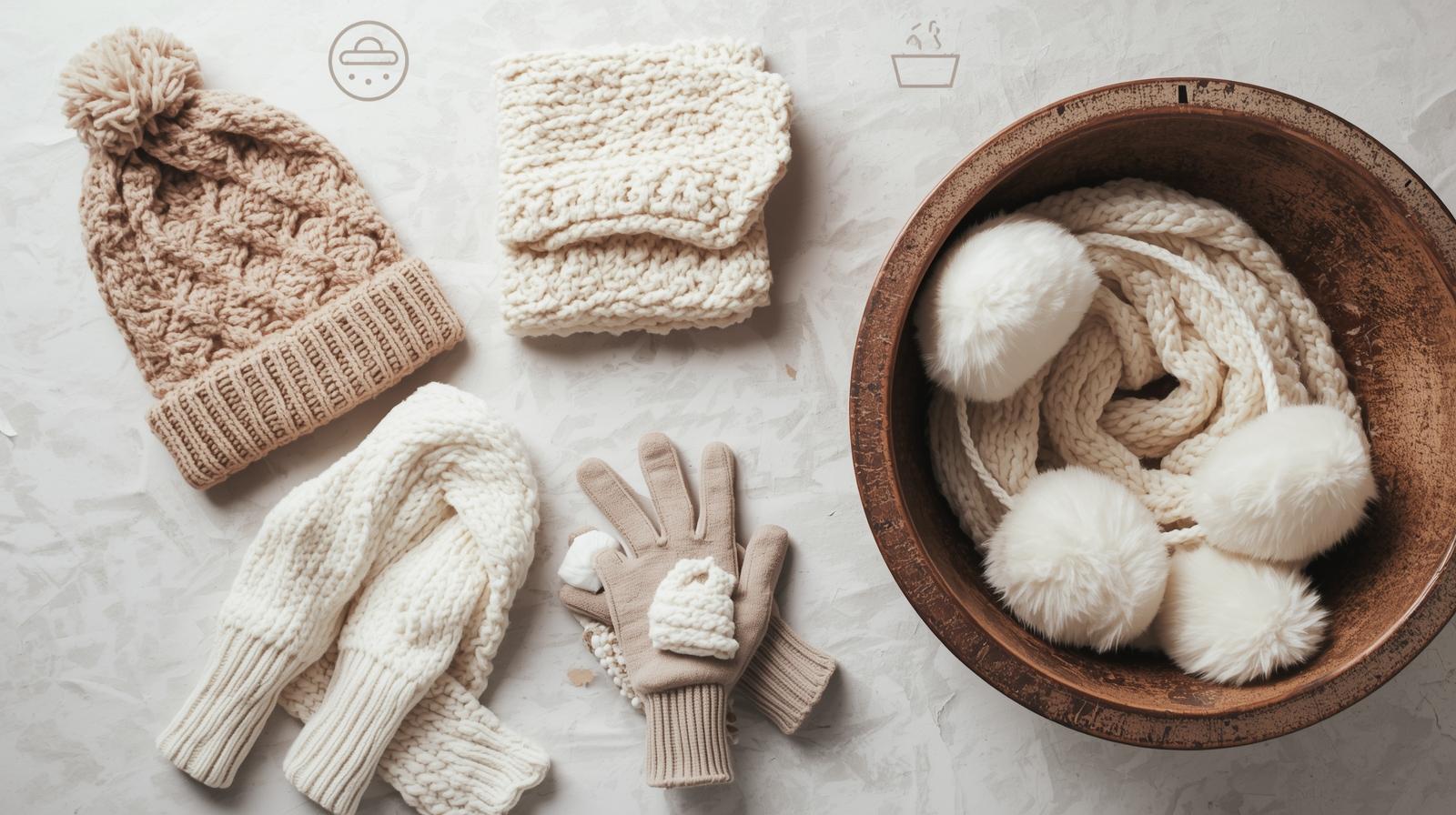

During winter, head lice can easily transfer through shared hats, scarves, gloves, and coats. To kill lice and nits on winter accessories, wash items in hot water (at least 130°F / 54°C) and dry them on high heat for 30–40 minutes. Items that can’t be washed should be sealed in a plastic bag for 48–72 hours or placed in a dryer on high heat if fabric-safe. No sprays or harsh chemicals are needed, heat is the most effective and safest solution.
Winter Warmth Shouldn’t Come With Lice Worries
Winter brings cozy sweaters, fuzzy hats, thick scarves, and warm gloves, but it also brings a higher risk of head lice transmission, especially among children. Schools, camps, sleepovers, and family gatherings mean more shared spaces and more opportunities for lice to spread.
At LiceDoctors, we often hear worried parents ask:
- “Can lice live on hats and scarves?”
- “Do I need to throw everything away?”
- “How do I clean winter items without damaging them?”
Take a deep breath, you don’t need to panic or replace your entire winter wardrobe. With the right washing and handling techniques, you can eliminate lice safely and effectively while protecting your favorite cold-weather accessories.
This guide will walk you through exactly how to wash winter accessories to kill lice, what really works (and what doesn’t), and how to protect your family throughout the winter season.
Why Winter Accessories Are a Common Lice Risk
Lice Love Close Contact—Not Dirt
One of the biggest myths about lice is that they’re linked to poor hygiene. In reality, lice prefer clean hair and spread through direct head-to-head contact or shared items that touch the head and neck.
Winter accessories increase risk because they:
- Sit close to the scalp (hats, earmuffs, hoods)
- Are often shared or stored together (school cubbies, coat hooks)
- Are worn repeatedly without frequent washing
Common Winter Items That Can Carry Lice
If someone in your household has lice, or has been exposed, these items should be addressed:
- Hats and beanies
- Scarves and neck warmers
- Gloves and mittens
- Coats and jacket collars
- Hoodies and sweaters with high necklines
- Earmuffs and headbands
The good news? Lice do not survive long off the human head, and proper cleaning easily eliminates them.
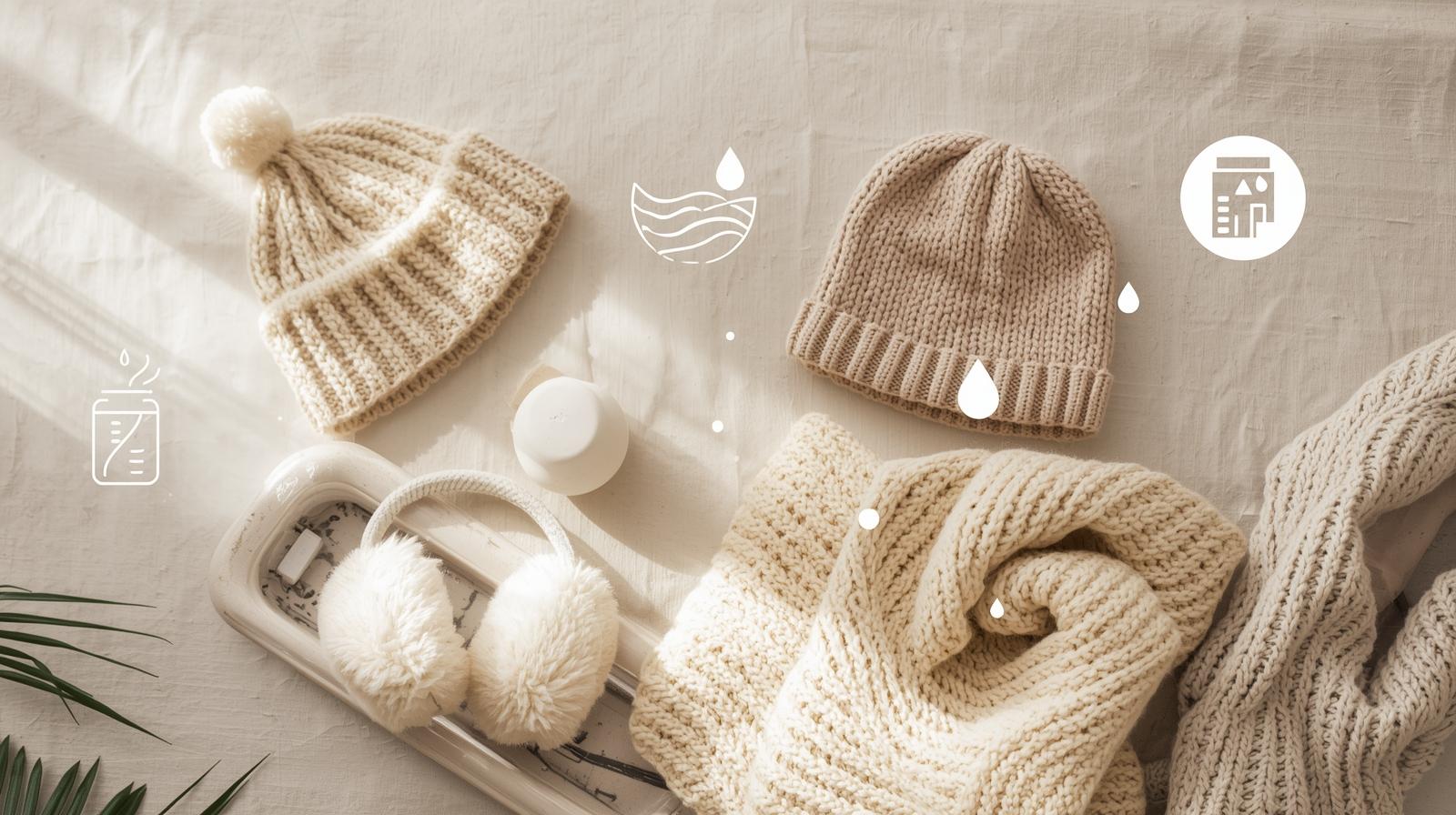
How Long Can Lice Live on Winter Accessories?
Understanding lice survival helps reduce fear and overcleaning.
- Adult lice: survive up to 24–48 hours off the scalp
- Nits (eggs): cannot hatch at room temperature away from the scalp
This means winter accessories are temporary carriers, not long-term infestations. Heat and time are your best tools.
The Golden Rule: Heat Kills Lice and Nits
At LiceDoctors, we often tell families that high heat is the safest and most effective way to make sure lice and their eggs are completely gone. This simple rule can save your favorite winter accessories from becoming a source of worry.
The Magic Numbers to Remember
- Water temperature: at least 130°F (54°C)
- Dryer setting: high heat
- Drying time: 30–40 minutes
If your hats, scarves, gloves, or coats can safely handle heat, following these steps ensures lice and nits won’t survive, giving you peace of mind without harsh chemicals or extra stress.
Pro Tip from our LiceDoctors team: Even if you’re unsure about washing, placing items in a high-heat dryer is often enough to eliminate lice safely.
Step-by-Step: How to Wash Winter Accessories to Kill Lice
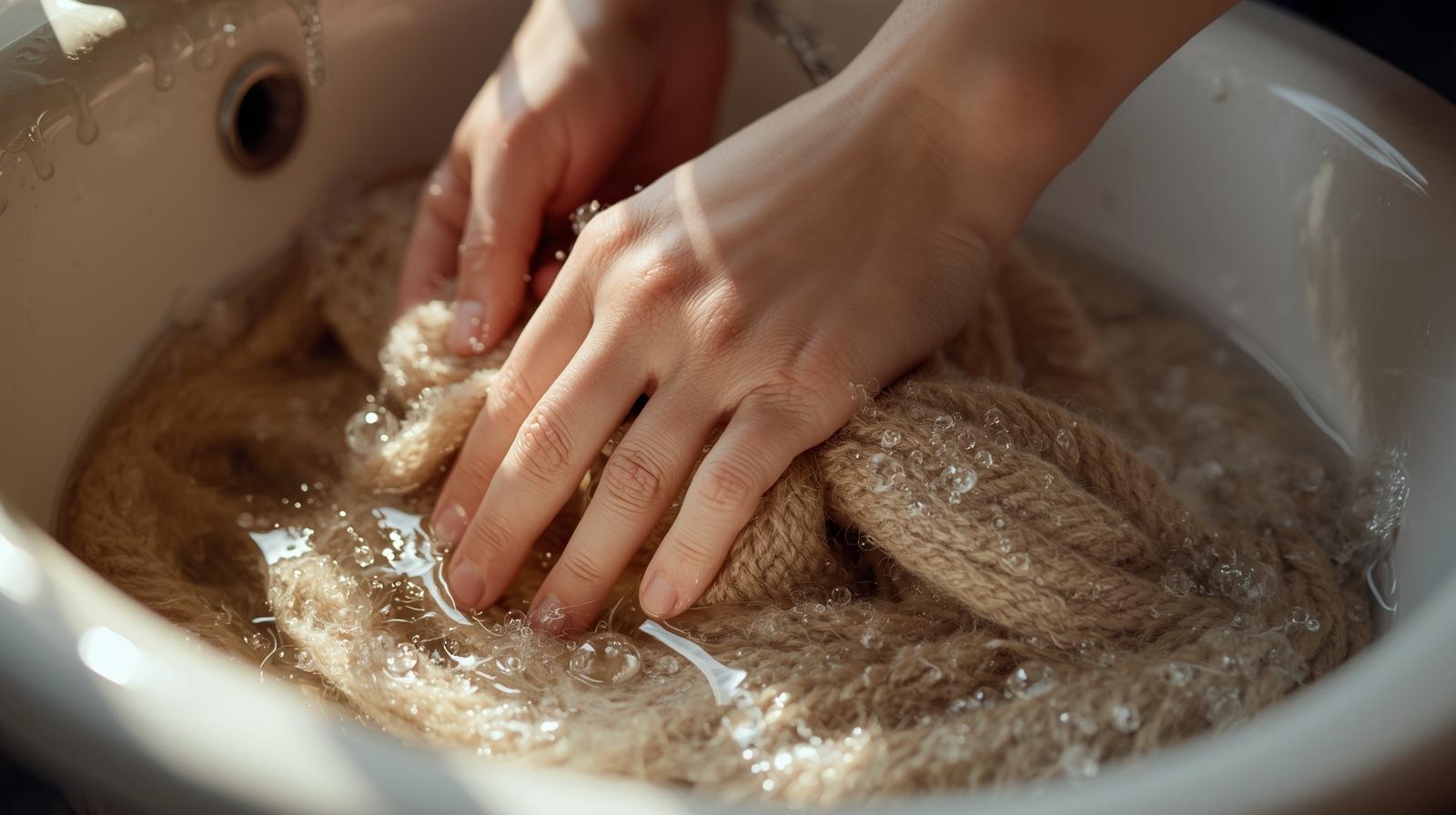
Step 1: Gather and Sort Items
Collect all winter accessories worn in the last 48 hours before treatment or discovery of lice.
Sort items into:
- Machine washable
- Delicate / hand-wash only
- Non-washable
This helps avoid damage while ensuring nothing is missed.
Step 2: Washing Hats, Scarves, and Gloves (Machine-Washable)
Most winter accessories fall into this category.
Best Practice:
- Wash items in hot water (130°F or higher)
- Use regular laundry detergent
- Avoid overcrowding the washer
- Dry immediately on high heat for 30–40 minutes
Pro Tip from LiceDoctors:
The dryer is actually more important than the washer. Even if you’re unsure about water temperature, high dryer heat reliably kills lice and nits.
Step 3: What About Delicate or Wool Items?
We know winter accessories aren’t always washer-friendly.
Option 1: Dryer-Only (If Fabric Allows)
If the item can tolerate heat but not water:
- Place it in the dryer on high heat for 30 minutes
- Skip the washing step entirely
Option 2: Seal and Wait (For True Delicates)
For items like wool scarves, cashmere hats, or sentimental pieces:
- Place item in a sealed plastic bag
- Leave sealed for 48–72 hours
- Afterward, shake out or air gently
Lice cannot survive without a human host, time does the work for you.
Step 4: Coats, Jackets, and Bulky Winter Wear
Coats are often overlooked, but collars and hoods can come into contact with hair.
What to do:
- If washable: hot wash + high-heat dry
- If dry-clean only:
- Seal in a bag for 72 hours OR
- Take to a dry cleaner and inform them of lice exposure
No fumigation or sprays needed.
Do You Need Lice Sprays or Disinfectants?
Short answer: No—and we don’t recommend them.
Why Lice Sprays Are Unnecessary
- Lice don’t live long on surfaces
- Sprays can contain harsh chemicals
- Heat and time are safer and more effective
- Overuse can irritate skin and lungs
At LiceDoctors, we follow evidence-based methods supported by pediatric and dermatology experts.
What About Shoes, Bags, and Backpacks?
While lice prefer hair, items that touch the head or neck still deserve attention.
Backpacks & Fabric Bags
- Wash in hot water if possible
- Or dry on high heat for 30 minutes
- If neither: seal in a bag for 48 hours
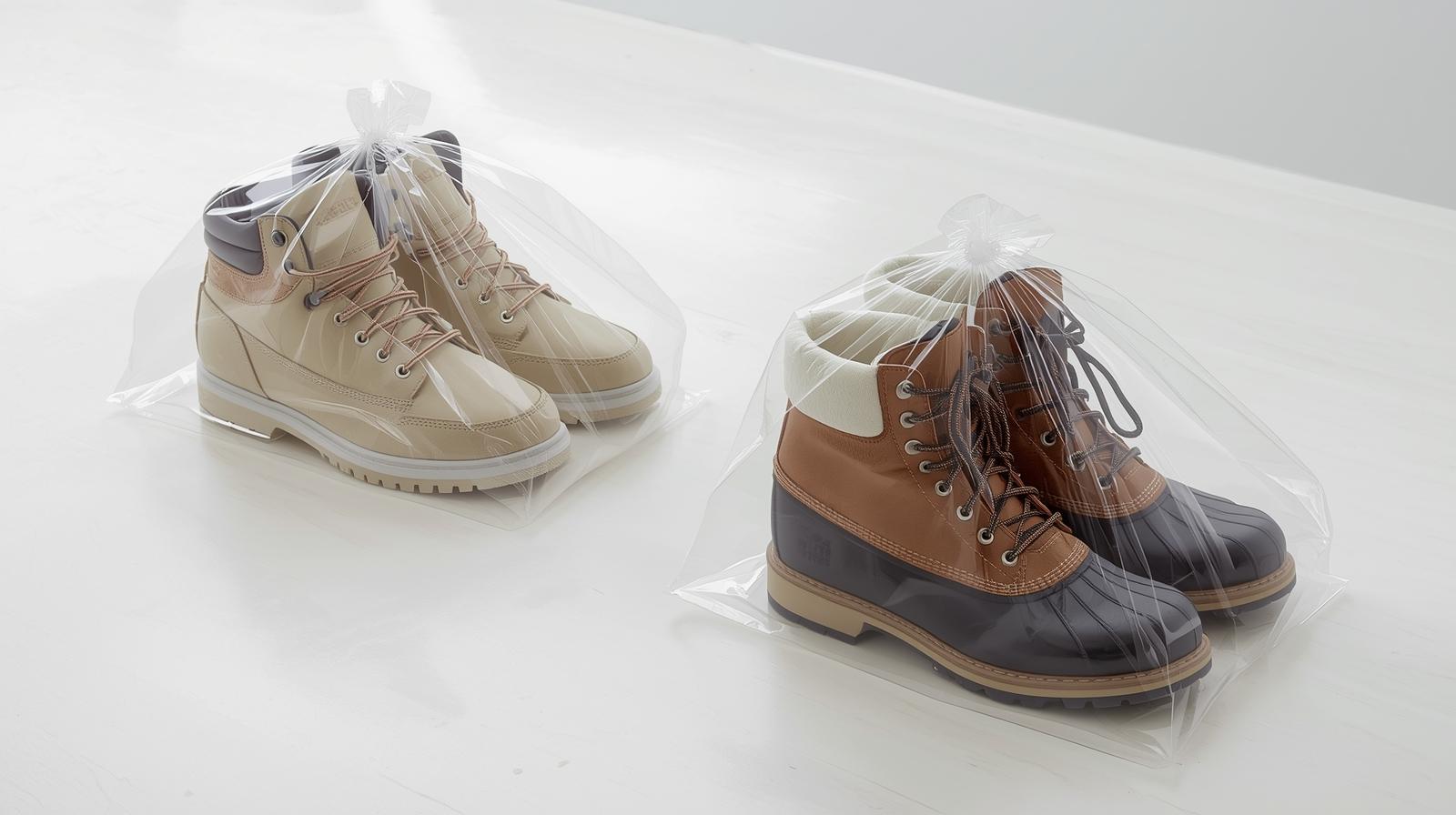
Shoes & Boots
Lice rarely spread this way, but for peace of mind:
- Place in dryer (if safe) for 20–30 minutes
- Or seal in a bag for 48 hours
Preventing Re-Infestation During Winter
Cleaning accessories is only part of the solution. Prevention matters just as much.
Simple Winter Lice Prevention Tips
- Label hats and scarves for school
- Teach children not to share headwear
- Store items separately (individual hooks or cubbies)
- Keep long hair tied back
- Perform weekly head checks during outbreaks
Consistency, not fear, is key.
Common Winter Lice Myths (Debunked)
Myth: I need to wash everything in the house
Truth: Only items worn in the last 48 hours matter
Myth: Freezing kills lice
Truth: Freezing is unreliable; heat works best
Myth: Lice live in coats and furniture
Truth: Lice live on heads, not homes
When Professional Help Makes Sense
If lice keep coming back,or the thought of handling it all feels overwhelming—you don’t have to do this alone.
How LiceDoctors Can Help You This Winter
At LiceDoctors, we understand how stressful lice can be, especially during the busy winter season. That’s why we offer comprehensive, professional services designed to make treatment safe, effective, and convenient for your family.
Here’s what we provide:
In-Home Lice Treatment Services
Our trained technicians come right to your home, so your child can receive expert care in a familiar, comfortable environment. We use safe, evidence-based methods to remove lice and nits completely.
Head Lice Screening Services
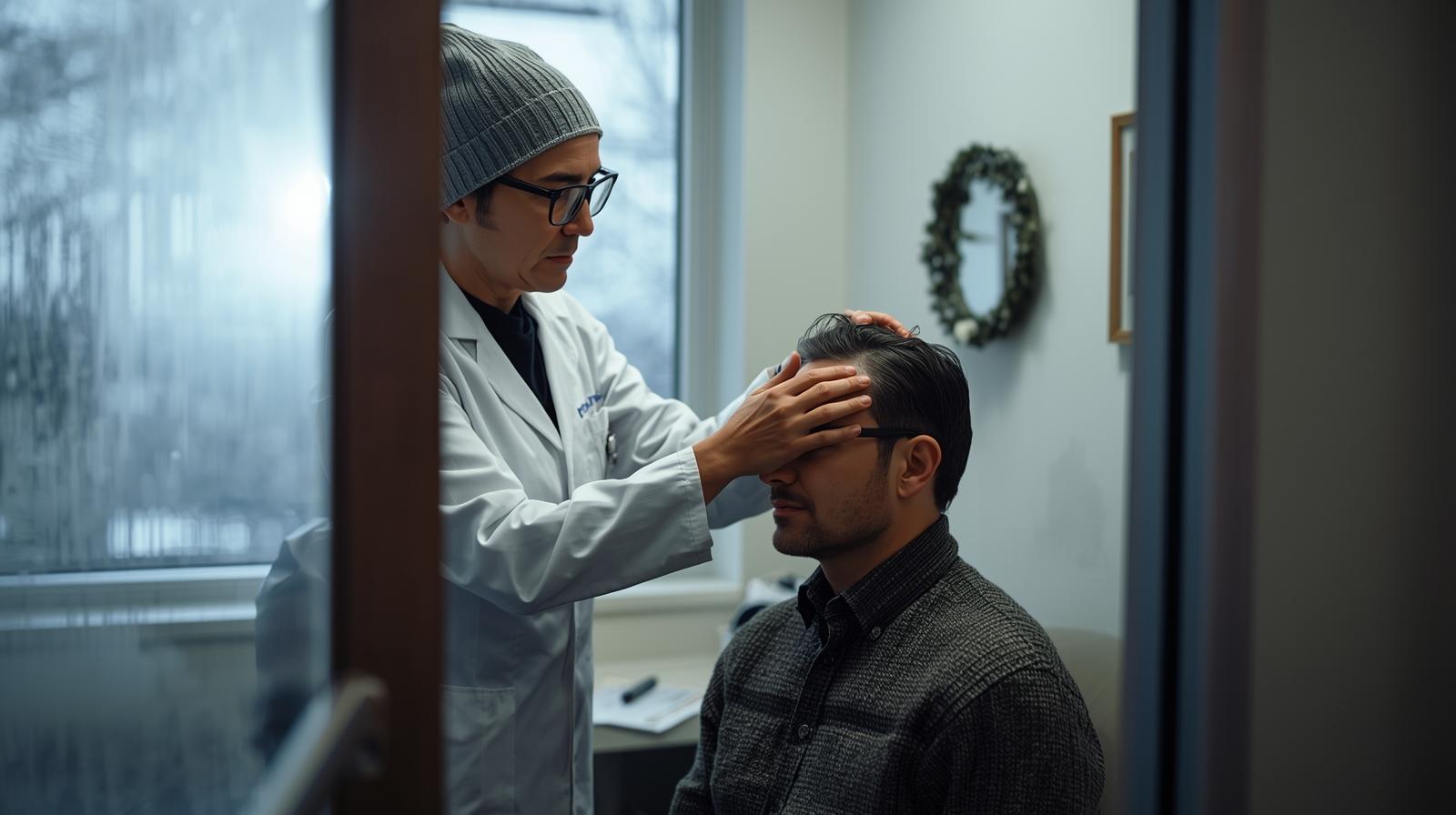
We also offer professional lice screenings at schools, camps, daycare centers, senior homes, social service facilities, and other group settings. Early detection is key to preventing outbreaks, and our team can screen children and staff efficiently and discreetly.
Step-by-Step Treatment Process
We guide you through every step, including:
- A thorough scalp and hair assessment to identify lice and nits
- Professional removal using safe, non-toxic methods
- Education for parents and caregivers on prevention and follow-up care
- Follow-up support to ensure lice don’t return
Education and Prevention Guidance
We don’t just treat lice, we help families understand how to prevent re-infestation. From washing winter accessories to checking hair regularly, we provide practical, easy-to-follow advice.
Follow-Up Support for Peace of Mind
After treatment, our team is just a call or message away to answer questions, offer guidance, or schedule additional screenings if needed.
We treat lice wherever it’s most convenient and safe, at home, in schools, camps, daycare centers, senior homes, or social service locations, so families can get back to normal quickly, without worry.
Final Thoughts: Warm, Clean, and Lice-Free This Winter
Winter accessories bring comfort, warmth, and fun, but they shouldn’t bring stress. The truth is reassuring:
- Lice are manageable
- Heat kills lice and nits
- You don’t need chemicals or extreme cleaning
- Most items can be safely treated at home
With the steps outlined above, you can confidently clean your winter accessories, protect your family, and enjoy the season, itch-free and worry-free.
And if you ever need support, LiceDoctors is just a call away, ready to help with expert care, compassion, and proven solutions.
Need Help Right Now?
Schedule an in-home lice treatment with LiceDoctors today
Safe, effective, and professional care right where you live. You’ve got this. And we’ve got you.