.svg)
.svg)



Every new school year comes with excitement, routines, brand new pencils, and the hope that this year will run just a bit smoother than the last. Then comes the first classroom newsletter or group chat alert: “There’s a lice case in your child’s class.”
Deep breath. You can handle this.
Catching lice early makes all the difference. Early detection can prevent a full household outbreak and save you time, money, and stress. The good news is that you can spot lice or nits before they spread. It takes a little know-how, a little patience, and the right steps. This guide breaks everything down in a friendly, practical way so you know exactly how to protect your family as the school year begins.
Why Lice Cases Spike at Back-to-School Time
Lice thrive on close contact. They do not hop or fly, so their only method of travel is direct head-to-head contact. Children share hugs, whisper secrets, lean in during group work, and pile onto playground equipment. In other words, classrooms are the perfect environment for lice to spread.
During the first six to eight weeks of school, kids are adjusting to new social circles, which means more close interactions. By the time a child begins to itch, lice have often been present for two to four weeks. That is why early detection matters so much.
How to Spot Lice Early: Key Signs Before the Itching Starts
Most parents are surprised to learn that itching is one of the last signs of a lice infestation. That is why early detection comes down to what you can see, not just what your child feels.
Early signs include:
1. Nits firmly attached to hair strands
Nits are the earliest visible sign of lice. They are tiny, oval-shaped eggs that are glued to the hair shaft. They do not brush off easily. They are often confused with dandruff, dirt, or hair product residue.
2. Specks near the neckline or behind the ears
These are the lice hot spots. Lice prefer warm areas, which is why they cluster along the nape of the neck and around the ears.
3. A feeling of something moving on the scalp
Children might describe this as tickling or light crawling. They may not itch yet, but they feel something is off.
4. Unexplained scalp irritation
Even without severe itching, the scalp may appear slightly red or irritated in the early stages.
5. Increased fussiness or difficulty focusing
Younger kids who cannot describe the sensation may seem distracted or uncomfortable.
If you catch any of these early, the situation is much easier to manage.

The LiceDoctors At Home Lice Check: A Simple and Reliable Method
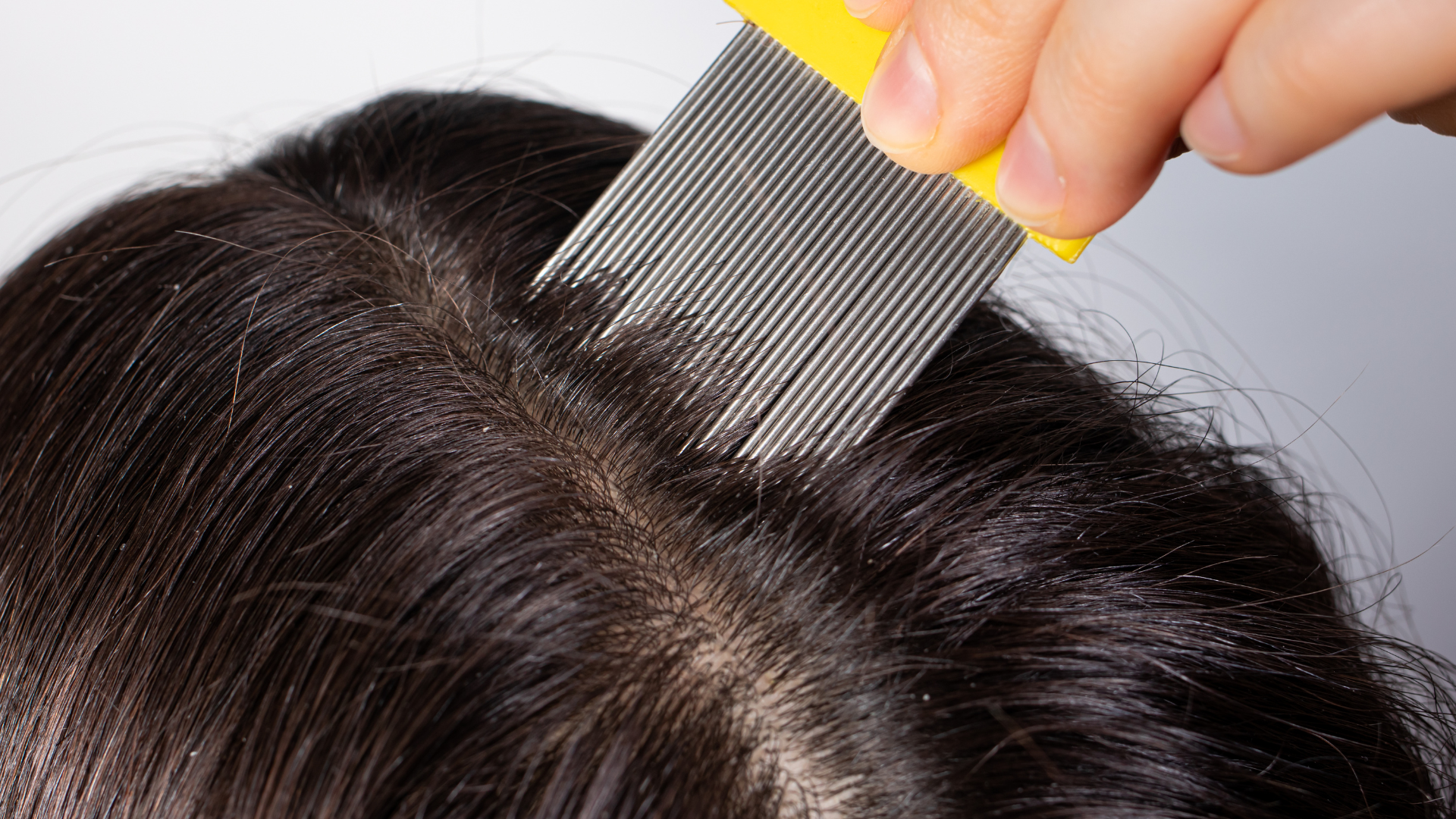
Set aside ten minutes in good natural light. The process is easy, and once you get the hang of it, it becomes quick and routine.
What you need:
- A fine-toothed lice comb
- Hair clips
- A spray bottle with water
- A chair near a window
- Patience and humor
Step 1: Dampen the hair
Wet hair helps slow lice down and makes the combing process more effective.
Step 2: Section the hair
Clip the hair into small sections so you can work through it methodically.
Step 3: Look for nits
Start at the nape of the neck. Examine one small section at a time. Nits sit a quarter inch to half an inch from the scalp and have a teardrop shape.
Step 4: Check for movement
Live lice move fast. They avoid bright light. If you see something dart away, that is a strong sign.
Step 5: Confirm
Run the lice comb from the scalp to the end of the strand. Wipe the comb on a paper towel. Look closely. If you see small sesame seed-sized bugs or tiny brownish specks, you may have lice.
Step 6: Repeat around the ears
These areas are high traffic zones for lice.
Step 7: Recheck after 48 hours
Nits can be newly laid and tiny. A second check improves detection accuracy.
Comparison Chart: Lice vs Dandruff vs Dirt vs Hair Casts
One of the most confusing parts of lice detection is telling nits apart from everything else. This comparison table helps.
| Feature | Lice Nit | Dandruff | Dirt or Lint | Hair Casts |
|---|---|---|---|---|
| Color | Tan, brown, or translucent | White | Varies | White |
| Shape | Oval and uniform | Flaky and irregular | Irregular | Tube-like |
| Location | Glued to the hair shaft | On the scalp or loose | Loose | Encircles strand |
| Moves when touched | No | Yes | Yes | Slides easily |
| Removal difficulty | Hard to remove | Comes off quickly | Comes off quickly | Slides off |
| Common placement | Close to the scalp | Anywhere | Anywhere | Anywhere |
If you are unsure, it is completely normal. Even medical professionals misidentify nits. LiceDoctors technicians are trained to spot the difference quickly.
The First Month of School: A Parent's Lice Awareness Timeline
This timeline helps you stay ahead during the period when most school-year lice cases begin.
Week 1: New Interactions Begin
Kids meet classmates, play new games, and share more space. No symptoms yet if lice occur.
What you do:
Perform a quick 60-second scalp scan twice this week.
Week 2: Nits Appear
If lice were contracted during the first week, nits may now be visible.
What you do:
Do a full at-home lice check with a fine-tooth comb.
Week 3: Nymphs Hatch
Eggs laid in Week 1 may now be hatching. You may see more movement.
What you do:
Check again if your child was exposed or if your school sent a notice.
Week 4: Itching Begins
This is when many parents first realize there is a problem. Early detection helps you stay far ahead of this stage.
What you do:
Continue weekly head checks through September.
An Expert Lens: Why Early Detection Matters Physiologically
Lice behavior explains why catching them early makes treatment easier.
- Lice glue their nits in place with a strong, waterproof substance. This is why early removal requires attention to detail.
- Once hatched, a nymph becomes an adult in about nine days.
- Adults lay eggs daily.
- A case that remains unnoticed for three weeks can involve dozens of lice and over a hundred nits.
That sounds intimidating, but here is the reassuring part. Lice do not carry disease. They are manageable. Early detection turns a potential outbreak into a simple cleaning task.
Common Early Stage Myths Parents Should Ignore
Myth 1: My child keeps their hair clean, so they cannot get lice.
Clean hair is actually easier for lice to grip. Any child can get lice regardless of hygiene.
Myth 2: My child would itch if they had lice.
Not always. Itching can take weeks to develop because it is caused by sensitivity to louse saliva, not the bugs themselves.
Myth 3: Lice can jump from head to head.
Lice cannot jump or fly. They crawl. Close head-to-head contact is the main culprit.
Myth 4: You can get lice from pets.
Lice only live on humans. Pets are not involved.
Signs Teachers Often Notice First
Teachers often spot early signs before parents because they see children in groups.
Common classroom clues include:
- A child scratching without realizing it
- A child acting fidgety during quiet time
- Visible nits when kids lean forward at their desks
- A cluster of cases within the same friend group
If your child’s teacher alerts you, take it seriously. Early action stops the spread.
What to Do if You Think You See Lice
Here is a simple and calm three-step plan.
Step 1: Confirm what you see
If you are unsure, take a clear photo or call LiceDoctors for a professional evaluation.
Step 2: Do not panic
Lice are manageable even when they seem overwhelming.
Step 3: Choose a treatment option
You can try to handle it yourself using manual nit removal, or bring in a professional who can guarantee complete removal in one visit.
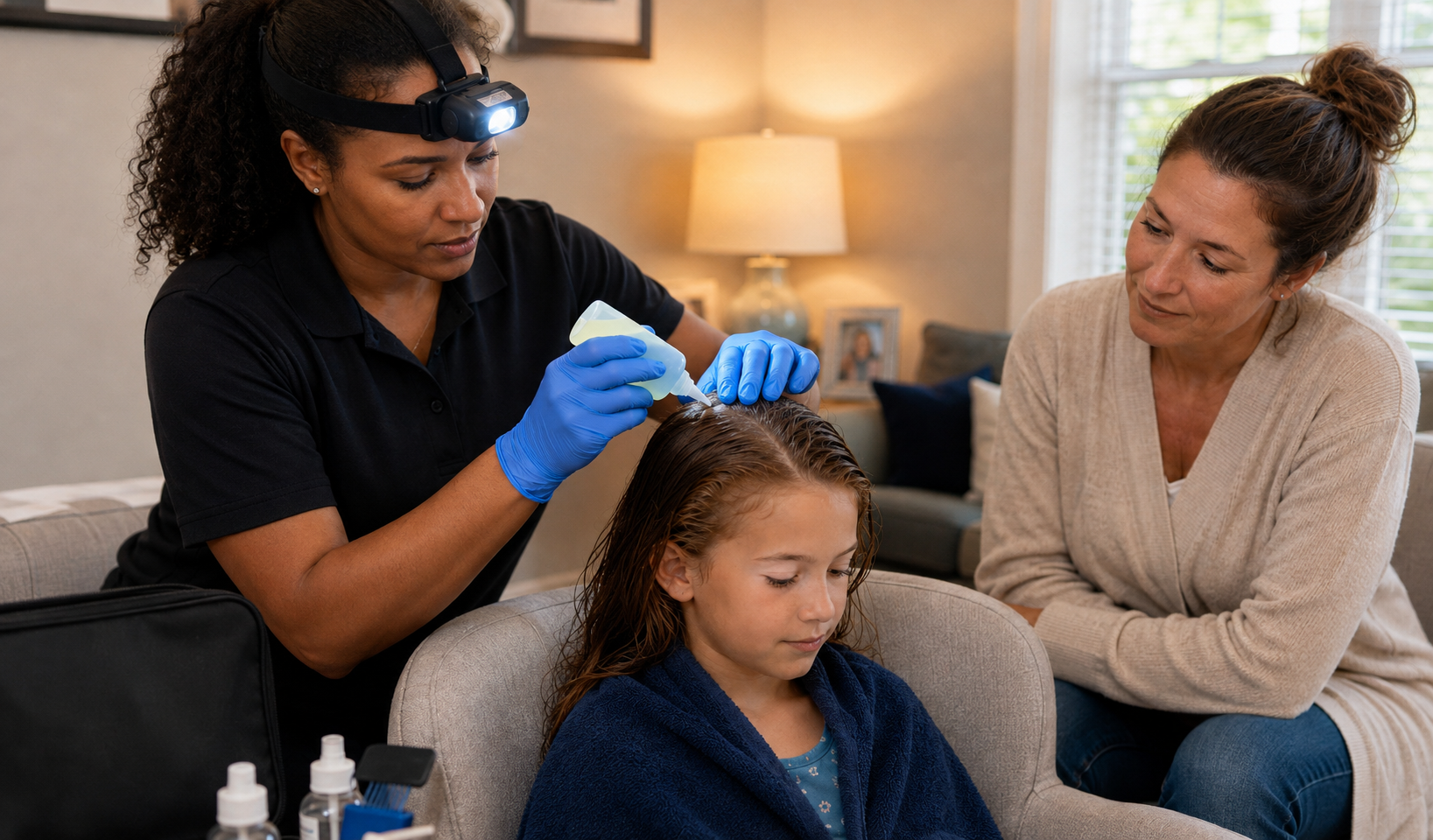
Manual combing requires consistency and technique, which is why many families turn to LiceDoctors for in-home support. With experienced technicians and a gentle, proven approach, the process becomes stress-free.
Why Early Detection Saves You Time, Money, and Stress
A light case of lice is quick to treat. A long-standing case takes more time and effort because of the number of nits.
Early detection benefits:
- Faster treatment
- Fewer nits to remove
- Fewer missed school days
- Reduced risk of spreading to siblings
- Lower cost compared to treating a full household outbreak
One ten-minute head check each week can save you hours later.
Professional Insight from LiceDoctors Technicians
LiceDoctors experts have treated thousands of families and have seen all stages of lice cases. Here is what they recommend for early detection in the school year:
Tip 1: Check the hot spots first
Behind the ears and at the nape of the neck are the most revealing areas.
Tip 2: Use natural light
Indoor lighting can hide nits. Sit near a window or step outside.
Tip 3: Do a routine head check on Sundays
This timing helps you catch anything before the school week begins.
Tip 4: Watch for behavioral signs
If your child pushes hair away from their neck more often, pay attention.
Tip 5: If in doubt, ask a pro
Lice can be very hard to identify without training. There is no shame in getting a second opinion.
Real Life Early Detection Stories from Parents
A mom who caught lice early after a classroom notice
“When my daughter’s school sent a note that someone in her grade had lice, I checked her that night just to be safe. I noticed one nit behind her ear. I called LiceDoctors, and they found five more. They told me we caught it early, which saved us from a full outbreak.”
A dad who misunderstood the early symptoms
“My son complained about a tickle on his head, but I did not think much of it. A week later, I saw nits near his neck. I wish I had checked sooner. Once LiceDoctors treated him, it was simple.”
A teacher’s perspective
“I can often spot nits when kids lean over their desks. Parents are always grateful when I let them know early. They usually had no idea.”
How to Talk to Your Child About Lice Without Anxiety
Kids take cues from adults. Keep the tone calm and positive.
You can say something like:
“We are doing a quick hair check. Lots of kids get lice when school starts, and checking early helps keep everyone healthy.”
Reassure them that:
- Lice do not mean anything is wrong
- The process will not hurt
- Many kids have gone through it
A calm approach keeps the situation manageable for everyone.
How Often Should You Check for Lice During the School Year?
Here is a simple rule:
Weekly checks during the first two months of school.
After that, check twice a month.
Check immediately after any exposure notice.
Consistency is the secret ingredient that catches cases early.
Practical Prevention Tips That Actually Make a Difference
While nothing fully prevents lice, these habits lower the risk.
1. Keep hair pulled back
Braids, buns, or ponytails reduce hair-to-hair contact.
2. Teach your child the personal space rule
Encourage kids to avoid sharing pillows, hats, brushes, or headphones.
3. Use a lice comb proactively
A weekly comb session can catch nits before they spread.
4. Be mindful of sleepovers
Always do a quick head check after group sleep events.
5. Stay aware without being worried
Lice are common and treatable.
When to Call a Professional for Help
Call LiceDoctors if:
- You see nits but are not sure if they are lice
- You have treated lice before, and it keeps coming back
- You prefer a guaranteed solution
- You want guidance that is backed by experience
- Your child has long or thick hair that is hard to comb
- You simply want peace of mind
LiceDoctors has treated over 600,000 families with a gentle, chemical-free method that works.

Your Lice Early Detection Checklist
Here is a quick summary you can save or screenshot:
- Check weekly in natural light
- Start at the nape and ears
- Look for teardrop-shaped nits glued to the hair
- Watch for tickling or crawling sensations
- Act fast after any notice from school
- Use a quality lice comb
- Ask a professional if you are unsure
Early detection empowers you to stay ahead.
Final Thought: You’ve Got This, and LiceDoctors Is Here When You Need Us
Lice during the school year is something many families deal with. It is manageable, and catching it early makes everything simpler. A quick weekly head check and a little know-how go a long way toward keeping things under control.
If you ever feel unsure or want help from someone who has seen every stage of lice, LiceDoctors has experienced technicians who provide gentle, same-day service right in your home. You never have to handle it alone.
With the right support, your family can move through the school year with confidence and calm. You’ve got this.