.svg)
.svg)


Dealing with head lice in winter can feel especially overwhelming.
Between cold weather, packed schedules, holiday stress, and kids spending more time indoors, the last thing any family wants to hear is: “There’s lice.”
The good news?
Lice don’t care what season it is, and winter lice are absolutely manageable.
With the right approach, tools, and support, you can remove lice effectively without freezing, panicking, or turning your home upside down.
In this guide, we’ll walk you through exactly how to remove lice in the middle of winter, why cold weather doesn’t protect against them, and what actually works (and what doesn’t). Written by lice treatment professionals who help families every day, this guide is designed to help you breathe easy and move forward with confidence.
Removing Lice in Winter
- Lice survive just fine in winter because they live on the scalp, not in the environment
- Cold weather does not kill lice or eggs (nits)
- Indoor activities and shared spaces increase transmission in winter
- Effective winter lice removal includes:
- Professional-grade treatments or wet-combing methods
- Consistent nit removal
- Minimal environmental cleaning (no extreme measures needed)
- Professional in-home lice treatment is often the fastest, least stressful solution
Why Lice Are So Common in Winter
There’s a common myth that lice “die off” in cold weather. Unfortunately, that’s not true.
Lice Love Warm Scalps, Not Warm Weather
Head lice live on the human scalp, where temperatures stay warm year-round. They don’t live in snow, hats, pillows, or carpets long-term. As long as there’s a human head involved, lice are perfectly comfortable, even in January.
Winter Habits Increase Lice Spread
Winter actually creates ideal conditions for lice transmission:
- Kids spend more time indoors
- Classrooms, sleepovers, and playdates are closer and cozier
- Hats, scarves, and hoods get tossed together
- Families travel and stay overnight with relatives
More head-to-head contact = more opportunity for lice to spread.

Can Cold Weather Kill Lice or Nits?
Short answer: No.
Even freezing temperatures are unreliable at killing lice or eggs. While lice can’t survive long off the scalp, exposing items to cold isn’t a dependable treatment strategy.
Why Freezing Doesn’t Work
- Lice eggs (nits) are well insulated
- Household freezers don’t maintain consistent temperatures
- You’d need prolonged exposure well below freezing, and even then, results are inconsistent
Bottom line: Don’t rely on cold weather, freezing items, or “airing things out” as your primary lice removal method.
Step-by-Step: How to Remove Lice in the Middle of Winter
Let’s talk about what actually works, without making your house feel like a biohazard zone.
Step 1: Confirm You’re Really Dealing with Lice
Winter brings dry scalp, dandruff, and static, so it’s important to confirm lice before treating.
What to Look For:
- Live lice: small, tan or brown, fast-moving insects
- Nits: tiny, oval eggs glued to hair close to the scalp (they don’t flick off)
- Itching: common but not required
If you’re unsure, a professional lice screening can save you time and stress.
Step 2: Choose the Right Treatment (Avoid Trial-and-Error)
Many over-the-counter lice treatments don’t work well anymore, especially during winter infestations that may go unnoticed longer.
Why OTC Treatments Often Fail:
- Lice have developed resistance to common pesticides
- They don’t reliably kill eggs
- Repeat treatments increase frustration and exposure to chemicals
The Most Effective Winter Lice Treatment Options
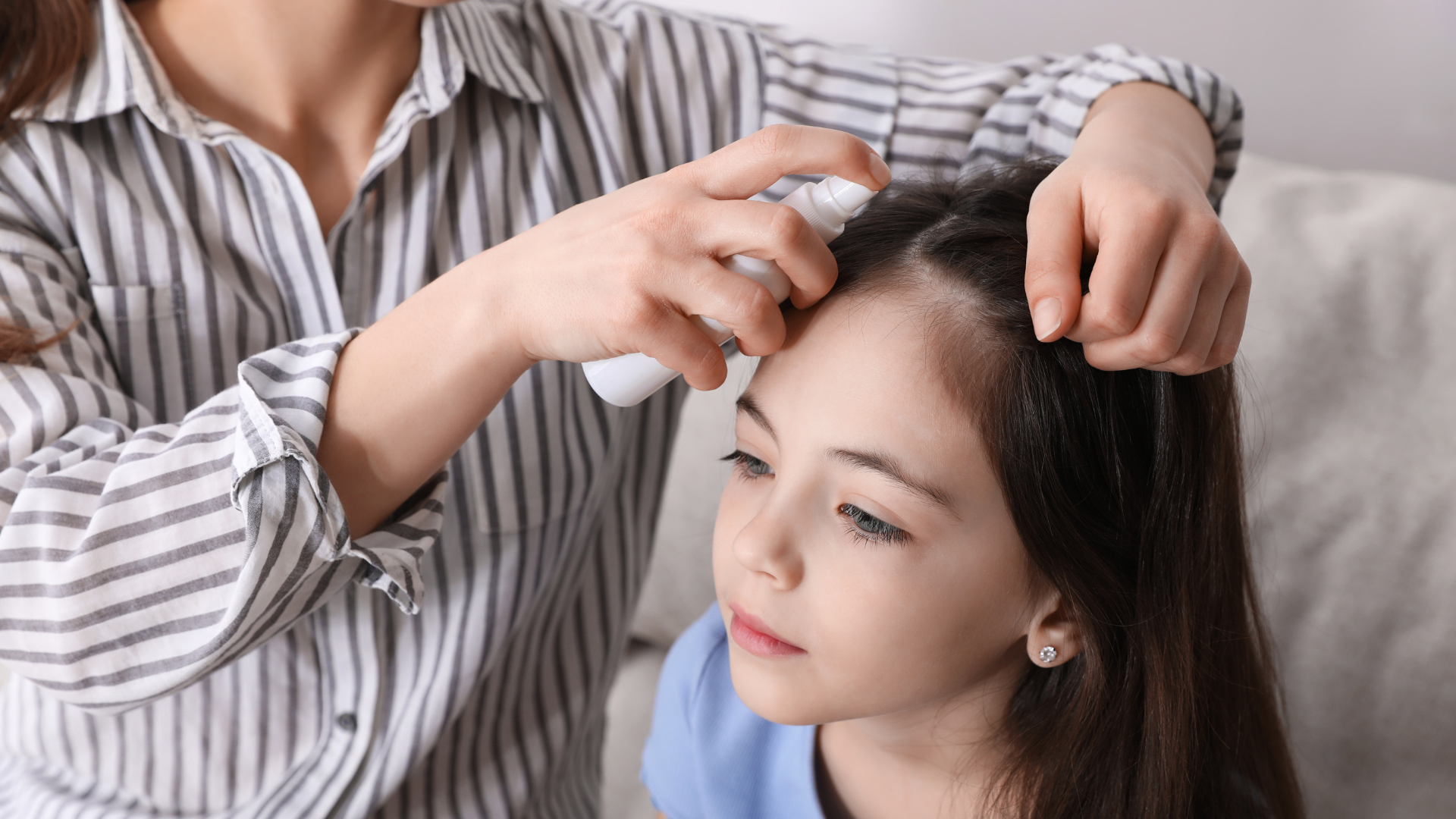
Professional In-Home Lice Treatment
This is the fastest, safest, and least stressful option, especially in winter when families are busy and weather makes outings harder.
Benefits:
- Done in the comfort of your home
- No pesticides
- Safe for kids and adults
- Thorough nit removal
- Immediate results
LiceDoctors technicians are trained professionals who treat lice every single day, using proven methods and medical-grade products.
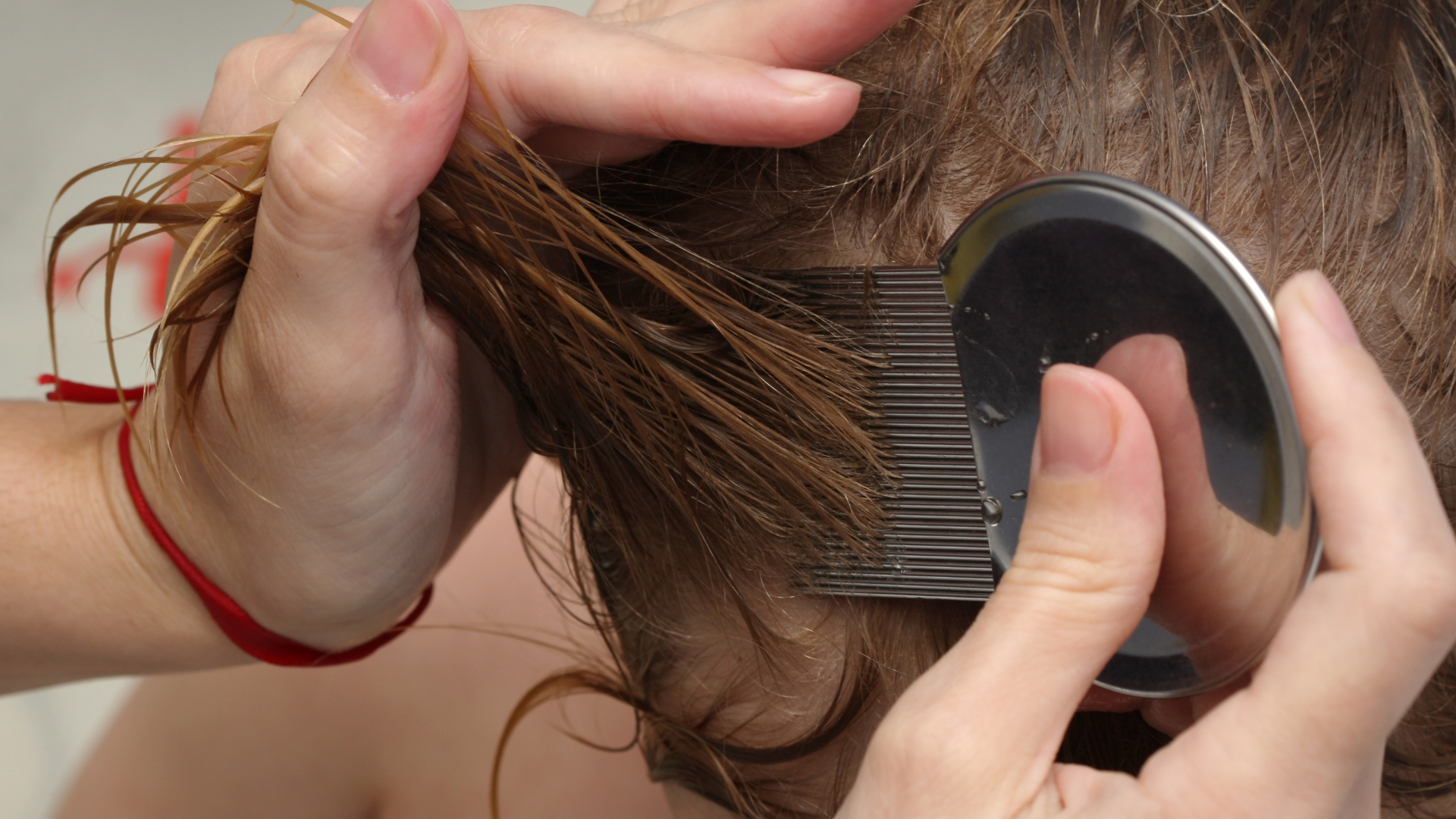
Manual Removal (Wet-Combing Method)
If you’re treating lice yourself, consistency is everything.
You’ll need:
- Conditioner or lice treatment solution
- A high-quality metal nit comb
- Bright lighting
- Time and patience
Process:
- Apply conditioner to damp hair
- Section hair carefully
- Comb from scalp to ends
- Wipe comb after every pass
- Repeat every 2–3 days for 2 weeks
This works,but it’s time-intensive and easy to miss eggs.
Step 3: Don’t Overdo Winter Cleaning
Here’s a reassuring truth:
Lice do not live in your house.
They need a human scalp to survive.
What You Should Clean:
- Wash pillowcases, hats, scarves worn in the last 48 hours
- Use hot water and high heat drying
- Soak combs and brushes in hot water for 10 minutes
What You Can Skip:
- Spraying furniture
- Bagging toys for weeks
- Steam cleaning carpets
- Throwing away bedding or clothes
Save your energy, you’ll need it more than the vacuum cleaner does.
Winter Hats & Lice: Should You Be Worried?
Hats are often blamed for winter lice outbreaks, but the risk is lower than people think.
Lice spread primarily through direct head-to-head contact, not shared items.
Smart Winter Hat Habits:
- Label kids’ hats and scarves
- Avoid sharing headwear when possible
- Store hats separately at school if allowed
No need to ban hats entirely, just be mindful.
How Long Does It Take to Get Rid of Lice in Winter?
The timeline for getting rid of lice in winter depends largely on the treatment method you choose and how thorough the process is.
With the right approach:
- Professional lice treatment: In most cases, lice can be fully removed in a single visit, often the same day. Professional treatments focus on eliminating both live lice and eggs, which helps stop the infestation immediately.
- Manual removal (at-home combing): This method typically takes 1 to 2 weeks of consistent, diligent combing every few days. While effective when done correctly, it requires patience and attention to detail to avoid missing eggs.
No matter which method you use, the key to success is complete egg (nit) removal. Even a few missed nits can hatch days later and restart the entire cycle, making it feel like the lice “came back.”
That’s why consistency, and thoroughness, matter more than the season.
Preventing Lice Reinfestation During Winter
Once lice are gone, keeping them away is the next goal.
Simple Prevention Tips:
- Tie long hair back
- Avoid head-to-head contact during play
- Use preventative sprays with natural oils
- Perform regular checks (especially after school breaks)
Education, not fear, is your best prevention tool.
Common Winter Lice Myths
“Lice only happen to dirty hair”
Lice prefer clean hair, it’s easier to grip
“Cold weather kills lice”
Lice live on scalps, not outside
“Only kids get lice”
Anyone with hair can get lice
“You have to shave hair”
Absolutely not
Why Families Trust LiceDoctors
For decades, LiceDoctors has helped families safely and effectively eliminate head lice, no matter the season. Our approach is built on real-world experience, medical oversight, and methods that are both thorough and family-friendly.
Families trust LiceDoctors because we offer:
- Clinically proven lice removal methods performed by experienced professionals
- Highly trained lice technicians who specialize exclusively in head lice treatment
- Pesticide-free, family-safe solutions suitable for children and adults
- Convenient in-home service, so there’s no need to travel or sit in a clinic
- Guaranteed results, giving families peace of mind from the start
After treating thousands of lice cases across all seasons, our team understands exactly what works, especially during winter outbreaks, when lice often go unnoticed longer and spread more easily indoors.
When to Call a Professional for Winter Lice
You should consider professional treatment if:
- Lice keep coming back
- You’re overwhelmed or short on time
- Multiple family members are affected
- OTC treatments haven’t worked
There’s no prize for suffering through it alone.
Final Thoughts: Winter Lice Are Annoying, Not Dangerous
Finding lice in the middle of winter can feel isolating and stressful, but it doesn’t mean you’ve done anything wrong.
With the right approach, lice are completely manageable, even in the coldest months. Whether you choose professional treatment or a careful at-home method, the key is staying calm, informed, and consistent.
And remember you’re not alone. LiceDoctors is here to help families get through this quickly, safely, and with as little disruption as possible.
Need Help Removing Lice This Winter?
Professional, in-home lice treatment is available, no freezing, no pesticides, no judgment.
Because winter is stressful enough already.