.svg)
.svg)

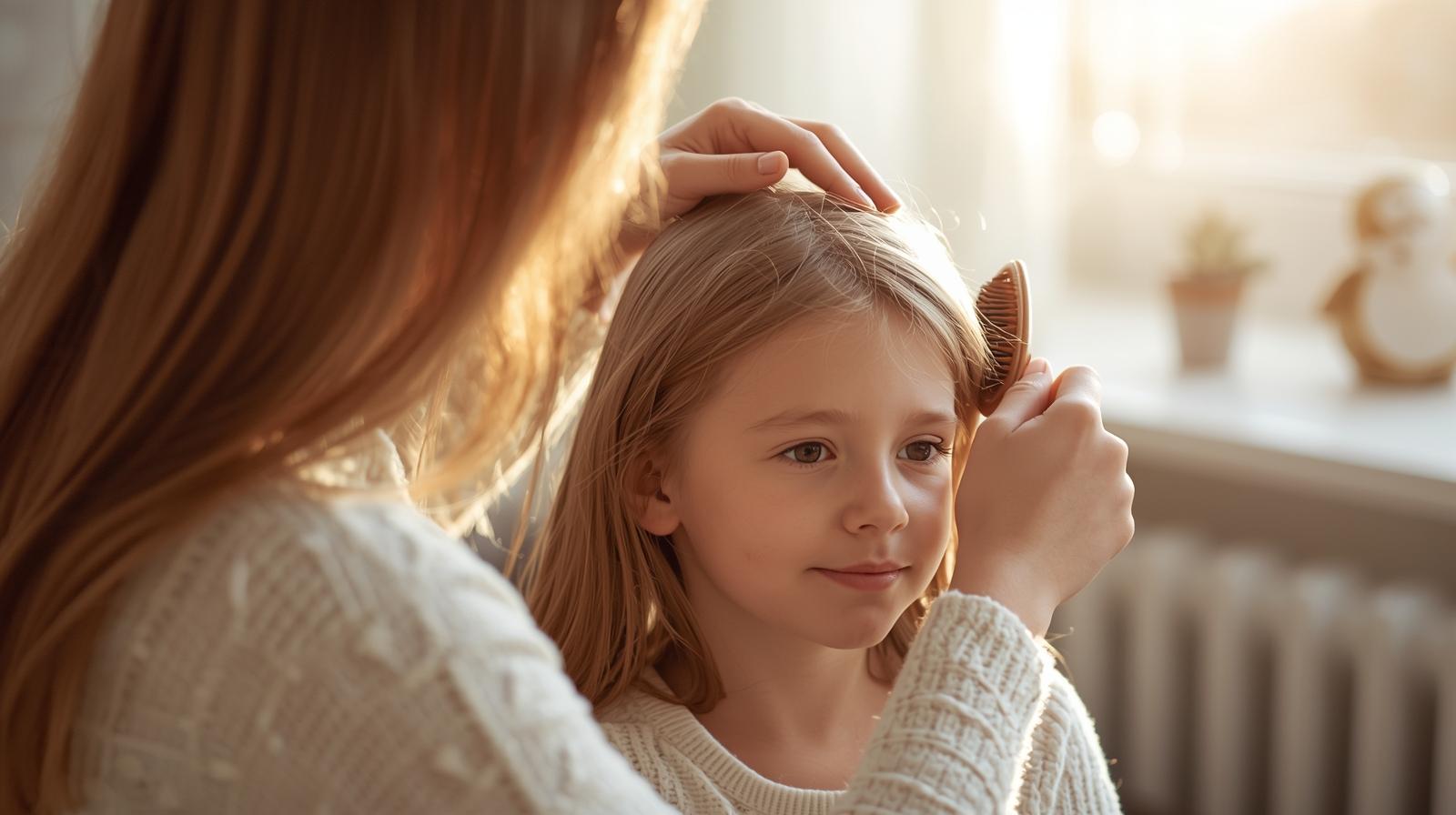

Keeping your hair brushes clean is an essential part of maintaining a healthy scalp and beautiful hair. But during cold weather, the task can feel a bit trickier. From dry air to indoor heating, winter brings unique challenges that can affect both your hair and your hair tools. This guide will walk you through everything you need to know about cleaning hair brushes in cold weather, offering tips, tricks, and reassurance along the way.
Why Cleaning Hair Brushes Matters
You might wonder why cleaning your hair brushes is so important. After all, brushes just touch your hair, right? Here’s why a clean brush matters:
- Reduces Hair Breakage and Damage: Brushes collect hair, oils, and debris that can create friction when brushing, leading to breakage.
- Prevents Scalp Issues: Oil buildup, dirt, and dead skin can cause scalp irritation or even dandruff if left on your brush.
- Maintains Hair Style and Shine: A clean brush distributes natural oils evenly, making your hair look shinier and healthier.
- Limits Lice and Germ Spread: Especially important in households with children, regularly cleaned brushes reduce the risk of spreading lice or germs.
During winter, the need for clean brushes is even more significant. Indoor heating dries out the scalp and hair, which means any buildup on brushes can exacerbate dryness or frizz.
Challenges of Cleaning Hair Brushes in Cold Weather
Cold weather presents some unique hurdles when it comes to hair care. Here’s what makes brush cleaning different in winter:
- Water Temperature Issues: Cold water can be uncomfortable or ineffective for deep cleaning, but very hot water can damage brush materials like wood or plastic.
- Indoor Heating Dryness: Dry indoor air can make hair more fragile, so extra care is needed when cleaning and drying brushes.
- Longer Drying Time: Brushes may take longer to dry indoors, especially in rooms that aren’t well-ventilated.
- Seasonal Build-Up: Winter hair products like heavy conditioners, oils, or anti-frizz serums can accumulate on brushes faster.
Understanding these challenges helps you adapt your cleaning routine so your brushes, and your hair, stay in top condition.
Step-by-Step Guide: Cleaning Hair Brushes in Cold Weather
Cleaning a hair brush isn’t complicated, but doing it correctly in winter requires a bit of thought. Here’s a step-by-step approach:
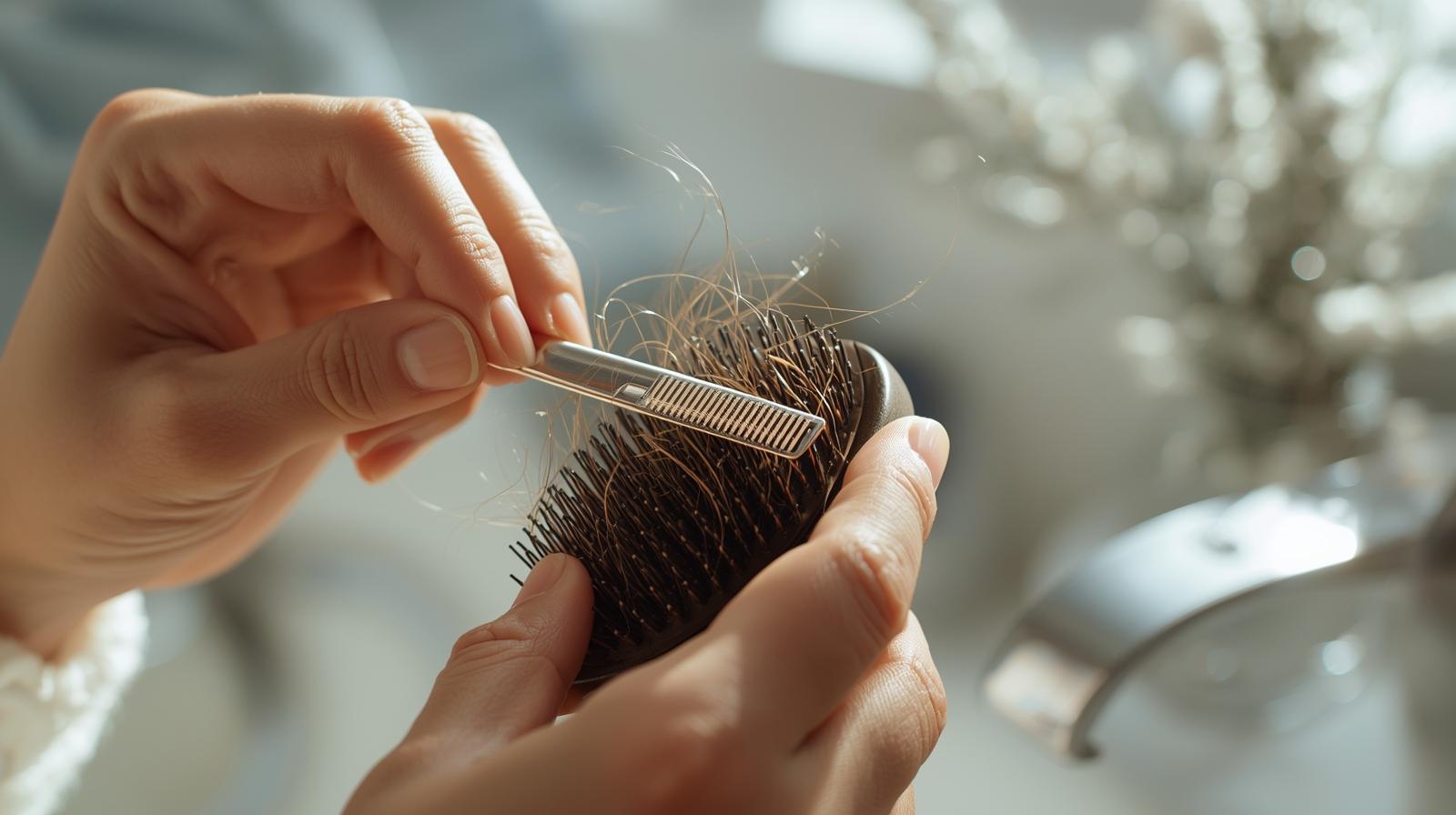
Step 1: Remove Hair and Debris
Start by gently removing hair strands from the brush. Use a comb, another brush, or even your fingers. For brushes with tightly packed bristles, a toothpick or a specialized cleaning tool can help.
Tip: Do this before washing. Hair left on the brush can trap soap or water and make cleaning less effective.
Step 2: Prepare Your Cleaning Solution
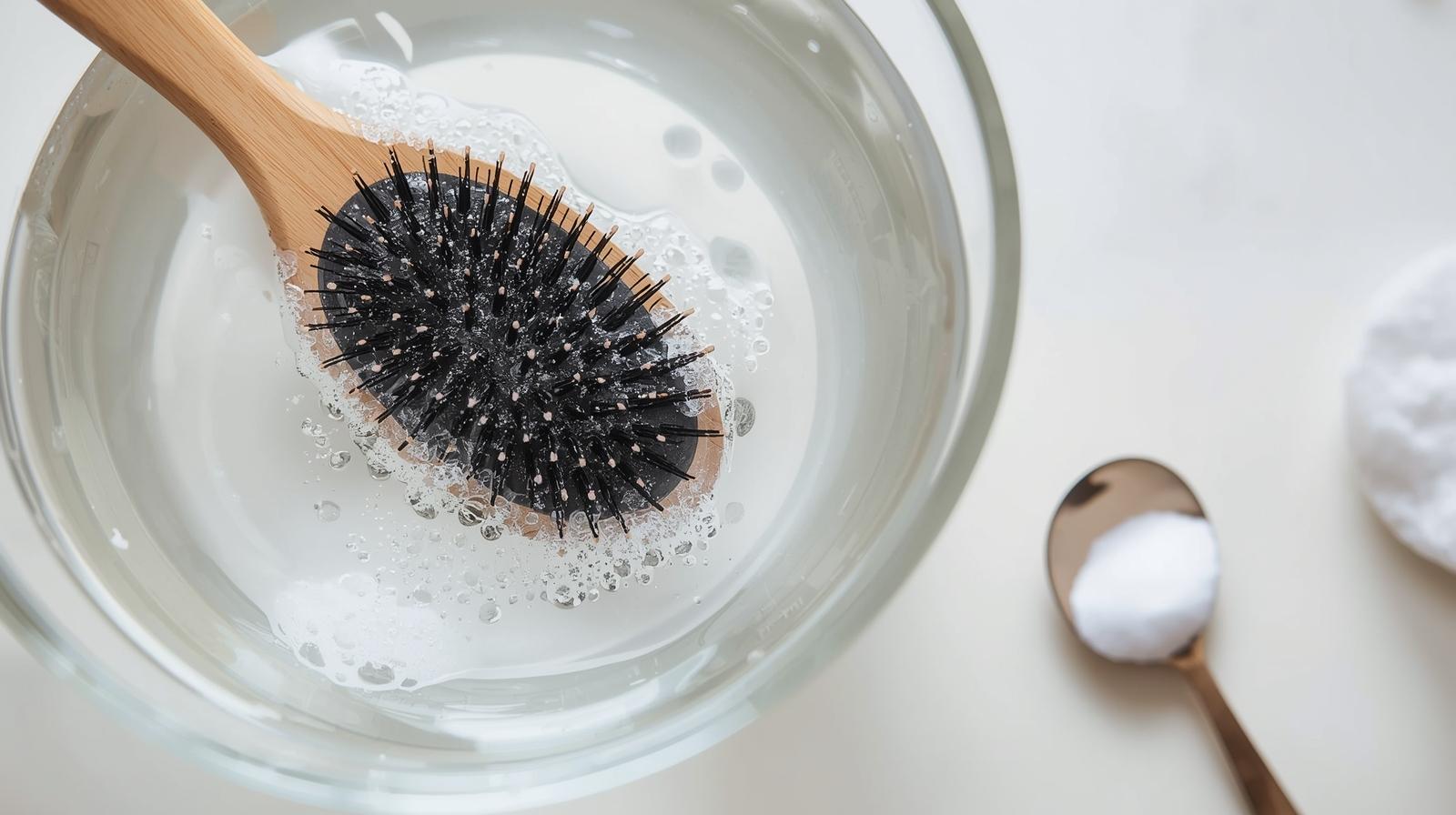
Cold weather means your water might not be warm enough for a deep clean, so you’ll need a mix of water and mild cleaning agents. Here’s what works:
- Mild Shampoo or Dish Soap: A few drops in a bowl of lukewarm water will break down oils and residue.
- Optional: A teaspoon of baking soda can boost cleaning power and help neutralize odors.
Avoid boiling water, especially for wooden or delicate brushes—it can warp or crack the material.
Step 3: Soak the Brush (If Safe)
Not all brushes can be soaked. For plastic or silicone brushes, a 5-10 minute soak is fine. Wooden brushes or brushes with glued bristles should not be fully submerged. Instead, dip the bristles in water and gently scrub with a soft cloth.
Step 4: Scrub Gently
Use an old toothbrush or a small cleaning brush to scrub between the bristles. Focus on the base where oils and dirt tend to accumulate.
Winter tip: Don’t scrub too hard; dry hair and static in winter can make bristles more prone to breaking.
Step 5: Rinse Thoroughly
Rinse brushes with lukewarm water to remove soap residue. Cold water can be used at the end to “seal” the bristles, but avoid shocking wooden brushes with extreme temperature changes.
Step 6: Dry Properly
Drying is crucial in cold weather. Lay the brush bristle-side down on a towel in a warm, dry room. Avoid placing brushes near direct heat sources like radiators, as this can damage the brush or warp bristles.
Extra tip: For wooden brushes, occasionally rub a little natural oil on the handle to prevent cracking from dry indoor air.
Step 7: Regular Maintenance
Cleaning your brushes once a month is usually enough, but during winter or if you use heavy hair products, you may need to clean them every 2-3 weeks.
Special Considerations for Different Brush Types
Not all brushes are created equal. Here’s a quick guide to cleaning the most common types in winter:
1. Plastic Bristle Brushes
- Soak in warm, soapy water for 5-10 minutes.
- Use a toothbrush to clean the base.
- Rinse and air dry.
2. Wooden Brushes
- Avoid soaking.
- Wipe bristles with a damp cloth and mild soap.
- Dry immediately, bristle-side down, in a ventilated area.
- Apply a small amount of oil on the handle if it’s very dry.
3. Metal Bristle Brushes
- Can generally withstand soaking.
- Scrub with a toothbrush and rinse thoroughly.
- Dry immediately to prevent rust.
4. Boar Bristle Brushes
- Very delicate.
- Clean with a soft cloth or toothbrush dipped in mild soap solution.
- Avoid soaking, and dry naturally in a warm area away from direct heat.
How Cold Weather Affects Brush Hygiene
Winter weather affects both your hair and your tools. Here’s what to keep in mind:
- Static Build-Up: Dry air can cause static in hair, which attracts dust and debris to brushes. Cleaning more often helps reduce this problem.
- Product Residue: Heavy winter conditioners and serums can accumulate faster. Regular cleaning prevents sticky bristles.
- Scalp Health: Cold, dry air can make the scalp more sensitive. A dirty brush can exacerbate dryness or itching.

Pro Tips for Winter Hair Brush Care
- Use a Ventilated Holder: Store brushes bristle-side up or on a ventilated holder to prevent trapped moisture.
- Avoid Over-Soaking: Especially for wood or natural bristles. Too much water can warp the brush.
- Warm, Not Hot Water: Lukewarm water cleans effectively without damaging bristles.
- Regular Hair Detangling: Brushing hair gently every day reduces hair buildup on brushes.
- Consider a Scalp-Friendly Spray: Light sprays with moisturizing ingredients can prevent hair and scalp from drying out while brushing.
How Cleaning Brushes Helps Prevent Lice
Lice are more common in households with kids, especially in colder months when hats and scarves trap heat and moisture. Regular brush cleaning is a key preventive step:
- Wash brushes used by anyone with lice in hot, soapy water (or boil plastic brushes for a few minutes if safe).
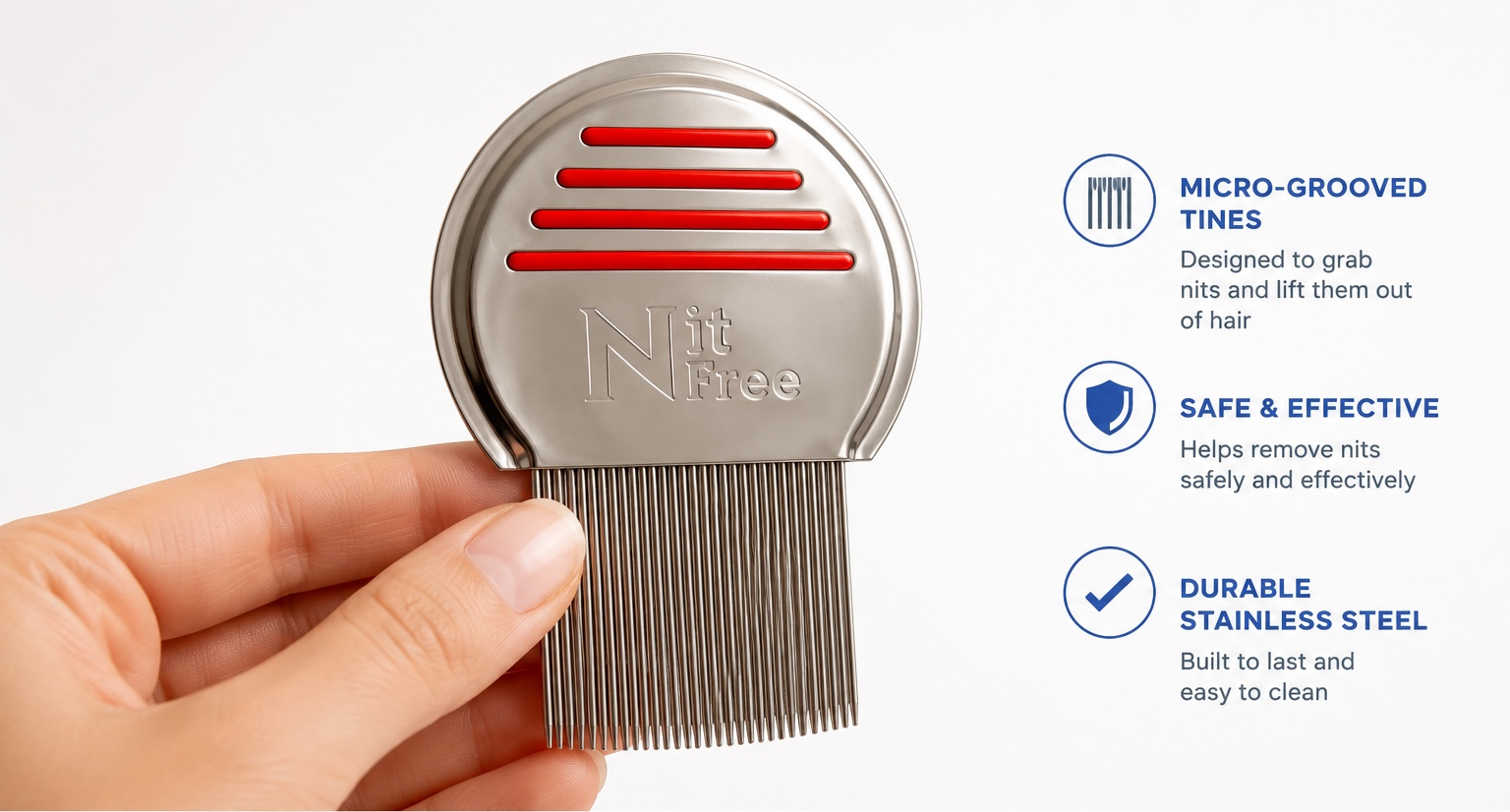
- Comb through bristles with a fine-toothed comb to remove any eggs.
- Replace or sanitize old brushes to reduce risk.
At LiceDoctors, we often stress that prevention is just as important as treatment. Clean brushes, combs, and hair accessories are part of a comprehensive approach.
Signs Your Hair Brush Needs Cleaning
How do you know when your brush is due for a wash? Look for these indicators:
- Hair strands sticking excessively to bristles.
- A sticky or greasy residue on the base.
- A foul or musty smell.
- Accumulated dust or product build-up.
If you notice any of these, it’s time to clean, even if it’s cold outside.
Winter-Friendly Cleaning Schedule
To keep your brushes in top shape during the cold months, consider this schedule:
- Weekly: Remove hair and wipe down bristles with a damp cloth.
- Biweekly: Deep clean brushes used daily or with heavy products.
- Monthly: Check for bristle wear and handle cracks; replace brushes if necessary.
Consistency prevents buildup and keeps your hair looking its best.
Myths About Cleaning Hair Brushes
There are plenty of misconceptions about hair brush hygiene. Here’s the truth:
- “You Only Need to Clean Brushes When They Look Dirty” – False. Even invisible oil and product residue can damage hair over time.
- “Boiling Brushes Are Always Safe” – False. Wooden or glued brushes can warp or lose bristles.
- “Cold Water Won’t Clean Properly” – Partially true. Cold water alone may not remove oils; mild soap and gentle scrubbing work best.
Understanding these facts helps you maintain both brush and hair health safely.
Final Thoughts: Caring for Your Hair Brushes in Cold Weather
Cold weather doesn’t have to make hair care more complicated. By following these simple, expert-backed steps, you can:
- Prevent hair breakage and scalp irritation.
- Reduce buildup from winter styling products and oils.
- Keep your brushes clean, hygienic, and long-lasting.
- Lower the risk of lice and germs spreading in your home—especially important if you have children.
At LiceDoctors, we know that clean brushes are a key part of preventing lice before they become a problem. Taking a few extra minutes to care for your brushes not only protects your hair and scalp but also supports your family’s health and comfort during the dry winter months.
Remember: a clean hair brush isn’t just a tool, it’s a small but powerful step in maintaining a lice-free, healthy, and happy home.