
.svg)
.svg)



Holiday photo shoots are one of those things families look forward to all year. New outfits. Fresh haircuts. Coordinating colors. Kids who may or may not smile on cue.
Whether it’s a professional studio session, school holiday portraits, or a quick mini-shoot for cards, these moments often end up framed on walls and shared with friends and family for years.
But there’s one detail many parents don’t think about until it’s too late: head lice exposure during group photo sessions.
At LiceDoctors, we talk to families every year who say, “We had no idea picture day could be a risk.” The good news is this isn’t something to panic about. With a little awareness and a few smart habits, you can protect your child’s hair and scalp without adding stress to an already busy season.
Why Lice Are a Year-Round Issue (Not Just a Back-to-School Problem)
Many people associate head lice with the start of the school year. While that’s a common time for outbreaks, lice don’t follow a calendar.
In fact, fall and winter are some of the busiest times we see at LiceDoctors. Kids are indoors more often. They’re in close proximity at school, playdates, parties, and events. Add in holiday activities, and opportunities for head-to-head contact increase.
Lice spreads through direct hair-to-hair contact. They don’t jump or fly. They crawl. And they’re very good at moving when heads are close together, even briefly.
That’s why environments that bring kids together around shared spaces, costumes, props, or styling tools deserve a little extra attention.
What Makes Holiday Photo Shoots a Potential Lice Risk?
Not all photo sessions are risky. But certain setups can create the perfect conditions for lice to spread.
Here’s why holiday photo shoots deserve a closer look.
1. Close Head Positioning
Photographers often ask kids to:
- Lean in
- Tilt heads together
- Rest chins on shoulders
- Sit closely on benches or stools
This is especially common for sibling shots or group photos. Even a few seconds of hair-to-hair contact is enough for lice to crawl from one head to another.
2. Shared Props and Backdrops
Think about:
- Santa hats
- Holiday headbands
- Faux fur throws
- Costumes
- Scarves or blankets
If these items touch hair and aren’t cleaned between children, they can become a short-term transfer surface.
While lice prefer human heads and don’t live long off the scalp, they can survive just long enough on soft items to pose a risk in back-to-back sessions.
3. Shared Styling Tools
Some studios offer quick hair touch-ups using:
- Brushes
- Combs
- Hair clips
- Headbands
If tools aren’t disinfected between each child, lice or nits can be transferred.
4. Busy, High-Volume Photo Days
School photo days and holiday mini-sessions often involve dozens or even hundreds of children cycling through the same space in a short time. The faster the turnover, the more likely hygiene steps are rushed or skipped.
Most photographers do their best. But lice prevention isn’t always top of mind.

A Quick Reality Check: Lice Are Common and Not a Reflection of Cleanliness
Before we go any further, it’s important to say this clearly.
Anyone can get lice.
Clean hair. Dirty hair. Curly hair. Straight hair. Long hair. Short hair.
Lice do not discriminate, and having lice does not mean a parent did something wrong.
At LiceDoctors, we work with families from every background. Doctors, teachers, athletes, performers, and yes, kids who just had perfect holiday photos taken days before.
The goal here isn’t blame. It’s awareness and prevention.
How Lice Actually Spread (And What Doesn’t Matter)
Understanding the basics helps cut through myths.
Lice spread through:
- Direct head-to-head contact
- Hair touching hair
- Close contact during play, photos, sleepovers, or sports
Lice do NOT spread through:
- Hugging (without head contact)
- Sharing food or drinks
- Poor hygiene
- Pets
- Air
They also don’t survive long off the scalp, which is why prevention focuses on reducing hair-to-hair contact.
Before the Photo Shoot: Simple Lice-Safe Prep
You don’t need to cancel pictures or keep your child isolated. A few small steps can go a long way.
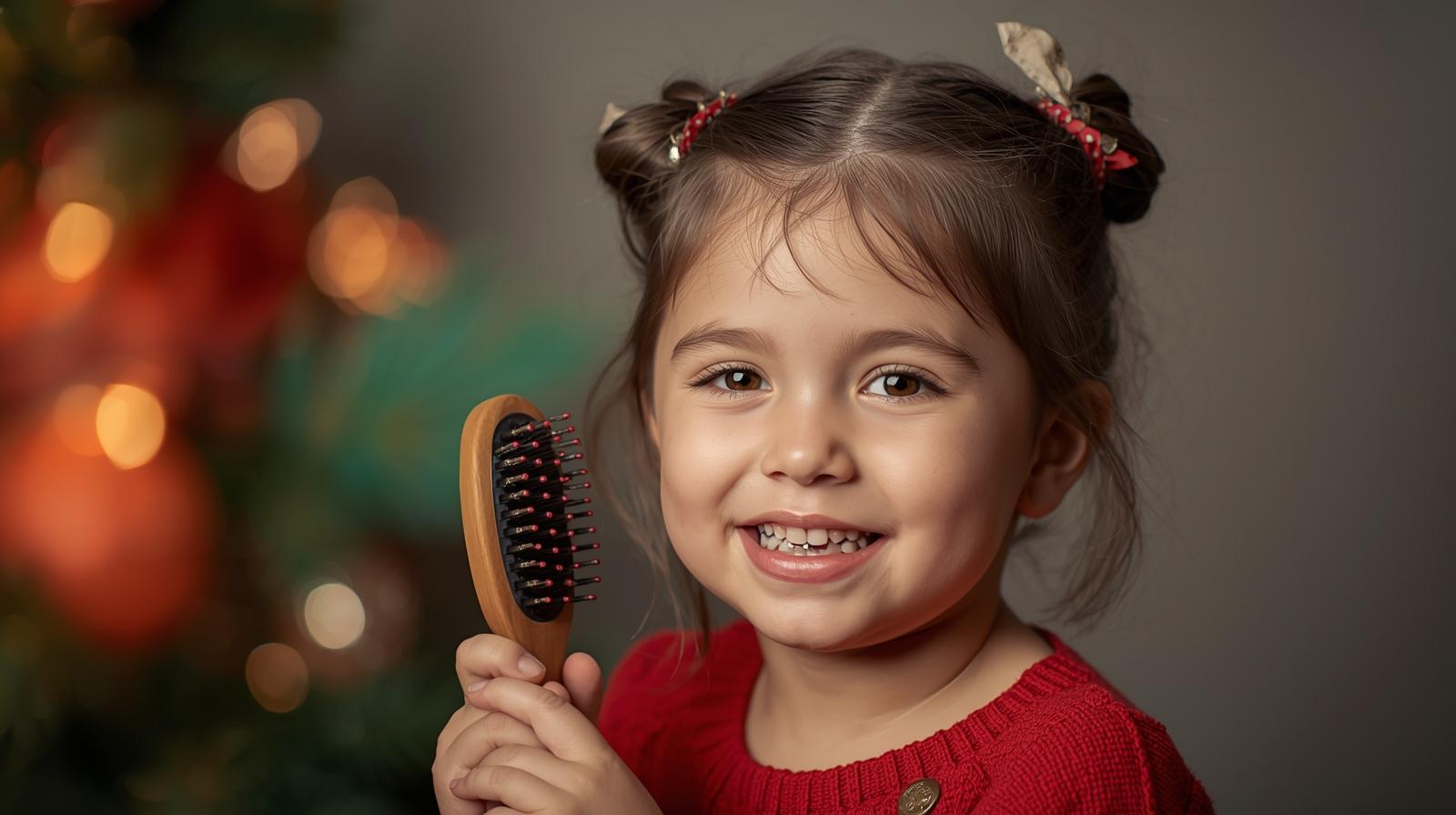
Style Hair in a Way That Limits Contact
Hair that’s pulled back is less likely to touch other heads.
Good options include:
- Braids
- Low buns
- Ponytails
- Half-up styles
If your child prefers wearing hair down, consider smoothing it back slightly or tucking it behind the ears.
Avoid Borrowing Hair Accessories
Send your child with their own:
- Headbands
- Clips
- Bows
Even if the studio offers accessories, it’s safer to use your own.
Use a Preventive Hair Product
Many families choose to use lice-repellent sprays made with essential oils like peppermint or rosemary. While no product is 100 percent lice-proof, these sprays can make hair less appealing to lice.
They’re especially helpful during high-risk seasons and events.
Do a Quick Check Beforehand
A simple scalp check the night before or morning of the shoot can give peace of mind.
Look behind the ears, at the nape of the neck, and along the hairline. You’re checking for:
- Live bugs
- Tiny white or yellowish eggs (nits) attached close to the scalp
If you’re unsure what you’re seeing, it’s okay to pause and get professional advice before pictures.
During the Photo Shoot: Smart, Low-Stress Awareness
Most of the time, parents aren’t in the room during school photos or studio sessions. But when you are, a little awareness helps.
Gently Advocate for Space
If you notice kids being asked to press heads together, it’s okay to politely ask for a small adjustment.
Something as simple as:
“Could they lean shoulders together instead of heads?”
Most photographers are happy to accommodate.
Be Cautious with Shared Items
If a prop touches your child’s hair and looks like it’s used repeatedly, you can:
- Ask if it’s cleaned between sessions
- Skip it altogether
Your child will still look great without the fuzzy Santa hat.
After the Photo Shoot: What to Watch For
Lice symptoms don’t always show up right away. It can take days or even weeks before itching starts.
Common signs include:
- Itching, especially behind the ears or at the neck
- Complaints of a tickling feeling on the scalp
- Trouble sleeping
- Redness from scratching
That’s why post-event checks matter.
Do a Check 7–10 Days Later
This timing allows any newly transferred lice to be visible.
Use good lighting, a fine-tooth comb, and take your time. If you’re not confident in what you’re seeing, professional checks can save a lot of guesswork.
What If You Discover Lice After Holiday Pictures?
First, take a breath.
This happens more often than people realize, especially during busy seasons. The good news is lice are very treatable when handled properly.
Avoid DIY Panic Treatments
Many over-the-counter products:
- Don’t work due to resistant lice
- Contain harsh chemicals
- Require multiple applications
They can also irritate the scalp and still leave nits behind.
Get Professional Help Early
LiceDoctors specializes in:
- In-home lice treatment
- 100 percent effective removal
- Same-day appointments in many areas
Our trained technicians remove live lice and nits thoroughly, reducing the risk of reinfestation.
Families often tell us the biggest relief isn’t just the treatment. It’s having someone knowledgeable confirm the problem is fully handled.
Why Holiday Stress Makes Lice Feel Worse Than They Are
The timing is often what makes lice feel overwhelming.
You’re already juggling:
- Shopping
- Travel
- School events
- Family gatherings
- Photo deadlines
Finding lice on top of that can feel like too much.
But in reality, lice are a manageable inconvenience, not a crisis. With proper treatment and support, families usually return to normal routines quickly.
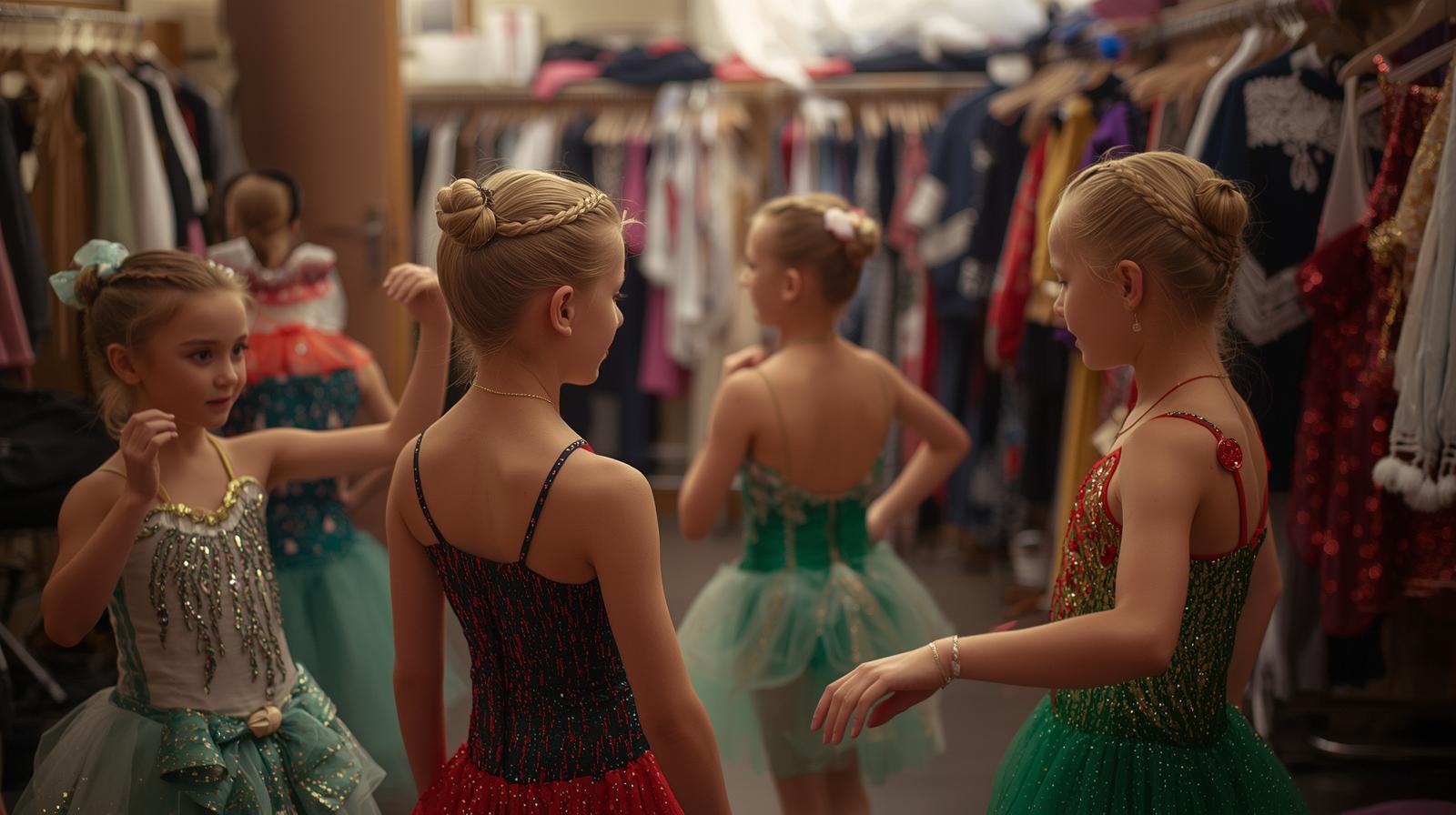
Lice Safety for Group Photos, Performances, and Holiday Events
Photo shoots aren’t the only seasonal risk. Similar precautions apply to:
- School plays
- Choir concerts
- Dance recitals
- Sports team photos
- Holiday parties
Anywhere kids gather closely with styled hair, costumes, or props, lice awareness helps.
The goal isn’t to avoid these experiences. It’s to enjoy them with confidence.
How LiceDoctors Supports Families During the Holidays
At LiceDoctors, we know that dealing with lice is the last thing any family wants to worry about, especially during a season that’s meant to be joyful, busy, and full of meaningful moments.
That’s why our care is built around what families actually need during the holidays:
- Professional, discreet in-home treatment so you don’t have to disrupt your schedule
- Education without judgment, because lice happen and blame doesn’t help
- Clear, practical prevention guidance you can use right away
- Calm, supportive help for parents who feel overwhelmed or unsure what to do next
We work with families every day who tell us, “I wish I’d known this sooner.” Our goal is to make sure more families do, so a small issue doesn’t turn into unnecessary stress.
Final Thoughts: Keeping Holiday Photos Fun and Lice-Free
Holiday photo shoots should be about capturing smiles, laughter, and memories, not worrying about lice. While head-to-head contact and shared props can increase exposure, a little awareness goes a long way. Simple steps like checking hair before and after the session, keeping hairstyles pulled back, and using personal hair accessories can make a real difference.
Remember, lice are common and treatable, and professional support can make the process faster, easier, and less stressful. With the right preparation, your family can enjoy holiday photos confidently, knowing you’ve taken smart precautions.
If you ever suspect lice or want guidance on prevention, LiceDoctors is here to help. Our experienced team provides discreet, professional care so you can focus on celebrating the season, and the only thing that should be contagious is good cheer.