.svg)
.svg)



Gardening season is one of the most enjoyable times of the year. As the weather warms and flowers begin to bloom, many people head outdoors to tend their gardens, plant vegetables, and enjoy the fresh air. Along with gloves and sunscreen, hats are often part of a gardener’s daily routine.
However, it’s a good habit to check hats before wearing them. Hats stored in sheds, garages, mudrooms, or other outdoor areas can sometimes attract insects, and in rare cases, even head lice.
Although head lice most commonly spread through direct head-to-head contact, shared hats can occasionally contribute to transmission. Because gardening hats are often reused or stored in outdoor spaces, giving them a quick check before putting them on can help prevent unexpected irritation.
Taking a few seconds to inspect your gardening hat can provide peace of mind. In this guide, we’ll explain why hats can sometimes harbor insects, how lice survive outside the human scalp, and simple habits that help keep you and your family protected during gardening season.
Why Gardening Hats Can Attract Unwanted Guests
Gardening hats often spend long periods sitting in storage. Between seasons, they may hang on hooks in the garage, rest on shelves in a garden shed, or sit inside bins with other outdoor supplies.
These quiet storage spots can sometimes become temporary hiding places for insects.
Warm, dark spaces tend to attract many small bugs. When a hat sits unused for weeks or even months, insects may crawl into the folds or lining. Even when stored indoors, pests can occasionally find their way into closets, storage containers, or laundry areas.
Some of the common insects that might end up inside a hat include:
- Ants
- Small beetles
- Spiders
- Earwigs
- Mites
Most of these bugs are harmless, but discovering one on your hat can definitely be an unpleasant surprise.
In rare situations, hats may also carry head lice, especially if they have been shared among family members or children.

Understanding Head Lice and How They Spread
Head lice are tiny parasitic insects that live on the human scalp and feed on small amounts of blood. They are extremely common, particularly among school-aged children.
One important thing to understand about head lice is how they spread. The most common method of transmission is head-to-head contact.
When two people’s heads touch, lice can crawl from one scalp to another. This is why lice spread easily among children who play closely together at school, during sports, or at sleepovers.
However, lice can sometimes spread through shared personal items such as:
- Hats
- Hair accessories
- Helmets
- Pillowcases
- Brushes or combs
Although lice cannot jump or fly, they can crawl. If an infested person recently wore a hat, a louse may remain inside for a short period of time.
If another person wears the same hat soon afterward, there is a small chance the insect could crawl onto the new person’s scalp.
Because gardening hats are sometimes shared among family members or stored in places where several people may grab them, taking a moment to check a hat before wearing it is a smart and simple habit.
Can Head Lice Live in Hats?
A common concern is whether head lice can survive inside clothing or hats. The short answer is yes, but only for a limited period.
Head lice are specially adapted to live on the human scalp, where they rely on warmth and frequent feeding to survive. Once separated from the scalp, lice typically live for no more than 24–48 hours.
Because of this, a hat that has been sitting unused for several days is unlikely to contain live lice. However, if someone with an active lice infestation recently wore a hat, there is still a small chance that a louse could remain inside.
The risk is low, but it’s not impossible, especially in households with children who may share hats during outdoor activities or gardening.
Why Gardening Season Increases the Chances of Shared Hats
During gardening season, families tend to spend more time outdoors together. Because of this, clothing and accessories like hats are often shared more frequently without much thought.
For example:
- Someone forgets their hat and borrows another person’s.
- Kids grab whatever hat is nearby before heading outside.
- Hats get tossed into a shared basket or bin near the garden door.

These casual exchanges are completely normal, but they can also create opportunities for insects, including head lice, to move from one item to another.
In addition, gardening hats are often:
- Made from breathable fabrics with folds and seams
- Stored in warm outdoor spaces like garages or garden sheds
- Used repeatedly throughout the season without regular washing
Because of these conditions, hats can occasionally serve as temporary hiding spots for small insects.
How to Quickly Check a Hat Before Wearing It
Fortunately, preventing unwanted surprises is simple. Taking a few seconds to check your hat before putting it on can help make sure it’s clean, comfortable, and free from insects.
Here’s a quick routine you can follow before heading out to the garden:
1. Give the Hat a Quick Shake
Hold the hat upside down and give it a gentle shake. This helps remove any small insects, dust, or debris that may have settled inside while the hat was in storage.
2. Look Inside the Lining
Take a quick look at the interior band or lining of the hat. Small bugs sometimes hide along seams or folds, so it’s helpful to check those areas.
3. Brush Off the Surface
Use your hand to lightly brush the inside of the hat. This can remove leaves, dirt, or anything that may have gotten inside while the hat was stored in a shed or garage.
4. Let It Air Out
If the hat has been sitting in storage for a while, letting it air out for a few minutes can help remove dust and odors before wearing it.
These simple steps only take a moment but can help keep your gardening gear clean and comfortable throughout the season.
Tips for Storing Gardening Hats Properly
Proper storage can go a long way in preventing insects from settling inside your gardening hats in the first place. Since many hats are stored in sheds, garages, or outdoor storage bins, it’s important to keep them in places that discourage bugs from crawling inside.
Here are a few simple habits that can help keep your gardening hats clean and ready to wear.
Keep Hats in Sealed Containers
Plastic storage bins with secure lids can help keep insects away from clothing and accessories. Storing hats in sealed containers also protects them from dust, moisture, and debris that may collect in outdoor storage areas.
Wash Hats Periodically
Fabric hats can usually be washed by hand or on a gentle cycle in the washing machine. Regular cleaning removes dirt, sweat, and any insects that might have gotten inside the hat during outdoor use.
Avoid Storing Hats on the Ground
Whenever possible, store hats on shelves, hooks, or storage racks. Keeping them elevated reduces the chance that crawling insects will find their way inside.
Separate Personal Hats
If several family members enjoy gardening, it’s a good idea for each person to have their own hat. This simple habit helps prevent accidental sharing and reduces the chance of spreading lice or other pests.
What to Do If You Suspect Head Lice
If someone in your household starts complaining about an itchy scalp during gardening season, it may naturally raise concerns about head lice—especially if hats or other outdoor gear have been shared.
However, it’s important to remember that not every itchy scalp is caused by lice. Dry skin, sweat from working outdoors, pollen, or seasonal allergies can also lead to irritation.
Still, it’s helpful to know the common signs of head lice so you can take action quickly if needed.
Signs that may indicate lice include:
- Persistent itching on the scalp
- A tickling or crawling sensation in the hair
- Small white or tan eggs (called nits) attached to hair strands
- Tiny moving insects close to the scalp
If you notice these signs, it’s best to confirm the presence of lice before starting any treatment. If lice are confirmed, professional services like LiceDoctors offer in-home treatment with trained technicians who carefully remove lice and nits, helping families resolve infestations quickly and safely.
Why Professional Lice Treatment Can Help
Many over-the-counter lice products rely on chemical treatments that may not fully eliminate lice or their eggs. In some cases, families may not even be sure whether lice are present before starting treatment.
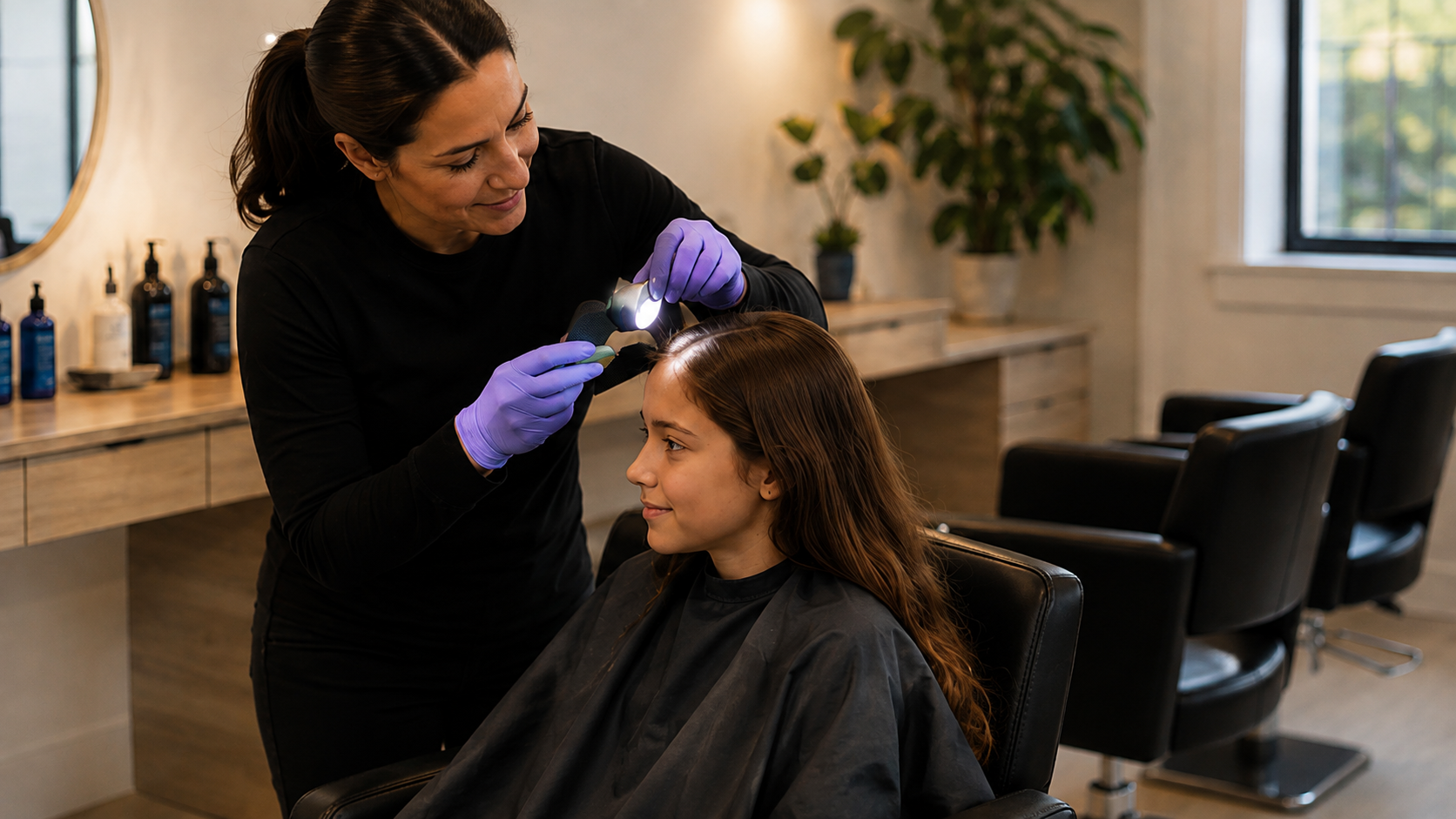
Professional lice removal services begin with a careful head lice screening to confirm whether an infestation is present. During a screening, trained technicians examine the scalp and hair strands to identify live lice or nits that may be difficult to see with the naked eye.
Experienced technicians understand:
- How lice behave and where they tend to hide
- How to distinguish dandruff from lice eggs
- Where nits are typically located on hair shafts
- The most effective methods for removing both lice and nits
This type of professional screening helps families avoid unnecessary treatments and ensures that lice are identified accurately before beginning the removal process. For parents who are unsure whether lice are present, learning about the LiceDoctors head lice screening procedure can provide reassurance and guidance on the next steps.
Gardening Comfort and Peace of Mind

Gardening is meant to be relaxing and rewarding. Whether you’re planting vegetables, pruning flowers, or simply enjoying time outdoors, small preventative habits can make the experience even better.
Checking your gardening hat before wearing it is one of those simple steps that takes only a few seconds but provides extra peace of mind.
By combining a quick inspection with proper storage and occasional washing, you can keep your gardening gear clean, comfortable, and ready for the next day in the garden.
Frequently Asked Questions About Hats and Head Lice
Can lice jump from hats onto your head?
No. Head lice cannot jump or fly. They move by crawling. Transmission would only occur if a louse is already inside the hat and crawls onto the scalp.
How long can lice live without a human host?
Most lice survive only 24 to 48 hours away from the scalp.
Should hats be washed after someone has lice?
Yes. Washing hats in warm water and drying them with heat can help eliminate lice or nits.
Is sharing hats a common way lice spread?
It’s less common than direct head-to-head contact, but sharing hats can occasionally contribute to transmission.
Final Thoughts: Enjoy Gardening Season with Confidence
Spring and summer gardening bring countless joys: fresh air, blooming flowers, and the satisfaction of nurturing plants. Hats play an important role in protecting gardeners from the sun and keeping outdoor work comfortable.
By simply checking hats before wearing them, you add one extra layer of protection against insects and the small possibility of head lice. It’s a quick habit that supports good hygiene, reduces unnecessary worries, and helps ensure that your time in the garden stays focused on what matters most, enjoying the outdoors.
If you ever suspect a lice problem, professional help can make the process much easier. LiceDoctors provides expert in-home head lice treatment services across the United States, helping families eliminate lice safely and return to their daily routines with confidence. Families who need help can book a head lice treatment appointment online and receive professional care from experienced technicians.
.webp)