.svg)
.svg)


Easter gatherings bring families together for meals, photos, and meaningful moments. One common tradition, taking close “heads together” group photos, can unintentionally increase health risks during group events, especially when multiple households are involved. This article explains why these photos carry more risk, how families can still capture beautiful memories, and offers practical, reassuring alternatives. It also answers common Easter-related questions in a helpful FAQ format, making this guide useful, people-first, and easy to understand.
Easter has a way of making everything feel lighter. The colors are softer, the food is comforting, and the focus is on togetherness, hope, and renewal. Families gather around tables, kids run around with baskets, and cameras come out almost automatically.
Somewhere between the food and the laughter, someone usually says,
“Okay, everyone, get close. Heads together.”
It feels natural. It feels loving. And for many families, it feels like a tradition in itself.
But there is something worth gently talking about. Not to scare anyone, and definitely not to take away from the joy of Easter, but to help families make thoughtful choices that keep everyone comfortable and cared for.
Why “Heads Together” Photos Are So Common at Easter
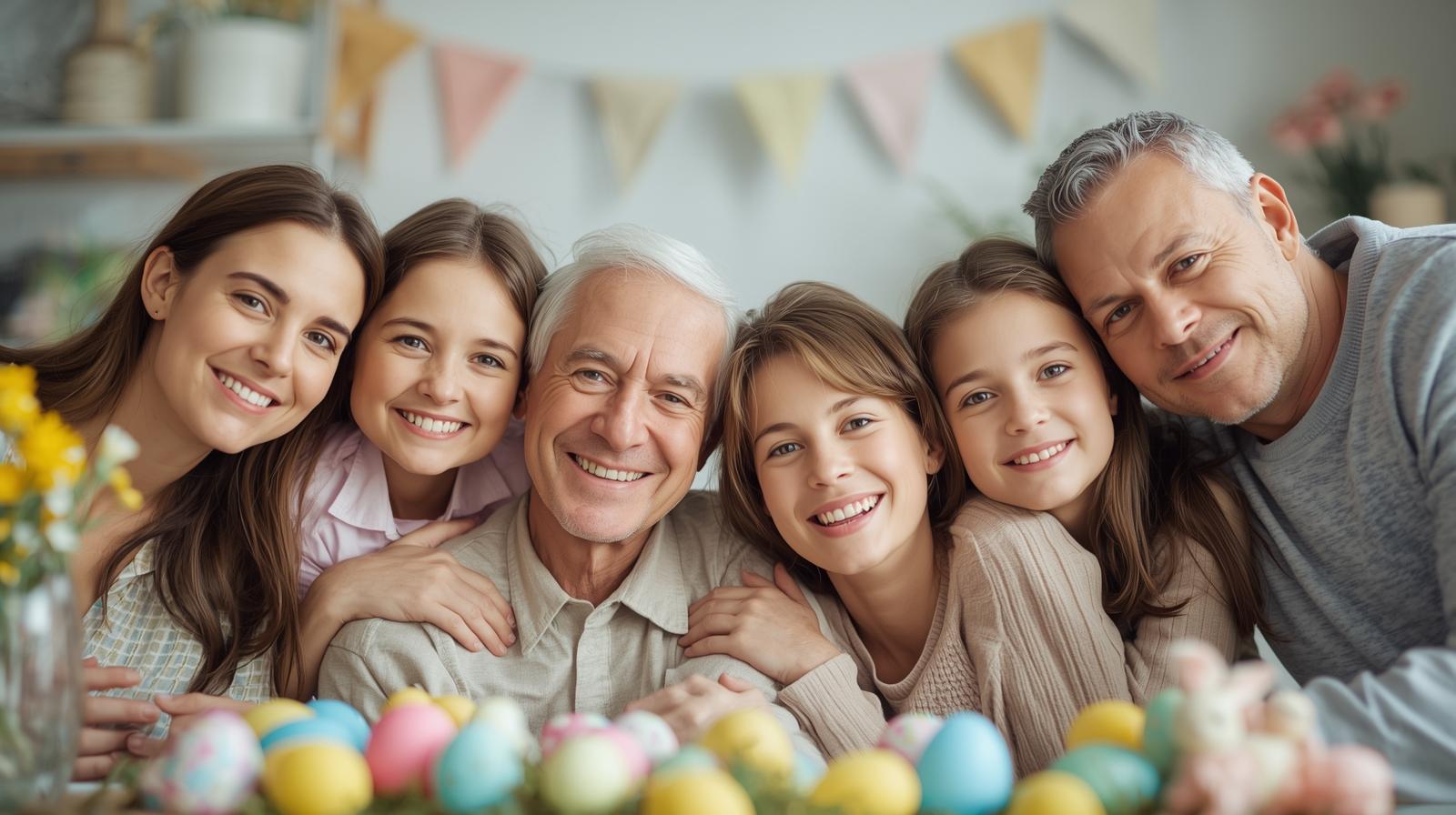
“Heads together” photos have become popular because they feel intimate and warm. When faces are close, the photo looks connected and emotional. It captures the feeling of family closeness that Easter is all about.
These photos often happen:
- After church services
- During Easter brunch or lunch
- Before dessert or egg hunts
- When relatives who rarely see each other are finally together
Because Easter is not just a meal but an experience, photos become part of preserving that memory.
The problem is not the intention. The issue is that many people do not realize what is happening physically during these moments.
What Happens When Heads Come Close Together
When people lean their heads close together, especially face-to-face, they enter each other’s personal breathing space. Even if the pose lasts only a short time, several things happen at once.
People breathe in the same small space.
People often talk, laugh, or adjust positions.
Photos are retaken, extending the time spent close.
This kind of contact is very different from sitting across a table or standing side by side.
Beyond respiratory concerns, close head-to-head contact is also one of the most common ways head lice spread, especially among children. When heads touch during photos, hugs, or group activities, lice can easily crawl from one person’s hair to another. This is why health professionals often encourage families to be mindful of prolonged head-to-head contact during group gatherings.
The risk increases even more when:
People come from different households
Some family members are elderly
Someone has a weakened immune system
Children are involved, since kids often show few or no symptoms when sick
None of this means that Easter gatherings are unsafe by default. It simply means that some moments deserve a little more awareness.
Why This Matters More During Holiday Gatherings
Easter gatherings are unique because they combine several factors at once.
Families stay together for hours, not minutes.
Meals are shared.
Indoor spaces are often used.
People relax their usual boundaries because they feel at home.
All of this is normal and human. The issue is that “heads together” photos create a brief but intense moment of closeness that stacks on top of everything else already happening.
That is why health-conscious families and communities have started rethinking these poses, especially when vulnerable loved ones are present.
The Emotional Side of Close Photos
It is important to say this clearly.
People do not take “heads together” photos because they are careless. They do it because they care.
These photos represent:
- Love
- Belonging
- Togetherness
- Family identity
After years where gatherings were limited or cancelled, many people feel a strong desire to make every moment count. Saying no to a close photo can feel awkward or even hurtful.
That emotional layer matters. Any conversation about safety has to respect that reality.
When Someone Feels Uncomfortable But Does Not Speak Up
At many Easter gatherings, not everyone feels equally comfortable expressing boundaries.
Some people may be:
- Managing a health condition
- Recovering from a recent illness
- Caring for an elderly parent at home
- Feeling anxious about close contact
But in a joyful setting, people often stay quiet to avoid drawing attention to themselves.
This is why awareness helps. When families understand the risk collectively, adjustments feel thoughtful rather than personal.
Common Assumptions That Are Easy to Miss
There are a few beliefs that make close-contact photos seem harmless.
“It’s only for a second.”
In reality, people often stay close longer than planned while adjusting and retaking shots.
“We are all family anyway.”
Family members can still carry common illnesses, even without symptoms.
“We were already eating together.”
Eating usually involves facing forward or sideways. Heads-together photos bring faces directly into shared breathing space.
Everyone feels fine.
Many common infections spread before people feel sick.
Understanding this helps families make informed, calm decisions.
Health Is Also About Emotional Comfort
A healthy Easter is not just about avoiding illness. It is also about making sure everyone feels safe, respected, and included.
If someone feels pressured into a close photo they are not comfortable with, that stress matters. Emotional comfort is part of overall well-being.
The good news is that you do not need to give up meaningful photos to be considerate.
Safer Ways to Take Beautiful Easter Photos
You can still capture warm, joyful memories without crowding faces together.
Step-Back Group Photos
Everyone stands close, but with a small natural space between their heads. These photos still look connected and relaxed.
Seated Family Photos
People sitting side by side create a cozy feeling without leaning inward.
Outdoor Photos
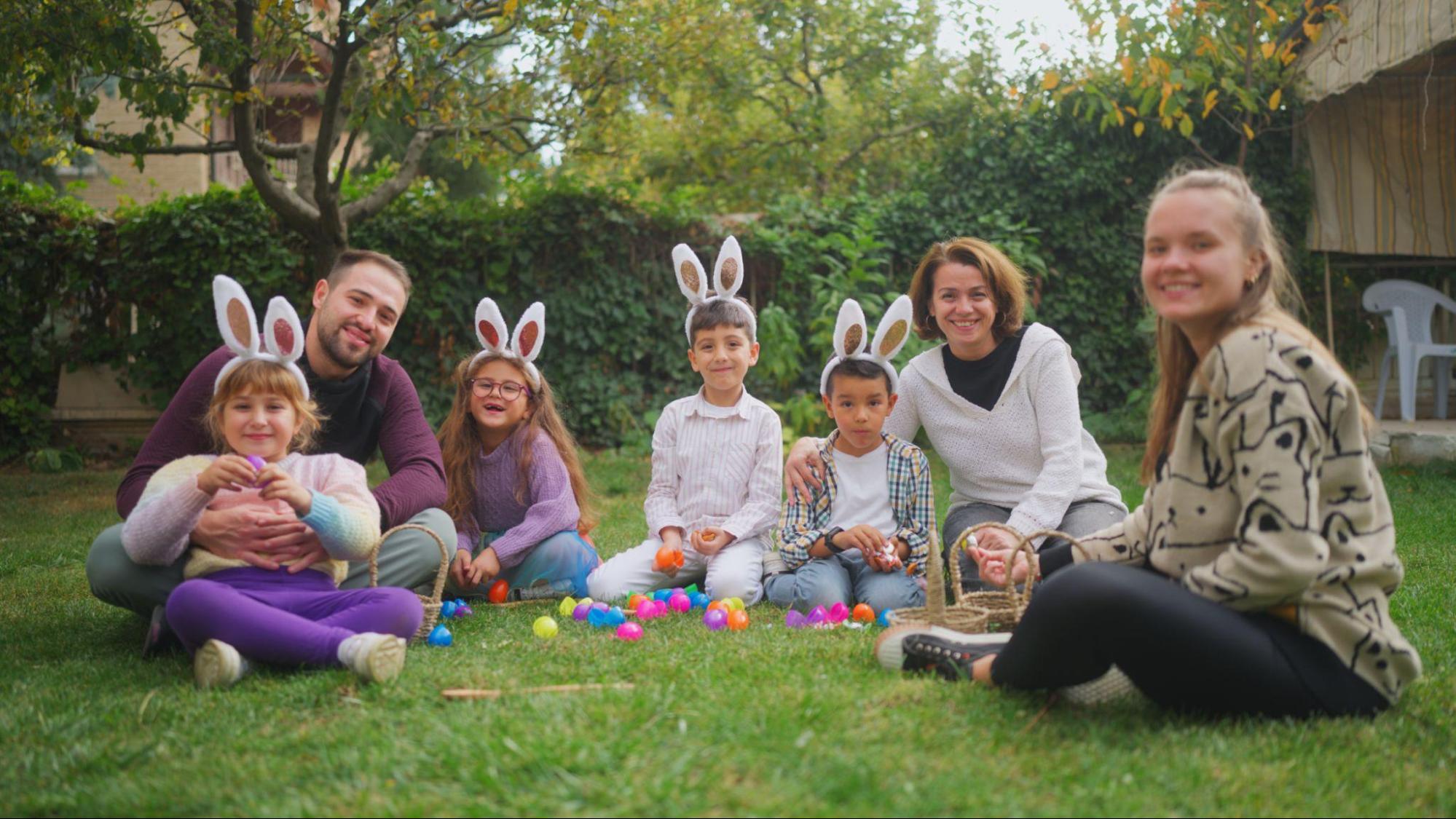
Fresh air makes a big difference. Garden or backyard photos are often brighter and more natural anyway.
Candid Moments
Photos of laughter, conversation, or kids playing often feel more genuine than posed shots.
Layered Group Poses
Tall family members in the back, seated guests in front, kids standing nearby. No squeezing required.
Many families end up preferring these photos once they try them.
How to Suggest a Different Pose Without Making It Awkward
Tone matters more than explanation.
Simple phrases work well:
- “Let’s try a relaxed group shot.”
- “The light outside is really nice, let’s go there.”
- “Let’s do a few styles, so we have options.”
- “Candid photos always look best.”
Framing it as a creative or aesthetic choice keeps things light.
When Elderly or Vulnerable Family Members Are Present
If grandparents or vulnerable loved ones are attending Easter, small changes can mean a lot.
Let them choose where they feel comfortable standing or sitting.
Avoid repeated close-contact poses.
Prioritize outdoor or spaced photos with them.
These choices are not about distance. They are about care.
Children and Easter Photos
Children love closeness and movement. They also tend to touch faces and forget personal space.
For photos:
- Place children slightly in front instead of face-to-face
- Use playful poses instead of leaning in
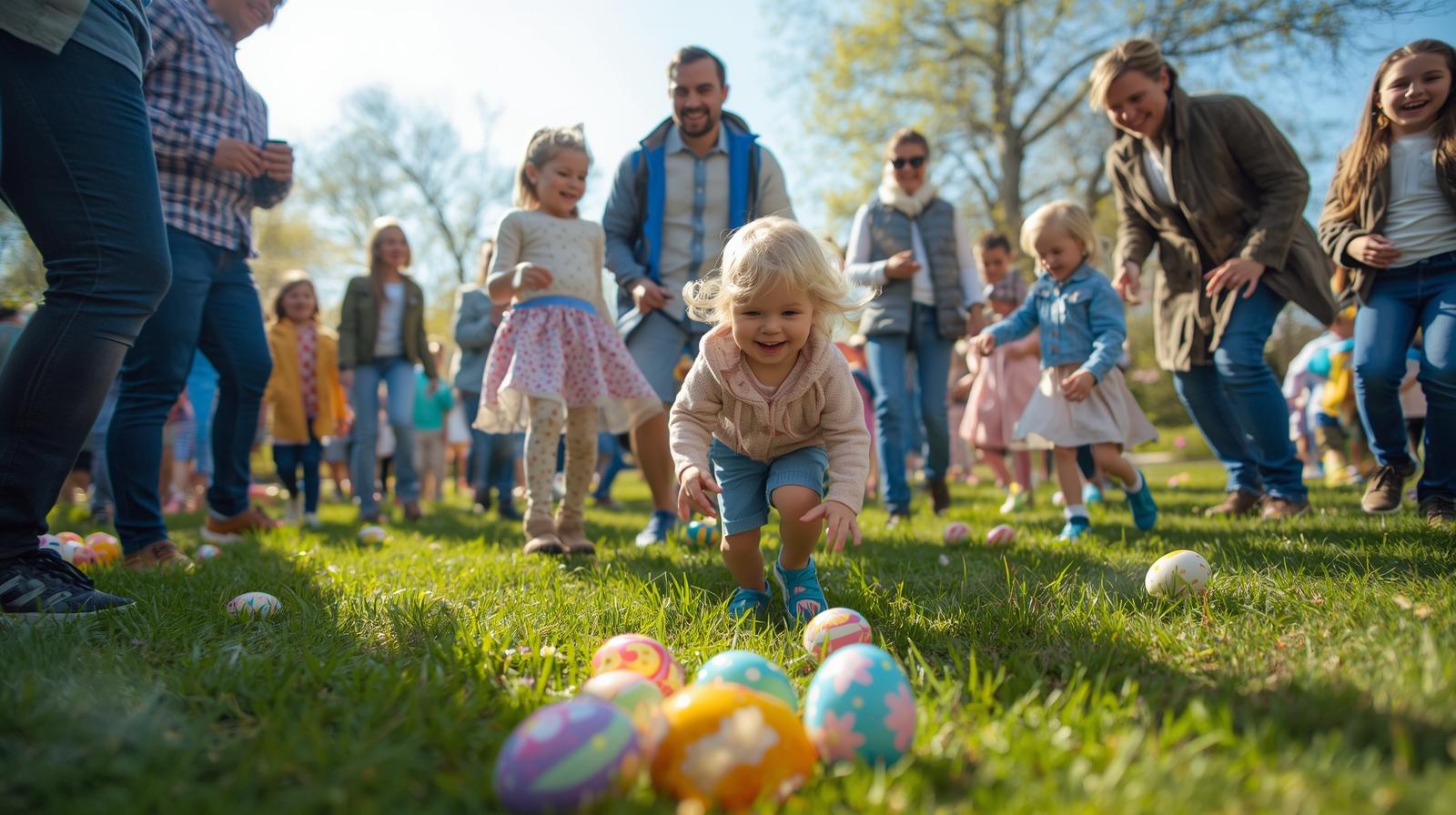
- Capture action shots during egg hunts or games
These moments are often the most meaningful anyway.
Because children often play close together and may not show symptoms right away, some families choose to schedule a professional head lice screening after busy holiday gatherings. Services like Head Lice Screening Services from LiceDoctors can offer peace of mind, especially after events involving group photos, egg hunts, and shared playtime.
Church and Community Easter Events
Easter events often include group photos for newsletters or social media.
Helpful approaches include:
- Taking several smaller group photos
- Encouraging relaxed spacing
- Using raised camera angles
- Normalizing opting out of photos
When organizers lead with consideration, everyone feels more comfortable.
Social Media and Photo Sharing
Another layer to consider is sharing photos online.
Not everyone feels comfortable being tagged or posted in close-contact photos. Asking before posting and respecting preferences helps extend care beyond the event itself.
Redefining Togetherness This Easter
Togetherness does not have to mean physical closeness.
It can look like:
- Laughing together
- Sharing food
- Playing with kids
- Listening and talking
- Respecting boundaries
When families expand their idea of connection, everyone benefits.
FAQ: Common Questions About Easter
What are some unique Easter photoshoot ideas?
Many families are moving away from stiff, posed photos and choosing more natural Easter photo ideas. Outdoor garden shots, candid moments during egg hunts, relaxed seated group photos, and side-by-side family portraits are popular options. These styles feel more genuine, allow people to stay comfortable, and still capture the warmth and joy of Easter gatherings without forcing close face-to-face poses.
How do families typically celebrate Easter together?
Easter celebrations usually include a mix of traditions such as attending church services, sharing meals, hosting egg hunts for children, and spending quality time with loved ones at home or outdoors. Taking photos is often part of these moments, especially during meals or after church, which is why being mindful of how photos are taken can help everyone enjoy the celebration comfortably.
Why do we eat eggs at Easter?
Eggs have long been a symbol of new life, renewal, and fresh beginnings, which closely aligns with the meaning of Easter. Over time, decorating, hunting, and eating eggs became a tradition that represents hope and joy. Today, eggs are both a cultural symbol and a fun way for families, especially children, to celebrate the holiday together.
What are some fun Easter activities for adults?
Easter activities for adults often focus on relaxed connection rather than structured events. Many enjoy Easter brunches, cooking together, casual outdoor games, garden walks, or simply sitting and talking with family and friends. These slower, shared moments often create the most meaningful memories and naturally lend themselves to candid, heartfelt photos.
Final Thoughts
Easter is about renewal, hope, and love. Those values show up not only in what we celebrate, but in how we care for one another, especially in small, everyday moments.
You can still gather.
You can still take photos.
You can still create memories worth keeping.
By choosing thoughtful photo practices and being mindful of close head-to-head contact, families can protect both comfort and health. Simple awareness goes a long way in preventing common issues like head lice, which often spread during moments of closeness that seem harmless at the time.
If your family has concerns about head lice after holiday gatherings, the experts at LiceDoctors are available to help. With professional, in-home treatment and trusted guidance, parents can focus on what matters most: enjoying time together and moving forward with peace of mind.
Those are the moments that truly last.