.svg)
.svg)



When the weather cools down and cozy season rolls in, families naturally start spending more time indoors. Kids swap playgrounds for classrooms, sleepovers, movie nights, and after-school activities. Scarves come out. Hoodies get shared. Hats get tossed into communal cubbies.
And somewhere along the way, a familiar worry pops up.
“Is this lice season?”
It’s a common question, and a reasonable one. Many parents assume head lice are a summer problem or that cold weather somehow keeps them away. The truth sits somewhere in the middle. Lice don’t care about seasons, temperatures, or holidays. They care about head-to-head contact, which just happens more often when people bundle up and gather indoors.
The good news? The cozy season doesn’t have to turn into lice season.
With the right information and a few simple prevention habits, families can move through fall and winter confidently and comfortably. At LiceDoctors, we’ve treated thousands of families across the country, and we know what actually works when it comes to prevention.
Does Lice Really Have a “Season”?
Short answer: not really.
Longer answer: lice don’t follow the calendar, but human behavior does.
Head lice live on the human scalp and survive by feeding on blood. They don’t live in the environment long, and they can’t jump, fly, or crawl across rooms. Almost all lice spread happens through direct head-to-head contact.
That means lice are more likely to spread when:
- Kids sit close together
- Heads touch during play or learning
- Hats, helmets, or headphones get shared
- People gather indoors for long periods
Fall and winter naturally create more of these situations. Schools are in full swing. Kids cluster around desks and tables. Sports move indoors. Families attend parties, playdates, and sleepovers.
So while lice don’t prefer cold weather, they do benefit from the routines that come with cozy seasons.
Why Fall and Winter Can Increase Lice Risk
Understanding the “why” behind lice spread helps prevention feel logical instead of overwhelming.
More Time Indoors
Cold weather pushes activities inside. Classrooms, daycare rooms, gymnasiums, and living rooms all bring kids closer together than outdoor play ever does.
Even small moments matter. Leaning in to look at a book. Sitting shoulder-to-shoulder during story time. Watching a movie with friends.
These are normal, healthy social interactions. They’re also the most common way lice spread.
Shared Clothing and Accessories
When temperatures drop, kids start wearing:
- Hats
- Beanies
- Scarves
- Hoodies
- Coats with shared hooks or bins
While lice spread primarily through head contact, sharing items that touch the head can occasionally contribute, especially if items are worn back-to-back.
School Routines
Schools are one of the most common places parents first hear about lice, not because schools are dirty, but because they’re social hubs.
Kids are learning, playing, whispering, laughing, and collaborating. Heads naturally come close together. That’s just childhood.

Let’s Clear Up a Few Lice Myths
Before we talk about prevention, it helps to address some common misconceptions that cause unnecessary stress.
Myth: Lice Prefer Dirty Hair
Not true.
Lice don’t care if hair is clean, dirty, thick, thin, straight, curly, or chemically treated. They’re equal-opportunity parasites.
In fact, lice often prefer clean hair because it’s easier to grip.
Myth: Cold Weather Kills Lice
Also false.
Lice live on the scalp, where body heat keeps them comfortable year-round. Winter temperatures don’t affect them unless they’re off the head for extended periods, which is rare.
Myth: Lice Mean Poor Hygiene or Bad Parenting
This one causes the most harm.
Lice infestations happen to families of every background. They don’t reflect cleanliness, parenting quality, or household care. They reflect one thing: close human contact.
That’s it.
The Real Goal: Smart, Calm Prevention
Lice prevention doesn’t mean constant checking, daily anxiety, or isolating your child. It means being aware, prepared, and consistent.
Here’s what actually helps.
Prevention Tip #1: Teach Kids About Personal Space (Without Fear)
You don’t need to scare kids or make lice sound like monsters. Simple, age-appropriate language works best.
For younger kids:
- “Try not to touch heads with friends.”
- “Everyone has their own hat and helmet.”
For older kids:
- Explain how lice spread
- Encourage independence with personal items
- Normalize speaking up if someone borrows their hat or headphones
This isn’t about being antisocial. It’s about understanding boundaries.
Prevention Tip #2: Avoid Sharing Head-Touching Items
This is one of the easiest habits to reinforce.
Encourage kids not to share:
- Hats and beanies
- Helmets
- Hair brushes or combs
- Headphones or earbuds
- Hair ties or clips
At home, give each child their own clearly labeled items. At school, talk through scenarios so kids know what to do if a friend asks to borrow something.
A simple “Sorry, my mom says I can’t share hats” is enough.
Prevention Tip #3: Use Preventive Hair Products
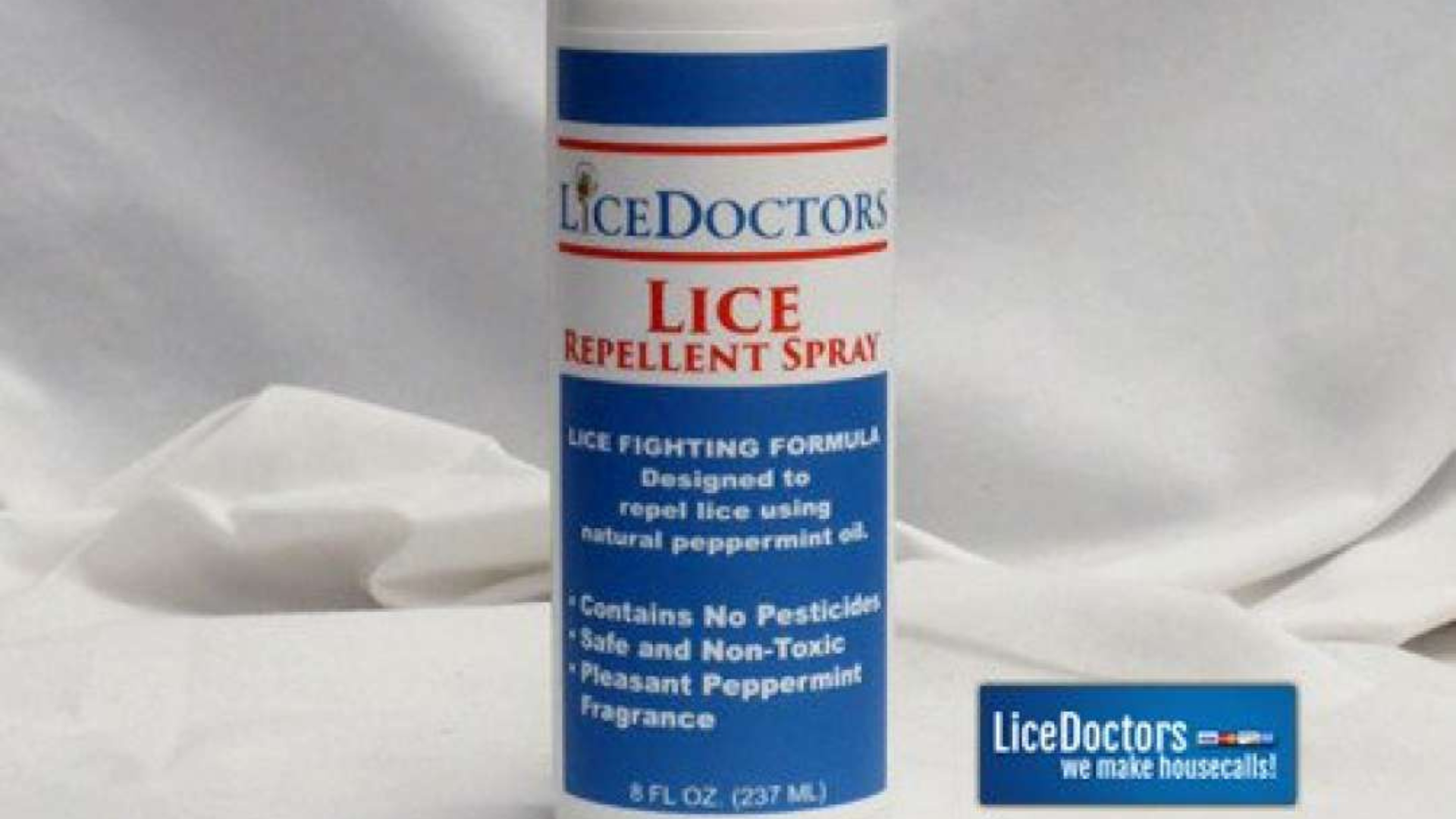
Preventive lice sprays and shampoos can be helpful, especially during the school year when kids spend more time close together. They’re an easy way to support everyday prevention without adding stress to your routine.
When choosing a preventive product, look for:
- Non-toxic, family-safe formulas
- Products designed specifically for lice prevention
- Something gentle enough for regular or daily use
For added peace of mind, some parents include a lice repellent spray for everyday prevention as part of their routine, especially before school, playdates, or sleepovers. Using a lice repellent spray consistently works best when combined with other simple habits like keeping hair tied back and avoiding shared hats or accessories.
Prevention Tip #4: Keep Hair Tied Back When Possible
Loose hair moves freely and comes into contact with other heads more easily.
Simple styles can reduce risk:
- Braids
- Ponytails
- Buns
- Low braids under hats or helmets
This is especially helpful during school, sports, and group activities.
Prevention Tip #5: Do Regular, Low-Stress Checks
You don’t need to check every day. You don’t need a magnifying glass and bright lights every night.
But routine checks help catch lice early, when treatment is easier.
A good rhythm:
- Once a week during the school year
- After sleepovers
- If you hear about lice at school
- If your child complains of itching
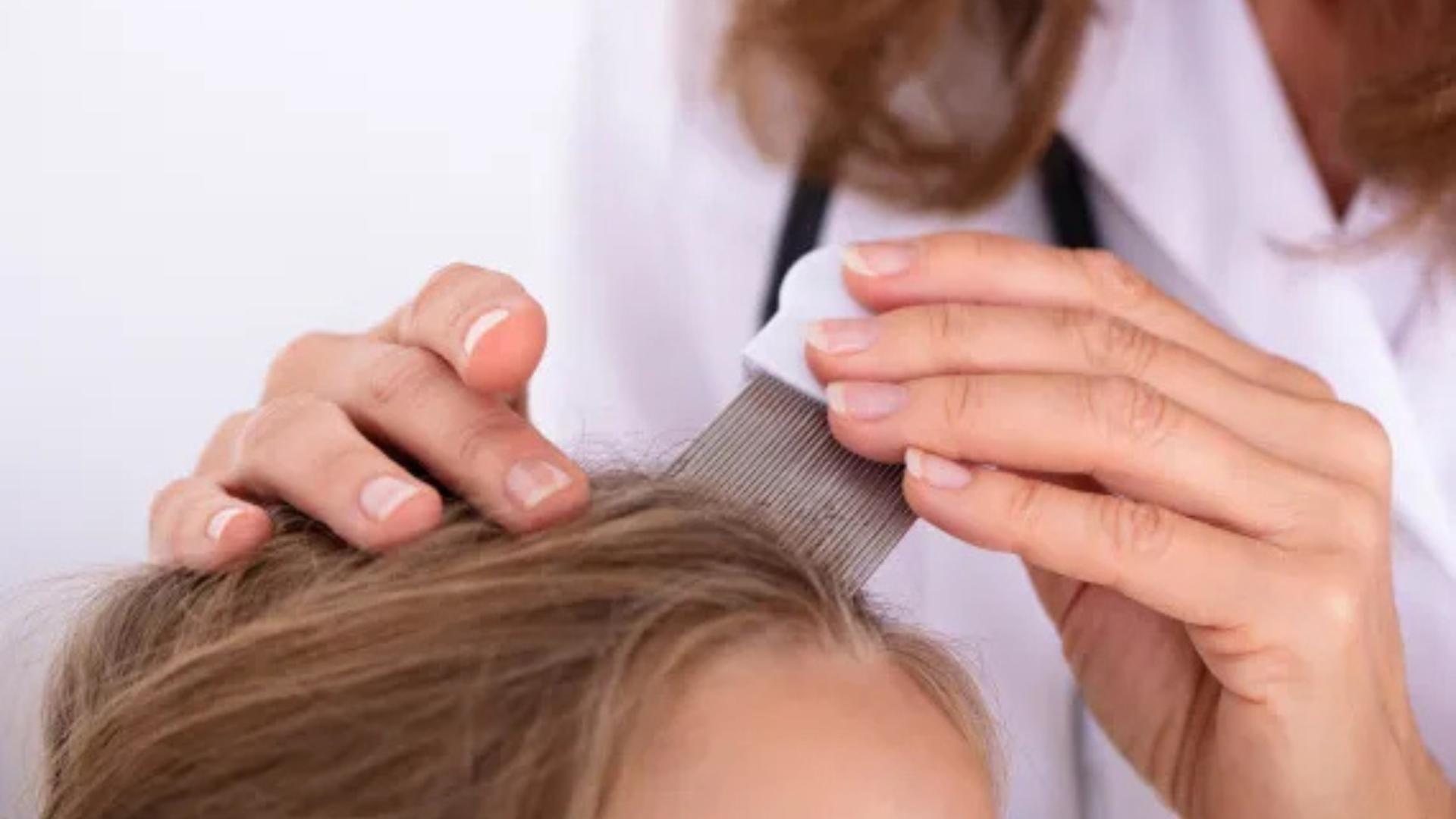
Use a fine-tooth lice comb on damp hair and check near the scalp, especially behind the ears and at the nape of the neck.
Early detection makes a big difference.
What About School Lice Notices?
Getting a lice notice can trigger instant panic. Take a breath.
A notice doesn’t mean your child has lice. It means someone in the school community did, and the school is doing its job by informing families.
What to do:
- Check your child’s hair calmly
- Continue prevention habits
- Avoid over-treating “just in case”
Overuse of lice treatments can irritate the scalp and isn’t necessary unless lice are actually present.
Cozy Season Activities That Increase Risk (and How to Handle Them)
You don’t need to cancel fun to prevent lice. Awareness is enough.
Sleepovers
Sleepovers don’t automatically mean lice, but they do involve close contact.
Helpful tips:
- Send your child with their own pillow or sleeping bag
- Encourage hair to be tied back
- Do a quick check afterward
Indoor Sports and Clubs
Helmets, headgear, and close seating can increase risk.
If possible:
- Label helmets
- Avoid sharing gear
- Keep hair secured
Family Gatherings
Cousins, friends, and group photos often mean kids clustered together.
This is normal. Just reinforce personal items and check hair afterward if needed.
If You Do Find Lice, You’re Not Alone
Even with great prevention, lice can still happen. That doesn’t mean you did something wrong.
What matters is how quickly and correctly it’s handled.
Many families try over-the-counter treatments first and end up frustrated. Some products don’t kill lice effectively, and others leave eggs behind, leading to reinfestation.
That’s where professional treatment can make a difference.
How LiceDoctors Helps Families
LiceDoctors is a physician-directed, nationwide lice treatment service with years of experience treating head lice safely and effectively.
Our trained clinicians:
- Provide in-home treatment
- Use proven, non-toxic methods
- Remove lice and eggs thoroughly
- Educate families on prevention
- Offer support without judgment
We don’t believe in scare tactics. We believe in calm, expert care that works the first time.
For many families, knowing professional help is available brings real peace of mind, especially during busy school months.
Cozy Season Should Feel Calm, Not Stressful
Fall and winter are meant for:
- Hot chocolate
- Family movie nights
- School traditions
- Holidays and togetherness
Lice don’t need to steal that joy.
With simple habits, honest conversations, and reliable information, families can move through the cozy season confidently. Prevention isn’t about control. It’s about awareness and consistency.
And if lice do show up? You’ll know exactly what to do.
Because the cozy season should stay cozy.
Final Takeaway: Cozy Season Can Stay Cozy
Head lice don’t follow the calendar, but our routines do. Fall and winter bring more time indoors, closer contact at school, and cozy layers like hats and scarves, all normal parts of the season.
The good news is this: prevention doesn’t have to be stressful.
A few simple habits, a calm approach, and consistent awareness go a long way. When we focus on facts instead of myths, lice prevention becomes manageable, not overwhelming.
Whether you’re a parent navigating school routines for the first time or heading into yet another busy fall, you’re doing better than you think. And if lice ever do show up, professional help is always an option.
At LiceDoctors, we’re here to help families keep the cozy season exactly that — cozy. If lice ever become a concern, you can book an in-home treatment with our experienced clinicians for fast, reliable help.