
.svg)
.svg)



Spring is a season many families look forward to. Warmer weather, blooming flowers, outdoor sports, and more time spent outside make it one of the most enjoyable times of the year. But along with the beauty of spring also comes something far less welcome—itchiness.
When a child starts scratching their head during springtime, parents often wonder: Is this seasonal allergies, or could it be head lice?
It’s a common question, and understandably so. Both allergies and lice can cause persistent itching, especially around the scalp. However, the causes, symptoms, and treatments differ significantly.
Understanding the difference between allergy-related itching and head lice infestation can help you respond quickly and confidently. In this guide, we’ll break down the key differences, how to identify each condition, and when it’s time to seek professional help.
Why Itchy Scalps Are Common in Spring
Springtime brings increased exposure to pollen, grasses, mold spores, and other environmental allergens. These irritants can trigger allergic reactions in both children and adults.
At the same time, spring also means:
- Kids returning to sports and group activities
- More playdates and sleepovers
- Increased close contact at school
These situations create the perfect opportunity for head lice to spread through head-to-head contact.
Because both allergies and lice are more noticeable during spring, their symptoms can easily be confused.
Quick Differences Between Allergies and Lice
When a child suddenly starts scratching their head, many parents wonder whether the cause might be seasonal allergies or head lice. While both can lead to itching, the symptoms usually appear in different ways.
Here is a quick overview to help you tell the difference.
Allergies typically cause:
- Itchy scalp along with itchy eyes or nose
- Sneezing or nasal congestion
- Symptoms that worsen during high pollen days
- General irritation, rather than itching, focused on the scalp
Head lice usually cause:
- Persistent itching on the scalp
- A tickling or crawling sensation in the hair
- Visible lice or tiny eggs (nits) attached to hair shafts
- Irritation mainly around the scalp, neck, and behind the ears
While allergies occur when the body reacts to environmental triggers like pollen, head lice are tiny insects that live on the scalp and feed on small amounts of blood.
Recognizing these differences can help families decide whether the itching is likely related to seasonal allergies or a possible lice infestation.
What Causes Seasonal Allergy Itching?
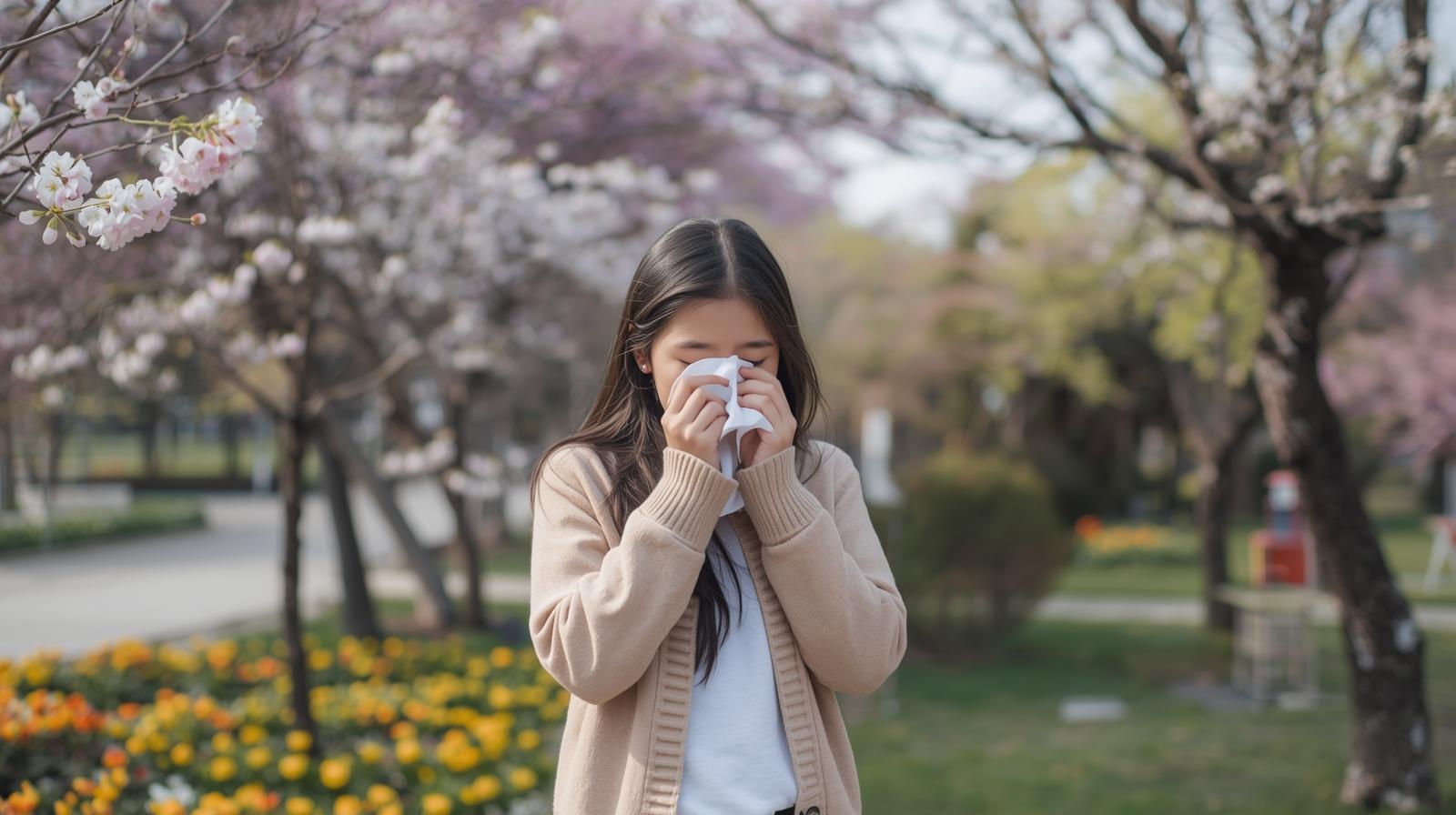
Seasonal allergies, also known as hay fever or allergic rhinitis, occur when the immune system responds to airborne allergens such as pollen or mold. During spring, these allergens become much more common, which is why many people suddenly begin experiencing symptoms.
Some of the most common spring allergens include:
- Tree pollen
- Grass pollen
- Mold spores
- Dust and other particles carried by seasonal winds
When these allergens enter the body, the immune system releases chemicals called histamines. Histamines are responsible for many allergy symptoms, including itching, swelling, and irritation.
Most people associate seasonal allergies with sneezing, watery eyes, and a runny nose, but allergies can also cause itchiness on the scalp and skin. Because of this, it can sometimes be confusing for parents trying to determine whether their child is experiencing allergies or something else, such as head lice.
Common Allergy Symptoms
If seasonal allergies are the cause of the itching, you may notice other symptoms appearing at the same time, including:
- Frequent sneezing
- A runny or congested nose
- Watery, red, or itchy eyes
- A scratchy or irritated throat
- Mild scalp irritation or skin itching
Unlike lice-related itching, allergy symptoms often come and go depending on pollen levels in the environment. They may also improve after taking antihistamines or other allergy medications recommended by a healthcare provider.
What Causes Head Lice?
Head lice are tiny parasitic insects that live on the human scalp. They feed on small amounts of blood several times a day and lay eggs (called nits) near the base of hair shafts.
Lice are not related to hygiene and can affect anyone, regardless of how clean their hair is.
They spread mainly through:
- Direct head-to-head contact
- Sharing brushes or hair accessories
- Close play among children
- Sleepovers or group activities
Because lice move quickly and hide well in hair, they can sometimes go unnoticed until itching begins.
Key Signs That It Might Be Head Lice
Unlike allergic itching, lice often cause very specific scalp symptoms.
Persistent Scalp Itching
The most common sign of lice is itching caused by a reaction to lice bites. This itching often becomes more noticeable at night.
Tickling or Crawling Sensation
Some people describe the feeling of lice moving in their hair as a tickling or crawling sensation on the scalp.
Small Red Bumps or Irritation
Repeated scratching can lead to small red bumps or sores on the scalp.
Nits (Lice Eggs)
Nits appear as tiny oval-shaped eggs attached firmly to hair strands near the scalp. They are often confused with dandruff, but they cannot be easily brushed away.
Lice on the Scalp
Adult lice are about the size of a sesame seed and may be seen moving through the hair.
How Allergy Itching Feels Different from Lice
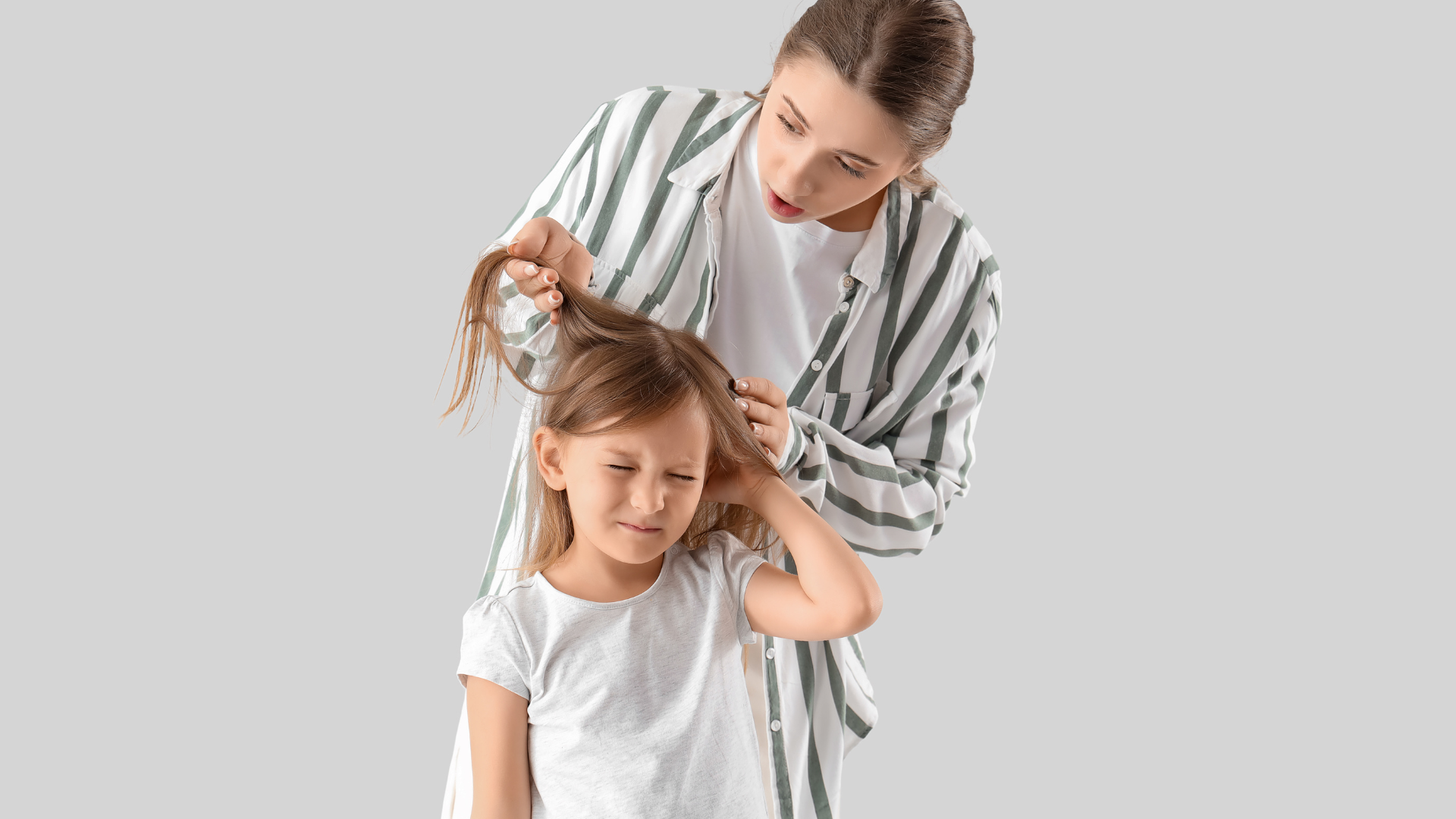
Understanding how the itching feels can offer important clues about what’s causing the discomfort. While both allergies and lice can make the scalp itchy, the type of itching and where it occurs can be quite different.
Allergy Itching
When allergies are the cause, the itching usually feels more generalized. It may affect the scalp but can also appear on other parts of the body.
Allergy-related itching is often:
- Spread across the scalp or skin rather than in one specific area
- Mild to moderate in intensity
- Accompanied by other allergy symptoms like sneezing, watery eyes, or a runny nose
- Temporarily relieved with antihistamines or allergy medication
Because allergies affect the body’s immune response, the itching tends to come and go depending on exposure to allergens like pollen.
Lice Itching
Lice-related itching usually feels more focused and persistent because it’s caused by bites on the scalp.
Common characteristics include:
- Itching concentrated mainly on the scalp
- A persistent or intense urge to scratch
- Increased irritation behind the ears and at the back of the neck
- The presence of tiny eggs (nits) attached to hair strands or visible lice moving through the hair
If the itching continues even after allergy treatments or medications, it may be a good idea to check the scalp closely for lice or nits.
Where to Look for Lice
If you suspect lice, taking a closer look at the scalp can help confirm whether they are present. Start by checking a few areas where lice are most commonly found.
These spots include:
- Behind the ears
- The nape of the neck
- Along the hairline
- Around the crown of the head
Using a fine-tooth lice comb and bright lighting can make the inspection much easier. Gently part small sections of hair as you examine the scalp carefully.
Even if you do not immediately see live lice, the presence of nits (lice eggs) attached firmly to hair strands can be a strong sign of an infestation.
Why Lice Are Often Mistaken for Allergies
Many parents first assume that seasonal allergies are causing their child’s itchy scalp, especially during the spring months. This is completely understandable, since allergy symptoms tend to appear around the same time children start spending more time outdoors.
Several factors make lice easy to confuse with allergies. For example, spring is peak allergy season, so itching is often blamed on pollen or other environmental triggers. Early lice infestations can also be difficult to notice because the insects are tiny and move quickly through the hair. In many cases, the first visible sign parents may see are nits, which can easily be mistaken for dandruff or small bits of debris in the hair.
Another reason the confusion happens is that children may not immediately mention that their head feels itchy. Some kids simply scratch without thinking much about it, while others may assume the irritation will go away on its own.
To make things even trickier, it’s also possible for a child to experience both seasonal allergies and head lice at the same time, which can make identifying the real cause of the itching more challenging.
What to Do If You Suspect Allergies
If you believe allergies are causing the itchiness, start by observing whether other symptoms are present.
Helpful steps include:
- Monitoring pollen levels in your area
- Using antihistamines if recommended by a healthcare provider
- Washing hair and skin after outdoor activities
- Using allergy-friendly shampoos
If itching improves with allergy treatment, allergies are likely the cause.
What to Do If You Suspect Head Lice
If lice are the cause of the itching, taking action early can help prevent the infestation from spreading to other family members. The sooner lice are identified and treated, the easier it is to manage the situation.
Start with these simple steps:
- Carefully inspect the scalp and hair, especially behind the ears and at the nape of the neck
- Avoid sharing brushes, hats, pillows, or bedding
- Begin treatment as soon as lice are confirmed
- Check other household members for signs of lice
While many over-the-counter lice treatments are available, some families find that they don’t always work as expected due to increasing lice resistance.
For parents looking for reliable treatment options, LiceDoctors also offers professional-grade lice treatment products designed to help remove lice and nits safely and effectively at home.
These products are designed to support families who want an effective solution while managing lice treatment in the comfort of their own home.
Why Professional Lice Treatment Can Help
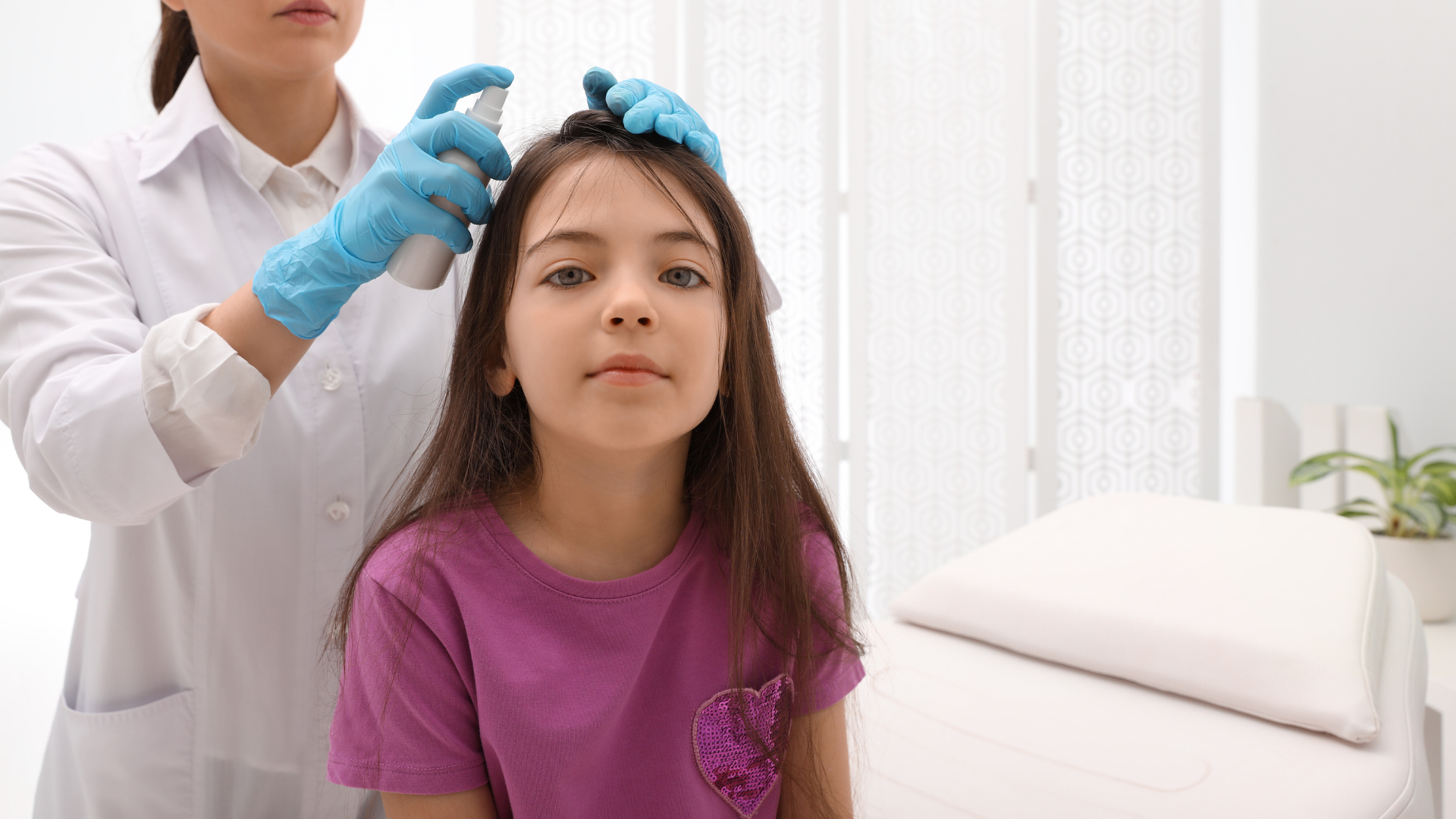
Professional lice removal services can provide a thorough and reliable solution for families dealing with infestations. While some parents attempt to manage lice at home, professional treatment can make the process faster and less stressful.
Experienced technicians are trained to:
- Accurately identify lice and nits
- Perform complete lice removal treatments
- Provide guidance for preventing reinfestation
- Reduce stress and uncertainty for parents
Professional services can often eliminate lice in a single treatment session, saving families time and frustration.
For families looking for expert help, services like LiceDoctors professional lice removal offer in-home treatment options performed by trained lice specialists who focus on safe and thorough removal.
Preventing Lice During Spring Activities
Although lice are common among school-aged children, simple precautions can reduce the risk.
Helpful prevention tips include:
- Avoiding head-to-head contact during play
- Keeping long hair tied back
- Not sharing brushes, hats, or helmets
- Performing regular scalp checks
Early detection makes treatment much easier.
Reassurance for Parents
Discovering that your child may have lice can feel overwhelming, but it is important to remember that lice infestations are extremely common and completely manageable.
Millions of families experience lice each year, especially during school seasons.
With the right approach and proper treatment, lice can be eliminated quickly and safely.
Final Thoughts: Identifying the Real Cause of the Spring Itch
Springtime itching can be confusing because allergies and head lice share similar symptoms. However, understanding the key differences can help families make the right decision.
If itching comes with sneezing, watery eyes, and seasonal patterns, allergies may be the cause. If itching is concentrated on the scalp and accompanied by visible nits or lice, a lice infestation is more likely.
Either way, identifying the cause early allows you to take action and keep your family comfortable and healthy.
If you ever feel unsure about what is causing the itching, professional lice specialists can provide the reassurance and treatment needed to resolve the problem quickly. Families who need expert help can reach out to the trained technicians at LiceDoctors, who specialize in safe and effective lice removal. Taking action early can make lice much easier to manage and help your family get back to enjoying the spring season.


