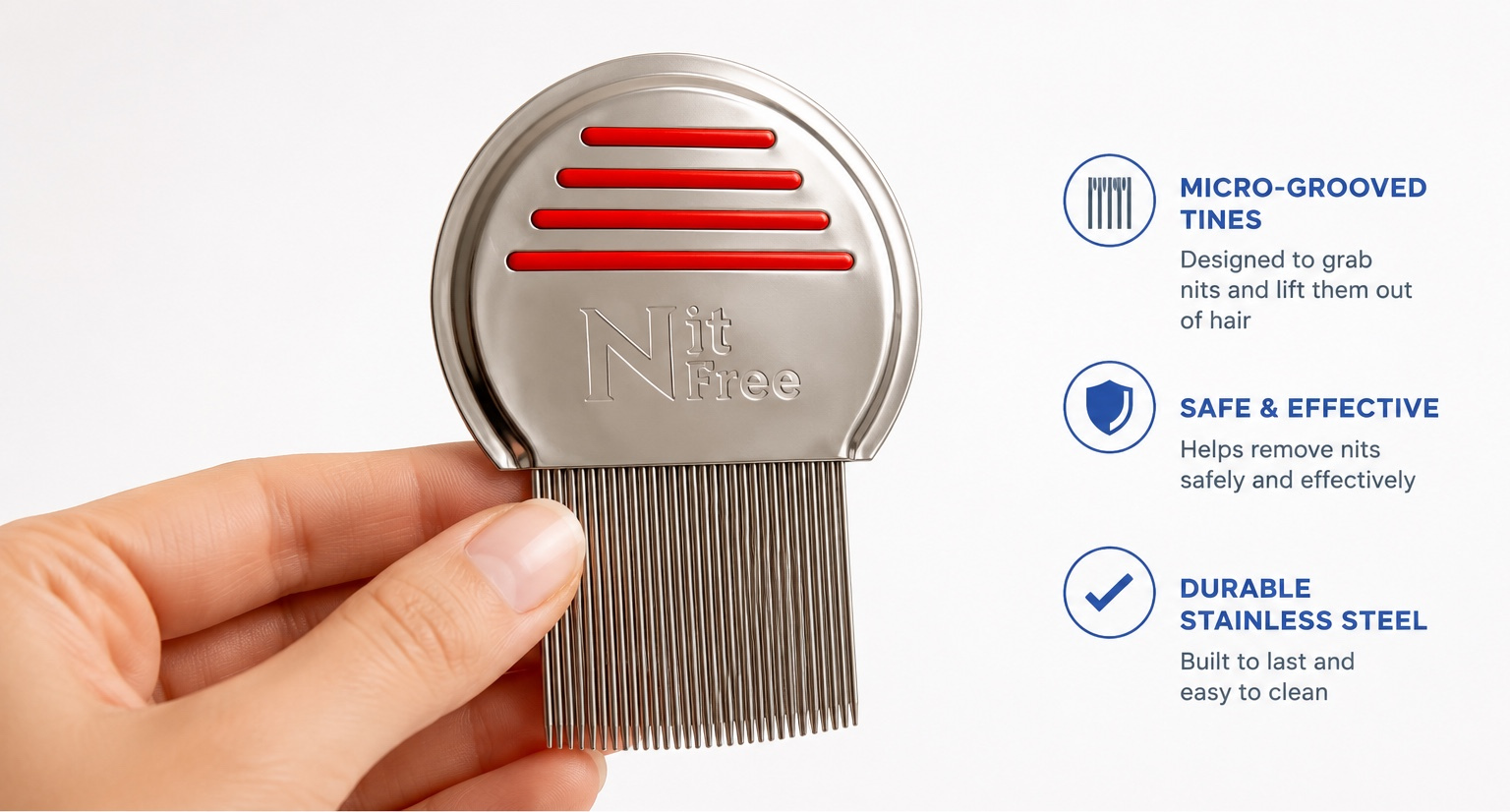
Head lice is a major problem for schools. It is the second leading cause of absenteeism with only the common cold being a greater cause. Each year at least 12 million kids miss days of school on account of lice. Schools can help to cut down the incidence of lice by sending home information to parents on ways to help prevent infestations. The National Pediculosis Association (NPA), an advocacy group in Newton, Massachusetts recommends that schools send parents a letter like the one below: "A case of head lice has been reported in your child’s group. Head lice continue to be one of the most prevalent communicable childhood diseases among children, and outbreaks are possible whenever and wherever children gather. Screen your child regularly and notify us immediately if head lice or their nits (lice eggs) are detected. (We welcome the opportunity to teach those of you who do not know how to check your child for head lice). Working together helps protect all of the children, including your own. Thank you for your cooperation." LiceDoctors advocates that schools send information packets home to families about head lice, what they look like, how lice are transmitted, and tips for lice prevention. We recommend that children go to school with spray or gel in their hair. This puts a barrier around the hair. In addition, children with long hair should wear their hair in styles such as a bun or braid that make it harder for the bugs to access the hair. The NPA stresses in its website that when educating parents, it is important to let them know, "No matter what you do...Be Sure You Provide a Non-Chemical Choice. Why? Because children of any age or size are vulnerable to the harmful effects of pesticides. They also often have pregnant or nursing mothers who should never be exposed to chemical treatments either by applying them to themselves or to others. Why? Because each of us has our own unique vulnerabilities. Pesticide products can accumulate in the human body and they are not necessarily washed away at the end of the treatment, as people would like to think. Why? Because the overuse of lice products can predispose a person to adverse reactions with even one additional chemical exposure. Why? Because it's not worth taking unnecessary risks when the bottom line will always be the manual removal of lice and nits. Why? Because none of the available chemical treatments are 100% effective and too many people are told to seek prescriptions after other treatments fail. Prescriptions become the most potentially harmful treatment of them all!" More details: http://www.headlice.org/special/whynochem.htm If you learn that your child has head lice, call us in North Carolina and an experienced lice professional will come to your home at your convenience. LiceDoctors will eradicate your head problem today!